Photo credit: janelled.james_/Instagram
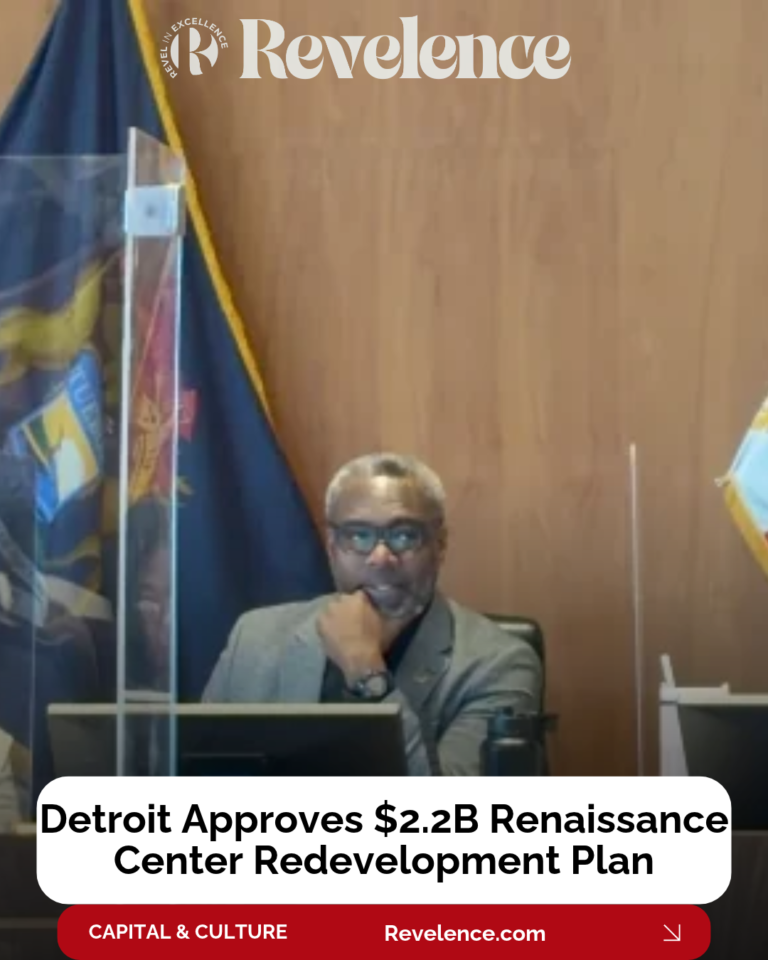
Detroit City Council has approved a $2.2 billion Renaissance Center redevelopment plan, advancing a major proposal to reshape the city’s riverfront and one of its most recognizable landmarks.
The 7-2 vote took place Tuesday, Nov. 24, following weeks of public debate and questions about the project’s financial structure, community benefits and long-term accountability.
The proposal, led by Bedrock and General Motors, has attracted support from construction workers and organized labor. However, some residents and public officials, including U.S. Rep. Rashida Tlaib, have questioned the public incentives and protections for Detroit communities.
The decision moves the redevelopment closer to implementation, although additional state approvals remain necessary.
Detroit approves major Renaissance Center transformation
The redevelopment plan would transform the Renaissance Center and surrounding East Riverfront into a mixed-use destination featuring housing, hotels, retail, entertainment and public spaces.
One of its most significant proposals involves removing two of the complex’s five towers. Developers also plan to redesign parts of the remaining property and improve connections between downtown Detroit and the riverfront.
The project includes approximately $2.2 billion in proposed investment. Bedrock and GM have presented the redevelopment as an opportunity to attract visitors, create employment and expand access to the waterfront.
According to project projections reported by WXYZ, the development could generate approximately 8,000 construction jobs and 2,700 permanent positions. The housing proposal also includes approximately 934 residential units, with at least 20% designated as affordable housing.
Labor unions support the redevelopment plan
Construction workers and labor representatives have supported the proposal, highlighting its potential employment opportunities.
Supporters argue that the project could create significant work for skilled tradespeople while bringing additional economic activity to downtown Detroit.
During public discussions, representatives of organized labor emphasized the importance of construction opportunities and the potential long-term benefits of redeveloping the property.
Some council members also supported the proposal because of its potential to attract tourism, expand entertainment options and create additional public spaces along the riverfront.
However, supporters and opponents have different expectations about how the project should deliver benefits to Detroit residents.
Rashida Tlaib questions public funding and accountability
Despite support from labor groups, the redevelopment has faced criticism over its proposed financial arrangements.
U.S. Rep. Rashida Tlaib joined residents who questioned the amount of public assistance involved and whether the community benefits agreement provides sufficient protections.
One major concern involves approximately $548 million in proposed public tax incentives. Critics have questioned why public resources should support a privately led redevelopment, particularly following Bedrock founder Dan Gilbert’s reported $1 billion commitment toward the project.
Tlaib also called for stronger written commitments concerning employment opportunities and community benefits.
Other opponents raised questions about whether residents would have enough influence over decisions affecting the riverfront and surrounding neighborhoods.
Council members Gabriela Santiago-Romero and Denzel McCampbell voted against the proposal. Both expressed concerns about the process and whether the agreements contained sufficient enforcement measures.
McCampbell also questioned whether the proposed community commitments provided adequate accountability for developers.
Community benefits remain central to the debate
The community benefits agreement is another major part of the redevelopment discussion.
The package includes commitments involving affordable housing, small-business support, workforce development and public spaces.
According to CBS News Detroit, the Neighborhood Advisory Council signed a letter supporting the agreement before the City Council vote.
However, questions about enforcement and community representation remain part of the broader discussion.
Supporters believe the agreement provides meaningful investments for Detroit neighborhoods. Critics want stronger guarantees that developers will fulfill their commitments and that residents will have a lasting voice in the process.
What happens next?
Although Detroit City Council approved the redevelopment proposal, the vote does not authorize immediate construction.
The project still requires additional state approvals, including approval of proposed tax incentives.
Bedrock and General Motors are targeting the second half of 2027 for the selective deconstruction of two Renaissance Center towers, subject to the necessary approvals.
The council’s decision represents an important development in Detroit’s plans for its riverfront. However, questions about public funding, affordable housing, employment opportunities and community accountability will remain important as the proposal moves forward.
For Detroit residents, the next stage will involve watching how developers and public officials translate the project’s promises into measurable community benefits.
View this post on Instagram
About the Author