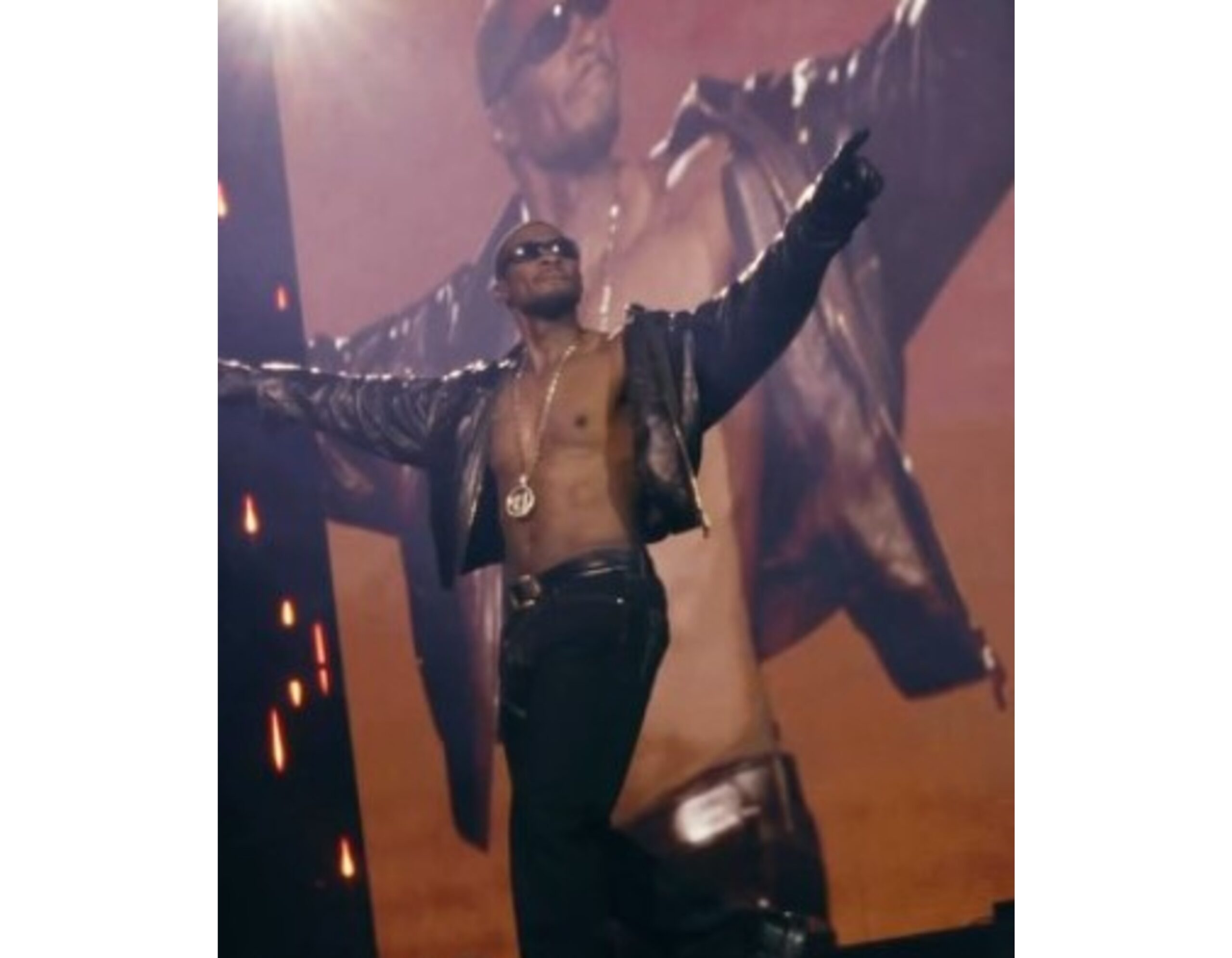
Photo credit: Usher (Instagram)
Usher responds viral Nashville fan moment with characteristic wit and self-awareness at his very next tour stop. The R&B icon addressed what had become one of the most widely circulated concert clips of the summer before inviting another fan onstage. He warned the crowd with humor that they should not come up if they do not want to be there, drawing immediate laughs from the audience. Moreover, the joke landed as a direct acknowledgment of the Nashville clip without dwelling on it or assigning blame to anyone involved. Furthermore, his ability to find levity in a moment that had generated significant online debate showed the kind of crowd intelligence that has defined his stage presence for decades. Consequently, the follow-up moment went viral in its own right as fans appreciated his handling of the situation.
The original clip from Nashville had spread rapidly across social media after Usher leaned over a seated fan onstage and she appeared reserved and unmoved by his signature serenade style. He backed off, told the crowd she did not seem to want to be onstage, and ended the interaction. Moreover, that clip generated intense debate about fan expectations, performer boundaries, and concert culture broadly. Additionally, viewers roasted the woman in question while others defended her right to respond authentically in the moment. Consequently, what began as a single concert interaction became a days-long conversation across platforms about what audiences owe performers and what performers owe their audiences in live interactive settings.
Gabrielle Cheyenne reveals she came for Chris Brown
The woman at the center of the viral Nashville moment, Gabrielle Cheyenne, added important context to the story with her own public response. She said she attended the show primarily to see Chris Brown rather than Usher. Usher and Brown are currently on tour together. Moreover, she was not told she would be selected for an onstage moment and did not know which performer she would be joining when Usher’s team chose her from the crowd. Furthermore, her revelation reframed the entire clip for many viewers who had assumed she was a dedicated Usher fan who failed to appreciate the moment. Consequently, the detail shifted the conversation significantly and generated sympathy among those who recognized how unprepared she was for the interaction.
Gabrielle also clarified that she did not decline to go onstage and had no issue with being visible on the venue’s jumbotrons during the performance. Moreover, she pushed back against the suggestion that she owed a more enthusiastic reaction to Usher in front of thousands of people. Additionally, she noted that her quiet demeanor reflected her personality rather than any disrespect toward the performer. Consequently, her full account gave both Usher and Gabrielle a more complete and humanizing treatment than the isolated clip alone had provided to the millions who watched it.
View this post on Instagram
What the moment sparked about concert culture and fan consent
The Usher Nashville exchange ignited a broader conversation that extended well beyond the specific individuals involved. Social media users debated what fans selected for onstage moments owe the artist in terms of participation and energy. Moreover, others raised questions about whether performers should have clearer consent protocols before pulling audience members into physically intimate stagecraft moments. Furthermore, the conversation connected to longer-standing discussions about the parasocial dynamics between fans and celebrities and what happens when those dynamics play out live in front of tens of thousands of people. Consequently, a concert clip became a cultural discussion about boundaries, expectations, and the unspoken contracts that exist between performers and their audiences.
Usher’s own handling of both moments reflected a performer who takes his audience’s experience seriously. He read the room in Nashville and stepped back rather than pushing the interaction further. Moreover, his joke at the next tour stop demonstrated awareness of the public conversation rather than dismissal of it. Additionally, neither response was defensive or critical of Gabrielle, which allowed both parties to emerge from the situation without lasting damage to their public images. Consequently, the way Usher navigated the aftermath became nearly as widely discussed as the original clip.
Why this moment resonated far beyond Usher’s fanbase
The Usher Nashville fan interaction resonated with audiences who had no prior investment in Usher’s concerts or career specifically. The scenario it presented, of a person caught in an unexpected public moment without preparation or full information, is universally relatable. Moreover, the split in public reaction reflected deeper tensions about gender, performance expectations, and the pressure people face to perform enthusiasm on command in public settings. Furthermore, Gabrielle’s revelation that she was primarily a Chris Brown fan at a co-headlining show added a layer of practical reality that many concert-goers immediately recognized from their own experiences of being present for a performer they were less invested in. Consequently, the story’s reach extended across demographics and fandoms that would not normally engage with either artist’s concert news.
The conversation is likely to prompt some performers to reconsider how their teams select audience members for onstage interactions. Moreover, giving selected fans advance warning about the nature of the experience and which performer will be involved represents a straightforward adjustment that could prevent similar situations in the future. Additionally, the way Usher handled both the original moment and the public fallout provides a model for how performers can acknowledge real-world complexity while maintaining their stage presence and relationship with their broader audience. Consequently, the viral Nashville fan moment will likely be referenced in discussions about live concert culture and performer-audience dynamics for some time to come.
Source: theGrio
About the Author