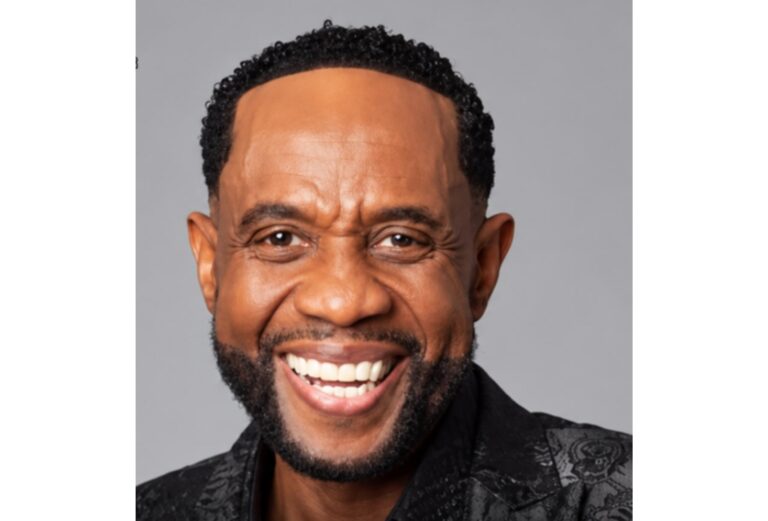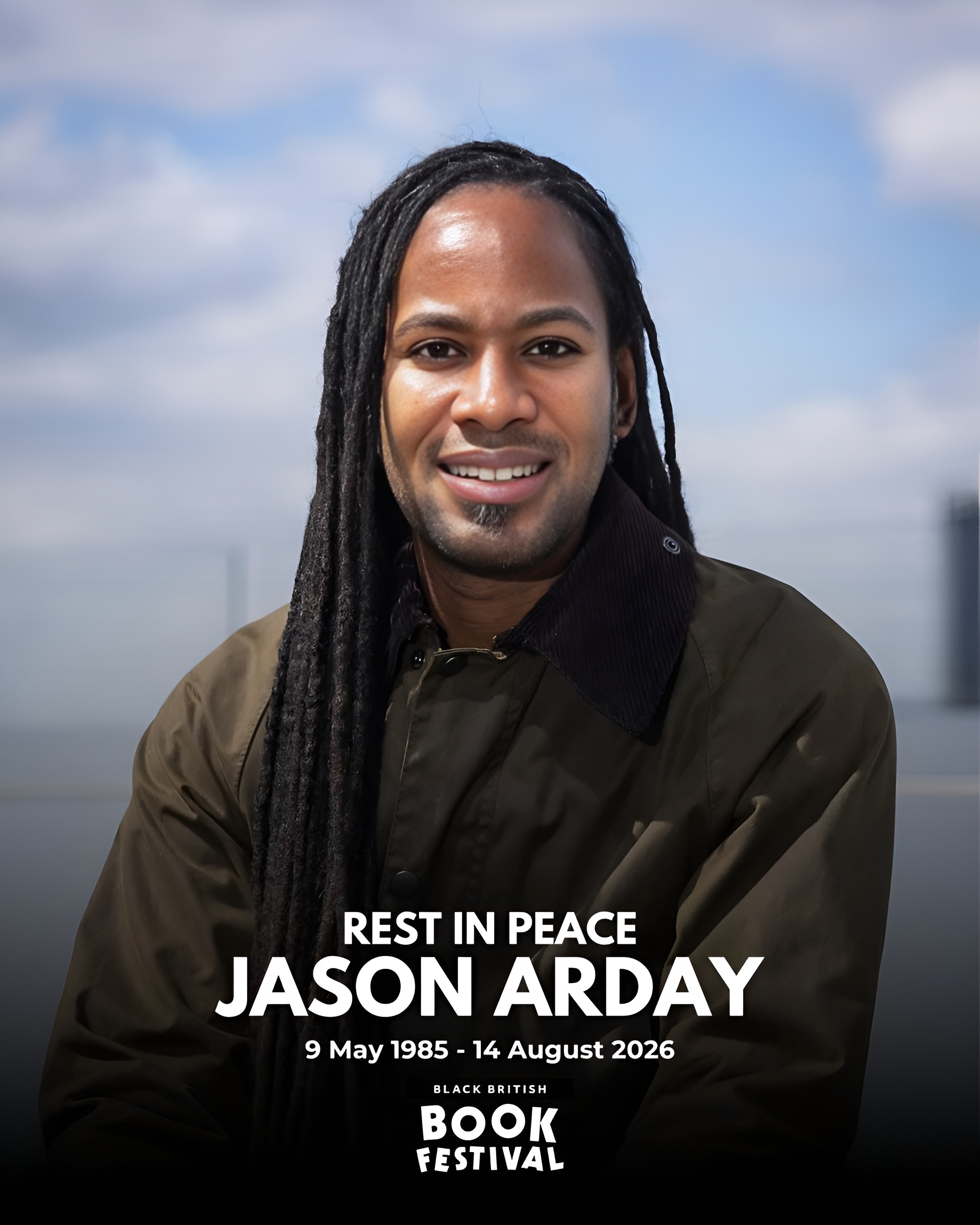
Photo credit: Jason Arday (X)
The family of Jason Arday, the Cambridge academic found dead Friday, described him as a gentle man. They said he endured sustained public abuse in the years following his historic appointment. Their statement, released through publisher Simon and Schuster UK, added new detail to the days leading up to his death. It also sparked wider reaction from public figures and colleagues.
A family speaks out
Arday, 41, became Cambridge’s youngest ever Black professor. He had built a well known public profile before a sharp reversal last month. Questions about his academic record and personal claims triggered intense scrutiny at that time. His family said he faced a sustained campaign of abuse for more than three years. They described a pattern of misinformation that ultimately became too much for him to bear. They called him an amazing father, partner, brother, uncle and son. They also asked the press to stop what they described as ongoing harassment directed at Arday and his relatives.
British Prime Minister Andy Burnham called the death a tragedy on many levels. He urged people to treat the moment as one for reflection rather than judgment. London Mayor Sadiq Khan described Arday as the victim of a public shaming. Khan said Arday faced an unacceptable campaign of abuse that other people in his position would not have encountered.
Growing scrutiny before his resignation
Cambridge University initially defended Arday as questions mounted. Support from the institution eventually waned. The university launched an internal inquiry earlier this month. Officials said Arday could remain in his post during the review. He chose to resign immediately once the investigation became public.
Arday published an open resignation letter through the Good Law Project in early August. In it, he acknowledged the toll the scrutiny had taken. He wrote that the criticism had gone far beyond ordinary academic disagreement. He described relentless accusations and public commentary that deeply affected him and the people close to him.
Friends describe his final days
Simon Baron-Cohen, a Cambridge based clinical psychologist, said Arday’s mental health had visibly declined as the allegations continued. He described Arday as an incredibly kind and generous man. He said the public portrayal did not reflect who Arday actually was. Baron-Cohen said he remained in contact with Arday after his resignation. He received a final message from him the morning of his death.
Other friends and colleagues echoed similar concerns in the days that followed. Several described Arday as withdrawn and struggling in the weeks before he died. One friend recalled that Arday had described feeling destroyed by the ongoing coverage.
A wider conversation about media treatment
Daniel Kebede of the National Education Union said Arday underwent a public and brutal takedown. He linked that treatment to racism within parts of the British media. Jo Grady of the University and College Union called the level of harassment Arday faced sickening. She said it warranted further investigation. Several commentators noted that Arday’s case drew far more sustained media attention than other academics who had previously faced plagiarism allegations. They raised questions about why his situation became a front page story across multiple outlets for days at a time.
Liverpool John Moores University awarded Arday his doctorate in 2015. The university said it was saddened by his death. It reiterated that its own review had not found evidence of plagiarism in his dissertation.
As tributes continue, university leaders, lawmakers and public figures have called for a broader look. They want closer attention paid to how public scrutiny, particularly toward Black academics in prominent roles, is handled going forward.
About the Author