Moderna Cancer Vaccine Shows Promise in Late-Stage Trial

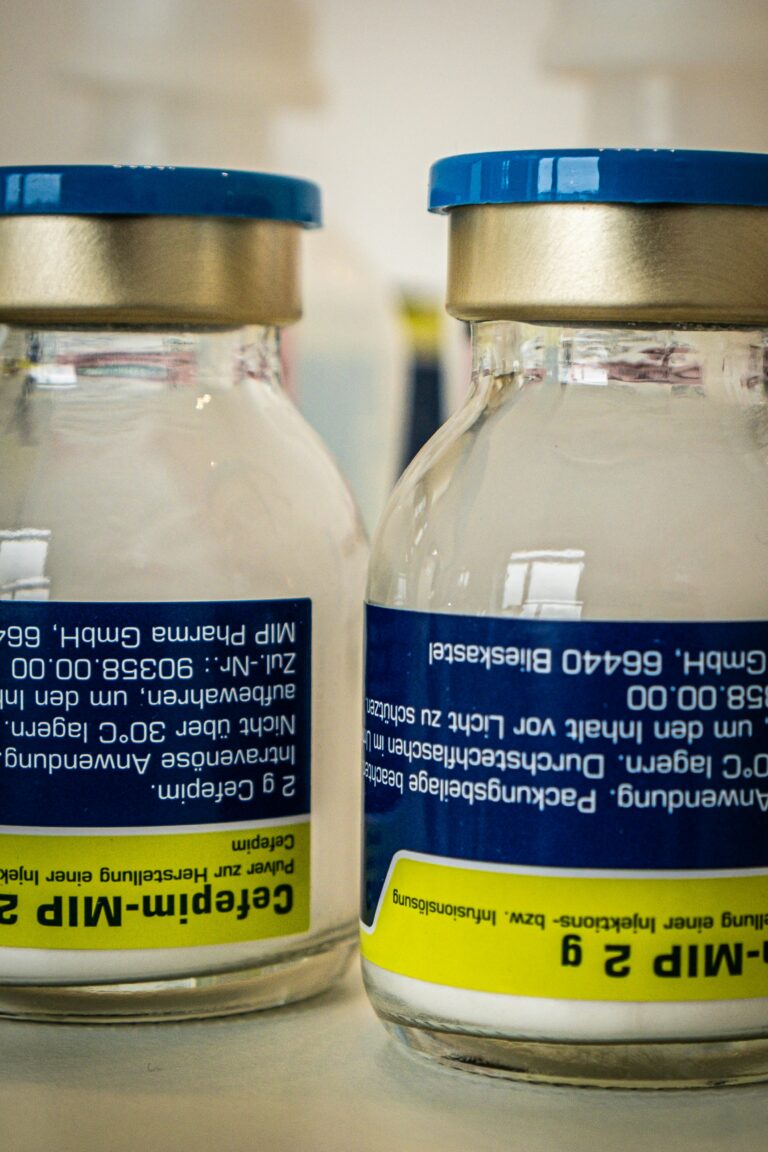
Photo by Ian Talmacs on Unsplash
The Moderna cancer vaccine has shown promising results in a late-stage trial for patients with high-risk melanoma. Moderna and Merck announced Wednesday that their personalized vaccine, used with Keytruda, met the main goal of the Phase 3 study.
The trial involved more than 1,100 patients with higher-risk or advanced melanoma. Doctors had already removed their detectable cancer through surgery.
The results could move the companies closer to seeking regulatory approval for the treatment.
Moderna cancer vaccine helps delay melanoma recurrence
The personalized vaccine was tested alongside Merck’s Keytruda immunotherapy. Researchers found that the combination significantly extended the amount of time patients lived without their melanoma returning.
The treatment also lowered the risk of melanoma spreading to distant parts of the body. However, researchers are still studying whether the combination can improve overall survival.
The Phase 3 trial will continue as the companies collect additional data. Merck and Moderna also plan to present the findings at an upcoming medical meeting.
How the personalized cancer vaccine works
Unlike traditional vaccines, the Moderna cancer vaccine is designed specifically for each patient’s tumor.
Cancer cells can contain different mutations from one patient to another. The vaccine aims to identify those unique mutations and help the immune system recognize and attack them.
Meanwhile, Keytruda helps strengthen the body’s immune response against cancer cells. Researchers hope the two treatments can work together to prevent melanoma from returning.
This personalized approach could eventually extend beyond melanoma. Merck and Moderna are also testing the vaccine in other cancers, including lung, bladder and kidney cancers.
Moderna stock soars after trial announcement
The positive results had an immediate impact on Moderna’s stock. Shares surged about 100% in premarket trading following the announcement.
Merck shares also gained more than 8% in premarket trading. The sharp moves reflect investor interest in the potential of personalized cancer vaccines.
Analysts had viewed the Phase 3 results as an important test for Moderna. The company has faced pressure to demonstrate the potential of its mRNA technology beyond COVID-19 vaccines.
The latest results could strengthen expectations that personalized cancer vaccines may become an important part of future cancer treatment.
What comes next for the Moderna cancer vaccine
The results are encouraging, but the vaccine is not yet an approved treatment for melanoma.
Researchers still need to assess additional outcomes from the Phase 3 trial. The companies have not yet confirmed when they will submit applications for U.S. approval.
Melanoma remains one of the most serious forms of skin cancer. Although it represents a small share of skin cancer cases, it causes a large majority of skin cancer deaths.
For patients who have completed treatment, the risk of recurrence remains an important concern. Most melanoma recurrences happen within the first few years after treatment.
For now, the positive trial results offer another reason for researchers to explore personalized cancer treatments. If future data continue to support the approach, the Moderna cancer vaccine could become part of a new generation of treatments designed around the unique biology of each patient’s cancer.
Source: CNBC
About the Author

Praise Swint
Wpseo_editor
Praise Swint is a contributor at Revelence, covering stories across news, entertainment, and culture.