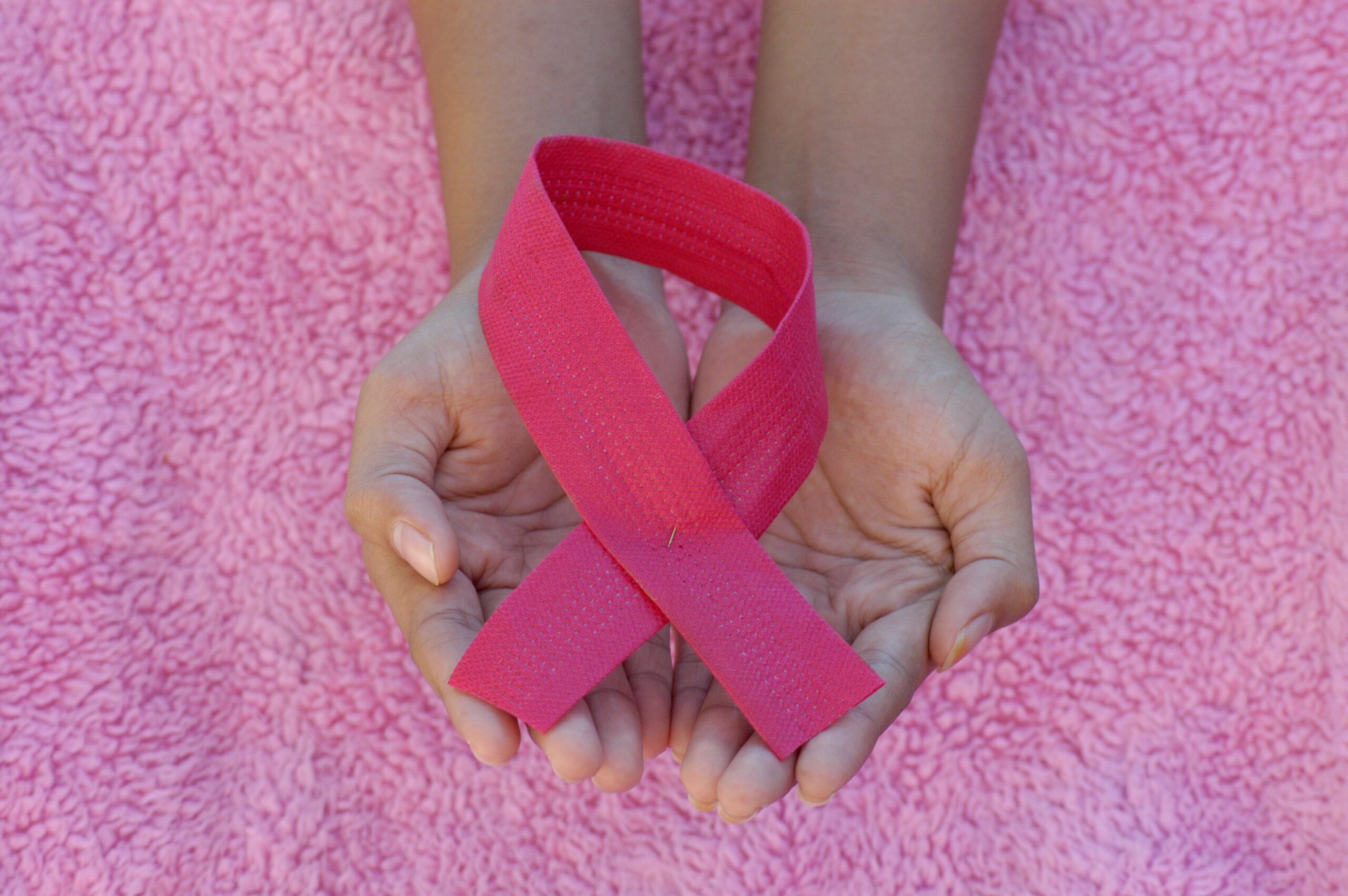
Photo by Angiola Harry on Unsplash
Landmark Lancet study delivers the strongest evidence yet that the HPV vaccine saves lives
A major new study published in The Lancet has produced what researchers are calling the most compelling evidence to date that the human papillomavirus vaccine does far more than prevent cervical cancer. It saves lives. The findings come from researchers at Queen Mary University in London, who analyzed national cervical cancer mortality data from England spanning more than two decades.
The results are striking. Among women aged 20 to 24 who received the HPV vaccine between the ages of 12 and 13, researchers recorded zero deaths from cervical cancer between 2020 and 2024. That represents a 100% reduction in mortality compared to historical rates for that age group. Furthermore, among vaccinated women aged 30 to 34, the relative risk of dying from cervical cancer is 63% lower than in unvaccinated groups. Additionally, the vaccine reduced the incidence of cervical cancer by 87% in vaccinated women.
Overall, researchers estimated that HPV vaccination in England has saved approximately 200 lives since the programme launched in 2008.
Why timing matters more than most people realize
Doctors emphasize that the vaccine’s effectiveness depends heavily on when it is administered. The goal is to vaccinate girls before they are exposed to the virus, ideally before sexual debut. If a woman has already acquired HPV, the vaccine will not eliminate an existing infection. That is precisely why early vaccination carries such outsized benefits.
Most HPV infections clear naturally on their own. However, a small proportion persist and can progress to cancer over many years. Cervical cancer does not develop suddenly. Instead, it moves through several pre-cancerous stages over time, giving healthcare providers multiple opportunities to detect and treat abnormalities before cancer fully develops. That window makes both early vaccination and regular screening essential tools in the fight against the disease.
India’s national vaccination push picks up momentum
The Lancet findings arrive at a particularly significant moment for India. The country recently launched a national HPV vaccination programme targeting adolescent girls. According to reports, nearly 50 lakh doses of the vaccine have already been administered to 14-year-old girls as part of the free immunisation drive. That represents approximately 50% of the 1.15 crore target population nationwide.
India carries one of the world’s highest cervical cancer burdens. Current estimates indicate that every year approximately 123,907 women in the country receive a cervical cancer diagnosis and around 77,348 die from the disease. Cervical cancer ranks as the second most frequent cancer among women in India and the second most frequent cancer among women between the ages of 15 and 44.
Dr. Anupam Sibal, Group Medical Director at Apollo Hospitals Group, described the HPV vaccine as a game changer in India’s fight against the disease. He noted that awareness is growing and parents are now actively seeking the vaccine for their children. However, he also pointed to a unique challenge. Unlike vaccines given in early infancy when parents visit pediatricians regularly, the HPV vaccine is administered during the pre-teen and early teen years, a period when routine doctor visits become much less frequent. Raising awareness about the vaccine’s availability is therefore critical.
Vaccination alone is not the complete answer
While the Lancet findings have generated considerable excitement, doctors are careful to frame vaccination as one part of a broader prevention strategy rather than a complete solution on its own.
Dr. Geeta Chadha, a gynecologist and obstetrician at Delhi’s Indraprastha Apollo Hospital, offered an important note of caution. She pointed out that cervical cancer typically develops much later in life, meaning longer follow-up data is still needed before drawing firm conclusions about long-term mortality benefits across all age groups. Moreover, no vaccine covers every cancer-causing HPV type. Consequently, regular cervical cancer screening remains essential even for vaccinated women.
Beyond screening, doctors recommend avoiding sexually transmitted infections, maintaining overall good health and seeking timely medical care. HPV infection is particularly difficult to detect without screening because it often causes no visible symptoms. Many women with HPV have a completely normal-looking cervix, and the infection is identified only through testing.
The WHO recommends that by age 15, all countries should have vaccinated 90% of girls, screened 70% of women and treated 90% of those with detected cervical disease. The Lancet findings suggest that countries moving aggressively toward that goal are already seeing the results in lives saved.
This article is for informational purposes only and does not constitute medical advice. Consult a healthcare professional for guidance specific to your situation.
Source: Firstpost / The Lancet
About the Author