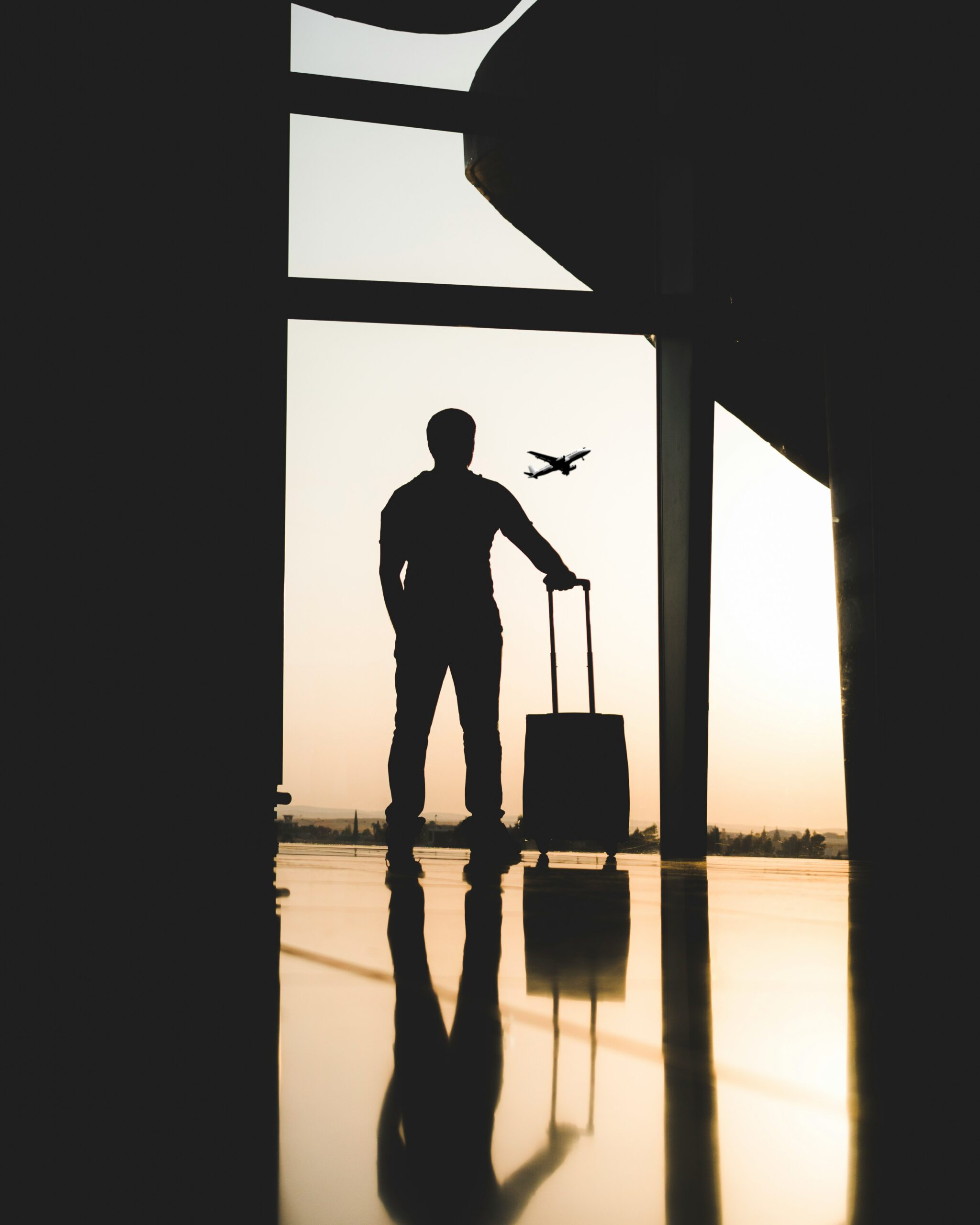
Photo by yousef alfuhigi on Unsplash
Fall begins on September 1 by the meteorological calendar and around September 22 by the astronomical calendar, depending on which system your destination follows. Once summer crowds thin out, a different kind of travel season begins. Prices drop, temperatures mellow, and destinations start to feel more like places to explore than places to survive.
Here’s why fall is the best season to travel, along with the key things to prep before you go.
Smaller crowds at major destinations
Once schools reopen and summer holidays end, tourist numbers drop sharply at many popular destinations. As a result, fall travellers get shorter lines, easier reservations, and more breathing room at landmarks that feel overwhelming in July and August. Moreover, popular hiking trails, museums, and beaches become far more enjoyable once the peak-season rush fades.
Lower prices on flights and accommodation
Airlines and hotels typically lower their rates once summer demand tapers off. Consequently, fall often delivers some of the best value of the entire year, especially for destinations that peak during summer months. Additionally, many properties offer shoulder-season deals designed to attract travellers during this quieter stretch.
Milder, more comfortable weather
Fall brings a comfortable middle ground between summer heat and winter cold. Many destinations settle into mild, walkable temperatures that make sightseeing far more pleasant. Furthermore, humidity drops in many regions, which makes outdoor activities like hiking and city walking noticeably more enjoyable than during peak summer months.
Stunning seasonal scenery
Few things rival the visual payoff of fall foliage. Forests, parks, and countryside routes transform into deep reds, oranges, and golds, creating some of the most photogenic travel scenery of the year. This seasonal shift turns even familiar destinations into something that feels new.
Harvest season and local food experiences
Fall coincides with harvest season in many regions, which means fresh produce, wine festivals, and seasonal menus become widely available. Therefore, food-focused travellers often find this season especially rewarding. Local markets fill with seasonal ingredients, and many wine regions host harvest celebrations.
What to prep before travelling in fall
Once you’re convinced fall is worth booking, a bit of preparation keeps the trip running smoothly. Here are the essentials to sort out before you leave.
Check the weather forecast for your destination
Fall weather varies dramatically depending on where you’re headed. Some regions stay mild well into October, while others drop into near-winter conditions overnight. Checking a detailed forecast a few days before departure helps you pack accurately.
Pack layers instead of bulky items
Layering remains the smartest packing strategy for fall trips. A base layer, a light sweater, and a packable rain jacket cover most conditions without taking up excessive luggage space. Layers let you adjust quickly as temperatures swing between chilly mornings and warmer afternoons.
Confirm your travel insurance covers weather delays
Fall brings a higher chance of storms, fog, and flight disruptions compared to summer months. Confirming that your travel insurance covers weather-related delays protects you from unexpected costs. Some policies exclude certain regions during storm season, so reading the fine print matters.
Research daylight hours at your destination
Daylight shortens noticeably during fall, especially in northern regions. Planning your itinerary around this shift prevents you from arriving somewhere just as it gets dark. Checking sunset times helps you schedule outdoor activities during the hours when visibility is best.
Book accommodations with heating confirmed
Not every property turns on heating early in the season, particularly where fall nights get surprisingly cold. Confirming heating availability before booking prevents an uncomfortable stay. Reading recent reviews often reveals whether previous guests mentioned cold rooms.
Prepare for shorter operating hours at attractions
Many seasonal attractions and outdoor markets reduce their hours once fall arrives. Checking opening times in advance saves you from arriving at a closed venue. Some destinations also close specific trails once the season shifts, so confirming availability directly with the venue is worth it.
Pack essentials for changing air quality and allergies
Fall triggers seasonal allergies for many travellers, and dry indoor heating can worsen respiratory irritation. Packing allergy medication, a light scarf, and lip balm helps you stay comfortable through sudden temperature changes.
Final thoughts
Fall combines smaller crowds, better prices, mild weather, and stunning scenery in a way few other seasons can match. With the right prep, from checking the forecast to confirming insurance and heating, you can spend less time managing surprises and more time enjoying one of the best travel seasons of the year.
About the Author