Photo credit: The Breakfast club/Youtube
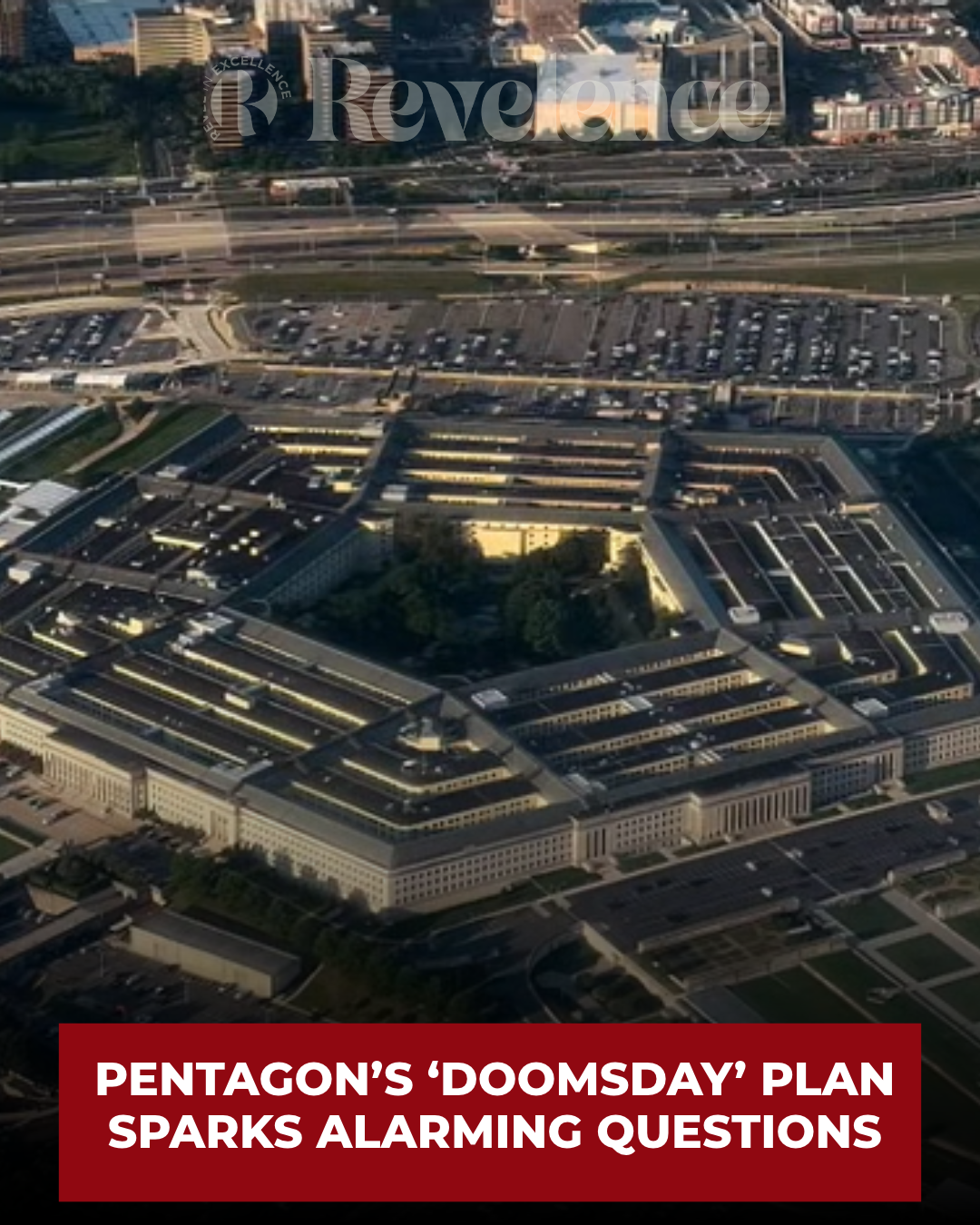
The Pentagon’s reported “Doomsday” plan is raising questions about how ordinary Americans would survive a major national emergency. Charlamagne tha God addressed those concerns while naming the Pentagon his Donkey of the Day on The Breakfast Club.
During Tuesday’s segment, the radio host reacted to reports that major U.S. military bases could be required to operate independently for at least 90 days. The plan would help protect military operations if war or another crisis disrupted power, water, communications and supply chains.
Charlamagne said he understood why the military needed to prepare for such a scenario. However, he questioned what would happen to civilians if critical services failed across the country.
His criticism focused on one major issue: military readiness means little if the communities surrounding military bases cannot survive the same crisis.
What is the Pentagon’s ‘Doomsday’ plan?
The reported plan falls under an initiative called FORTRESS, which stands for Federal Operations for Resilience, Troop Resources, Energy, Supply, and Survivability.
According to Fortune, the Pentagon wants major military installations in the continental United States to sustain essential operations for at least 90 days without outside support.
The initiative includes plans for independent power systems, microgrids, portable nuclear reactors and emergency stockpiles. These resources could help military bases remain operational if the civilian power grid or supply chains fail.
The goal is to reduce the military’s dependence on infrastructure that could become vulnerable during a major conflict.
However, the reported plan does not mean a nationwide blackout or war is imminent. Instead, it reflects efforts to prepare military installations for possible disruptions.
Charlamagne questions who will protect civilians
During his broadcast, Charlamagne asked what the government knew about potential threats that the public did not. He also questioned whether officials had a comparable survival plan for American families.
He raised concerns about elderly residents, people who depend on dialysis and patients who need refrigerated medication. Families with young children could also face serious challenges during a prolonged emergency.
A widespread power outage could disrupt hospitals, drinking water supplies, food distribution and communication networks. If those services failed for weeks, vulnerable communities could face even greater risks.
Charlamagne argued that the government should explain how it would protect people if the military could continue operating while civilian infrastructure remained down.
He also reminded listeners that service members have families. Those families would face the same shortages and disruptions as other Americans.
The cost of preparing for a crisis
Charlamagne also questioned whether families could afford to build emergency supplies.
He pointed to the rising cost of groceries and fuel as major obstacles. Many Americans already struggle to cover everyday expenses, making months of food and water difficult to afford.
His comments followed separate emergency preparedness guidance in the United Kingdom. British officials have encouraged households to keep essential supplies available for short-term disruptions, according to Fortune.
Charlamagne argued that emergency planning must consider the financial realities facing ordinary people. Telling families to prepare is not enough if they lack the money to buy supplies.
Past disasters raise more questions
Charlamagne referenced Hurricane Katrina, Hurricane Maria in Puerto Rico and the 2021 Texas power grid failure. He used those events to highlight the challenges communities can face when essential services break down.
He questioned how emergency agencies would respond if a crisis affected power, water, communications and supply chains across the country for 90 days.
The radio host called for officials to explain what protections exist for civilians. He also stressed that preparing for a possible disaster does not mean one is about to happen.
The Pentagon’s reported FORTRESS plan focuses on keeping military installations operational during a major disruption. Charlamagne’s criticism raises a broader question about whether civilian communities have enough support to endure the same emergency.
For him, the concern is clear: the country cannot claim to be fully prepared if its military can survive a crisis while ordinary Americans are left without essential services.
About the Author