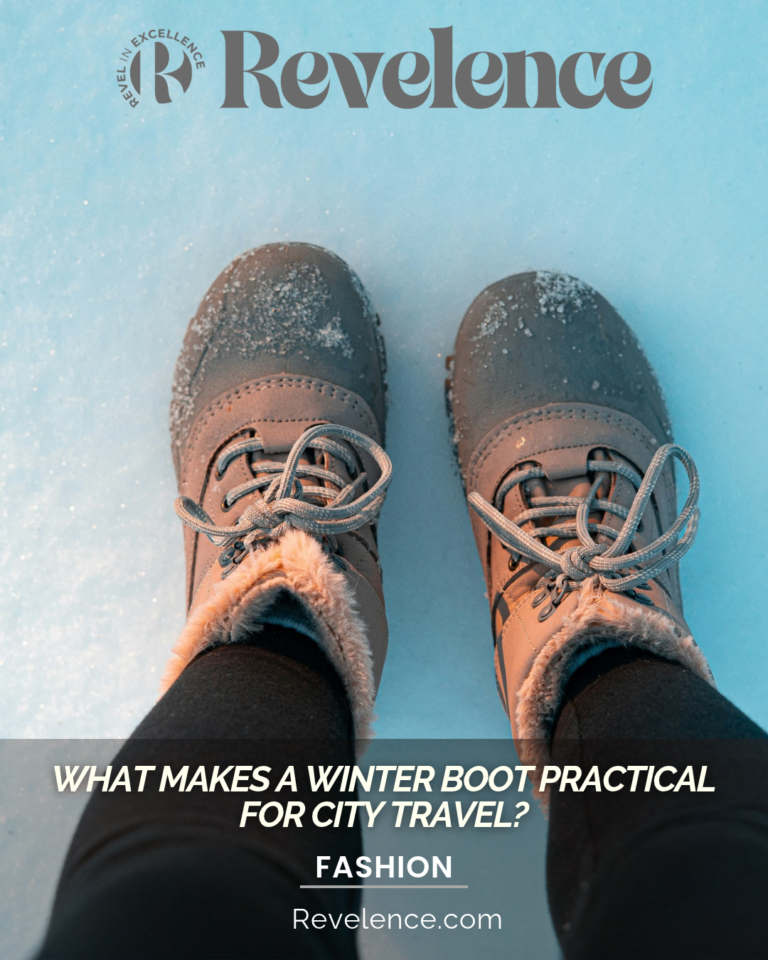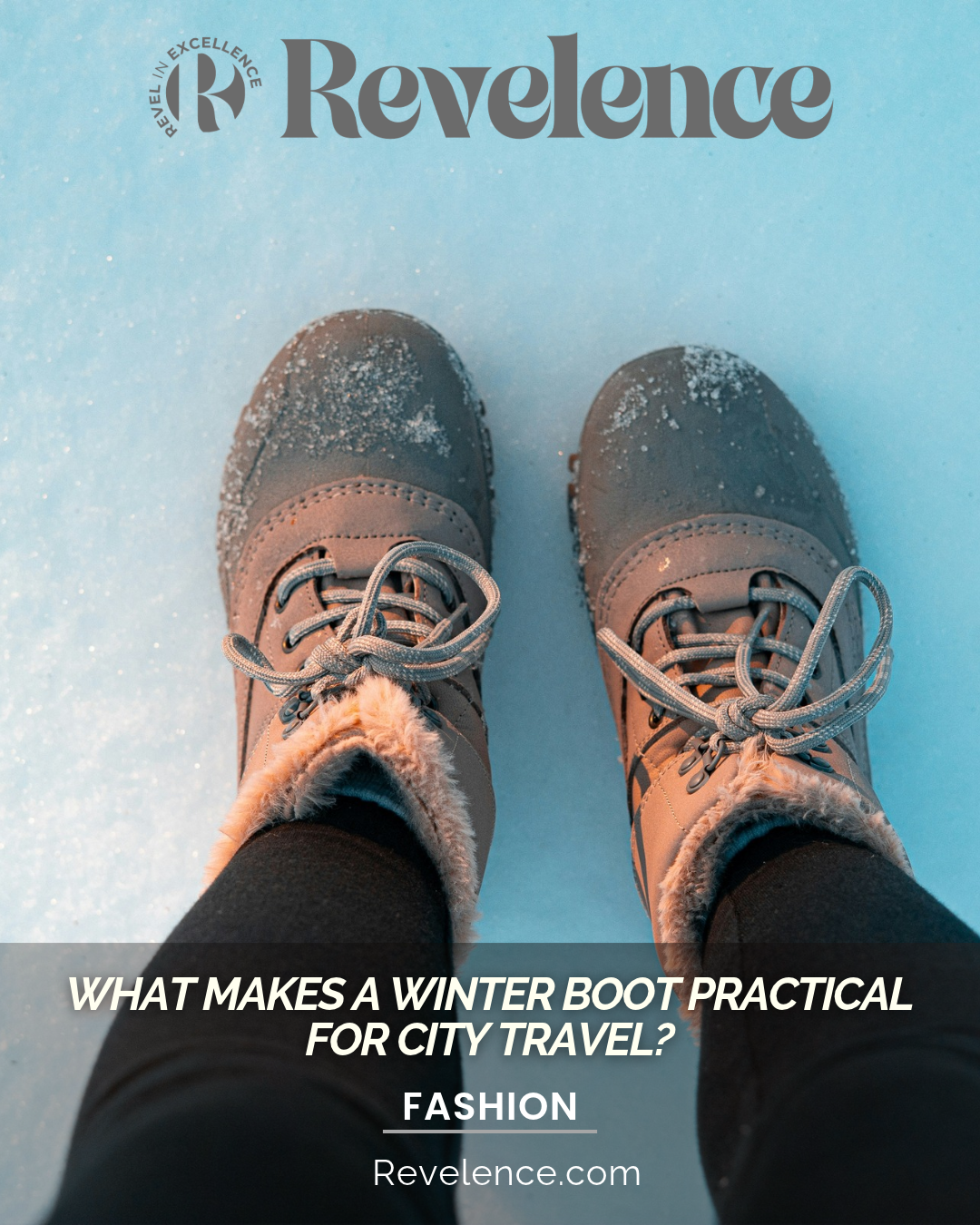
A stylish pair of winter boots can complete an outfit, but city travel demands more than good looks. Walking between train stations, offices, shops and restaurants can expose footwear to wet sidewalks, slush, snow and long periods of standing.
The right pair should provide dependable traction, comfortable support and weather protection without becoming too heavy for everyday movement. It should also be practical to clean and maintain after repeated exposure to winter conditions.
However, product descriptions can make it difficult to distinguish useful features from marketing language. Comparing manufacturer specifications and care instructions gives shoppers a clearer picture of what they are buying.
Here are five details to examine before choosing winter boots for city travel.
Check the outsole before judging its appearance
The outsole is the bottom part of the boot that makes contact with the ground. Its material and tread design can influence how the footwear performs on wet or slippery surfaces.
Look for a rubber outsole with a defined tread pattern. Multi-directional grooves and lugs can help the sole engage with uneven or snowy surfaces. However, deeper tread alone does not guarantee better grip on every type of ground.
Some manufacturers develop specialized compounds for winter traction. HANWAG, for example, describes its IceGrip technology as incorporating fine glass particles into the tread blocks to improve grip on icy surfaces. Its manufacturer-published testing also compares traction measurements across dry, wet and icy conditions.
This illustrates why shoppers should look beyond a generic non-slip label. Check whether the manufacturer provides specific information about the outsole material, intended surfaces and traction testing.
No ordinary winter boot should be treated as a guarantee against slipping on ice.
Compare comfort for a full day of walking
A boot may feel comfortable when trying it on briefly but become uncomfortable after several hours of city travel.
Start with the fit. Your toes should have room to move, while the heel should feel secure without excessive rubbing. Try the boots with the socks you expect to wear during winter.
Next, examine the manufacturer’s information about cushioning, footbeds, ankle support and weight.
Columbia’s winter boot guide identifies cushioning, shock absorption and footwear weight as important comfort considerations. Its guidance also explains why heavy footwear can become tiring during extended walking.
Consider how you will use the boots. A commuter who walks between public transportation and an office may prefer a lightweight, flexible pair. Someone spending several hours outdoors in freezing conditions may need additional insulation and ankle coverage.
Comfort is not determined by one technology or material. The fit should work for your feet and the activities you expect to perform.
Understand waterproofing and insulation claims
Winter weather can expose footwear to rain, melting snow and slush. However, water-resistant and waterproof do not mean the same thing.
Water-resistant materials can repel moisture for a period, but they may not protect against prolonged exposure. Waterproof construction generally provides a stronger barrier, often through a membrane and sealed construction.
Read the manufacturer’s product description carefully. Look for details about waterproof membranes, sealed seams and the materials used in the upper.
Also consider insulation. A warm lining can help retain heat, but heavy insulation may feel uncomfortable when moving between cold outdoor streets and heated indoor spaces.
The best combination depends on the climate and the length of time you spend outside. A city commuter may need weather protection and moderate insulation rather than a bulky boot designed for deep snow.
Read the care instructions before purchasing
Maintenance can affect how long winter boots remain attractive and functional.
Different materials require different cleaning methods. Smooth leather, suede, nubuck and synthetic fabrics should not automatically receive the same treatment.
For example, SOREL’s official care guide recommends different cleaning approaches for waterproof leather and suede or nubuck. Its instructions also explain how to clean boot liners.
GORE-TEX recommends removing loose dirt, cleaning footwear with lukewarm water and a small amount of liquid detergent, and allowing boots to dry naturally at moderate temperatures. It advises against machine washing and direct heat.
Before buying, check whether the manufacturer recommends special cleaners, conditioners or water-repellent treatments. Also consider whether the lining or footbed can be removed for drying.
A pair that requires complicated maintenance may not be the most practical choice for someone who wears winter boots frequently.
Consider the cost of keeping the boots in good condition
The purchase price is only one part of the cost of owning winter footwear.
Some boots may require specialized cleaning products, leather conditioners or replacement insoles. Others may need less maintenance, depending on their materials and construction.
Check whether the manufacturer sells replacement components or provides repair guidance. Look at the warranty information and determine whether it covers manufacturing defects or specific construction problems.
After wearing the boots, remove surface dirt and allow them to dry properly. Follow the care instructions rather than placing wet footwear beside a radiator or using an unsuitable waterproofing product.
These small habits can help preserve the materials and appearance of the boots.
A practical winter boot buying checklist
Before making a purchase, compare these details:
- Traction: What outsole material and tread pattern does the manufacturer specify?
- Testing: Does the brand provide information about slip-resistance testing?
- Comfort: Is the boot lightweight, cushioned and secure around the heel?
- Weather protection: Is it waterproof or only water-resistant?
- Warmth: Does the insulation match your climate and time outdoors?
- Maintenance: Are cleaning and conditioning instructions clearly available?
- Value: Can you find replacement components or manufacturer repair support?
Choose winter boots for the journey, not just the outfit
Winter footwear should support the way people actually move through a city. A fashionable silhouette matters, but it should not outweigh traction, comfort and practical weather protection.
Manufacturer specifications help shoppers compare construction and performance claims. Care instructions reveal what maintaining the footwear will involve after purchase.
Before choosing a pair, consider the surfaces you walk on, how long you spend outdoors and how much maintenance you are prepared to manage. The most practical winter boots are those that suit your daily routine as well as your personal style.
About the Author