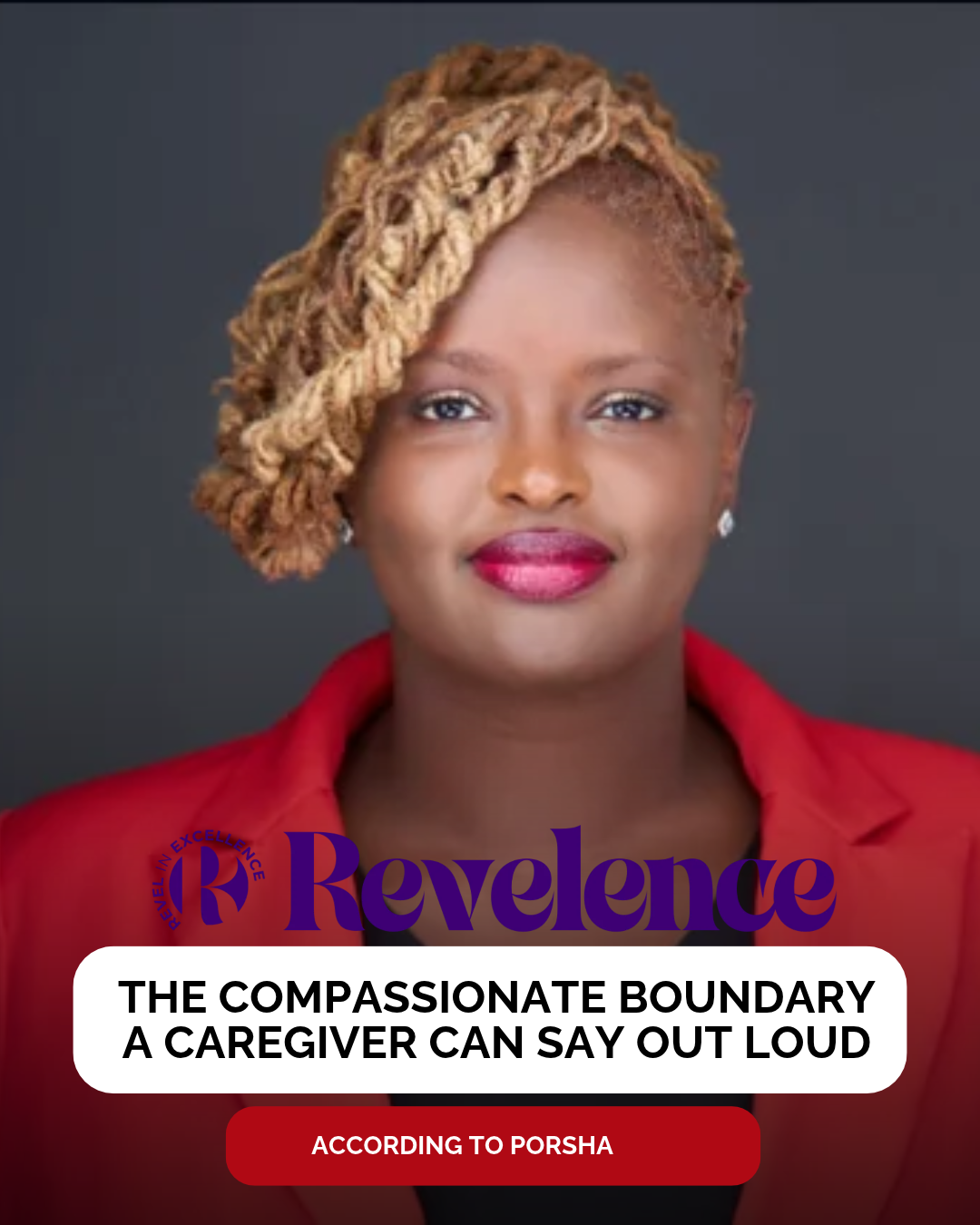
Photo credit: Dr. LaToya Lewis/Instagram
Caregiving can become overwhelming when one person is expected to manage every responsibility. From scheduling medical appointments to preparing meals and coordinating prescriptions, the demands can quickly affect a caregiver’s health, work and personal life.
For many women, especially in Black families, these responsibilities can become an unspoken expectation. Daughters, mothers and sisters may feel obligated to remain available, even when they need time to care for themselves.
However, loving a family member does not mean accepting every responsibility alone. A compassionate boundary allows caregivers to communicate their limits while continuing to support the people they love.
Dr. LaToya Lewis, an associate professor of clinical nursing at the University of Miami and founder of SANOYA, believes families must change how they approach caregiving. In an interview with According To Porsha, she explained why women should not have to sacrifice their well-being to meet family expectations.
What does a compassionate boundary sound like?
A compassionate boundary communicates love, commitment and a specific need without making the caregiver feel obligated to apologize.
Lewis offered a practical example involving a woman caring for her father. She explained that the caregiver could tell her siblings that she loves their father and wants to support him, but needs assistance on Mondays, Wednesdays and Fridays between 7 and 9 a.m.
Those hours could give her time to exercise, pray, meditate or take a walk.
A caregiver could express that boundary this way:
“I love our father, and I want to continue supporting him. However, I cannot manage every responsibility alone. I need someone to help on Mondays, Wednesdays and Fridays from 7 to 9 a.m. so I can take care of my health and recharge.”
The statement does not reject the responsibility of caregiving. Instead, it explains what the caregiver needs to continue providing support without becoming overwhelmed.
Why caregivers struggle to say no
Many caregivers struggle with setting limits because they fear disappointing their families. Cultural expectations can also make it difficult for women to admit that they need assistance.
Lewis explained that women are often expected to be strong, dependable and available. However, those expectations can leave other relatives out of the caregiving conversation.
She challenges families to stop assuming that daughters, mothers, sisters and female cousins should automatically take responsibility.
Caregiving should be shared across the family. Sons and other male relatives must also participate rather than treating support as a woman’s responsibility.
How families can make boundaries work
Explain exactly what you need
Telling relatives that you are overwhelmed may not be enough to produce meaningful assistance.
Lewis encourages caregivers to move beyond general requests for help. Instead, they should identify specific responsibilities that other family members can manage.
One sibling can schedule appointments, another can contact the pharmacy about prescriptions, while someone else can coordinate meals.
Share responsibilities even when relatives live far away
Distance should not automatically excuse family members from participating.
Relatives can use group chats, Zoom and FaceTime to coordinate appointments, communicate updates and organize support.
Someone living in another city can still manage phone calls, paperwork or prescription arrangements.
Recognize when additional care is necessary
Some situations require more support than relatives can provide alone.
Lewis encourages families to explore transportation services, respite care and appropriate long-term care arrangements when a loved one’s needs become more demanding.
These decisions should include the person receiving care whenever possible.
Protect your own health
Caregivers should not continually postpone their medical appointments or ignore their physical and emotional needs.
Lewis encourages women to identify one responsibility they can delegate immediately. It could be asking a relative to pick up food, make a phone call or refill a prescription.
She also reminds caregivers that rest does not always mean sleeping. Sometimes, it means allowing the mind to recover from constant responsibilities.
Setting boundaries does not mean abandoning your loved ones
A caregiver can remain loving and supportive without being available every hour of the day.
Lewis makes an important distinction in the interview: “Boundaries are not rejection.” They allow caregivers to continue showing up for loved ones without losing themselves.
Families must recognize that caregiving involves more than physical assistance. It includes emotional support, planning, financial coordination and countless responsibilities that often go unnoticed.
A healthier arrangement begins when relatives acknowledge that workload and share it fairly.
Caregivers deserve support, not just praise
Women who provide consistent care deserve more than recognition for their strength. They deserve time to rest, attend medical appointments and maintain their personal goals.
Lewis offers three important reminders: Being capable does not mean doing everything, rest is essential, and caregivers deserve support.
Her message is an invitation for families to have honest conversations before exhaustion becomes a crisis.
A compassionate boundary is not a lack of love. It is a practical way to protect the caregiver while ensuring that the person receiving care continues to receive meaningful support.
Source: According To Porsha, interview with Dr. LaToya Lewis, associate professor of clinical nursing at the University of Miami and founder of SANOYA.
About the Author