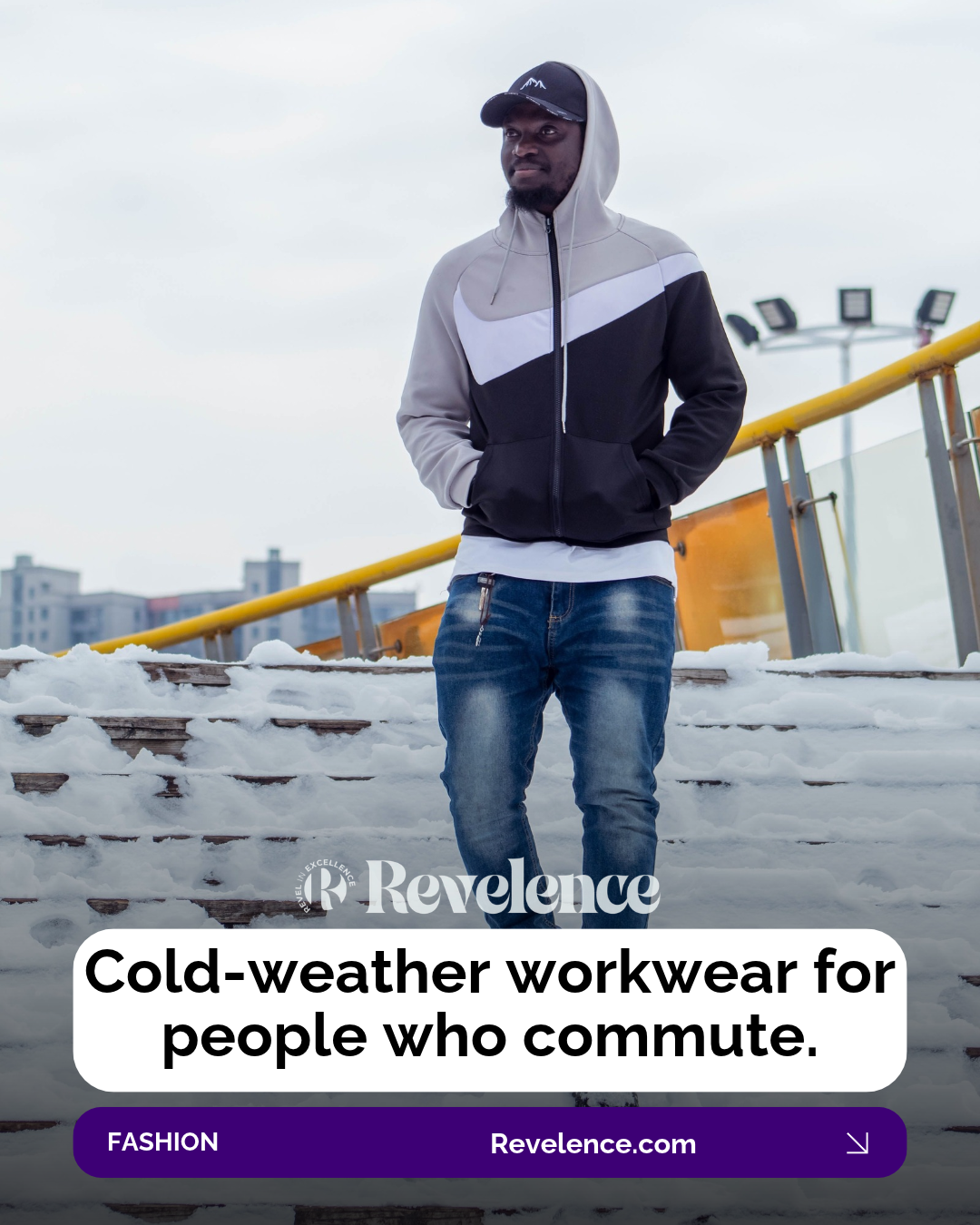
Getting dressed for work in cold weather can be challenging when your day involves walking, waiting for public transport and spending hours in a heated office. A heavy coat may feel necessary outdoors, but wearing too many thick layers indoors can quickly become uncomfortable.
The solution is to build a workwear outfit around removable layers. Choose pieces that keep you warm outside, look professional at work and fit comfortably when you are travelling.
Start with a comfortable base layer
A good cold-weather work outfit starts with a lightweight base layer. Choose a fitted long-sleeved top, thermal shirt or fine-knit turtleneck that sits comfortably under your work clothes.
Merino wool and soft cotton blends can work well, depending on the temperature and your personal comfort. Avoid bulky fabrics that make it difficult to move your arms or wear a blazer.
For a polished office look, pair a fitted base layer with tailored trousers, a midi skirt or a structured dress. Neutral colours such as black, grey, cream and navy make outfit combinations easier.
Add a layer you can remove indoors
The middle layer should provide warmth without making your outfit feel too heavy. A cardigan, fine-knit sweater, lightweight blazer or knitted vest can serve this purpose.
A cardigan works particularly well for commuters because it is easy to remove when the office feels warm. A blazer offers a more structured appearance for meetings and professional settings.
Choose pieces that can fold neatly over your arm or fit inside your work bag. This makes it easier to adjust your outfit after leaving the cold outdoors.
Choose an outer coat that works for the commute
Your coat is often the most visible part of your winter workwear. It should protect you from the weather while complementing your office clothes.
A wool coat creates a polished appearance and works well with tailored trousers, dresses and boots. A water-resistant coat offers more practical protection on rainy or windy days.
Consider a relaxed fit that allows room for a sweater or blazer underneath. However, avoid an oversized coat that makes crowded buses and trains difficult to navigate.
A coat with secure pockets is also useful. You can keep small essentials close without constantly opening your bag during the journey.
Wear shoes that handle the journey
Office shoes may not always be the best choice for walking to a bus stop or navigating a train station.
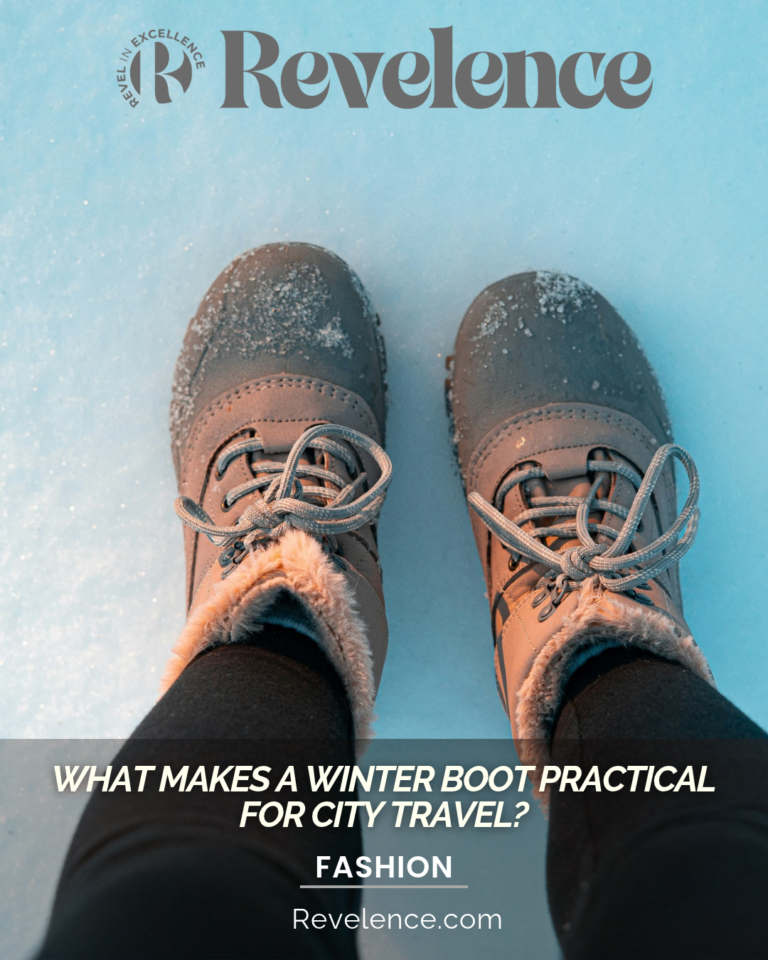
Ankle boots with comfortable soles can complement tailored trousers, skirts and dresses. Loafers may work in milder conditions, while weather-resistant boots offer more protection on wet or icy routes.
If your workplace has a formal dress code, consider commuting in comfortable shoes and changing into your office footwear when you arrive.
The right choice depends on your route, weather conditions and how much walking your journey involves.
Make your work bag part of the layering plan
A practical work bag should hold your daily essentials without becoming difficult to carry on public transport.
Choose a structured tote or backpack with secure closures and enough room for a compact umbrella, gloves, a scarf and a small pouch. Keep frequently used items easy to reach.
A lightweight scarf can provide extra warmth outdoors and be removed indoors. Gloves also help during cold walks between transport stops.
Avoid carrying too many accessories. A few useful pieces can make your commute easier without creating unnecessary bulk.
Build outfits that adapt throughout the day
The best cold-weather workwear does not depend on one thick garment. It combines pieces that work together and can be adjusted as temperatures change.
For example, tailored trousers, a fitted long-sleeved top, a cardigan and a wool coat create a practical office outfit. On colder days, add a thermal base layer and comfortable boots.
For a skirt or dress, consider opaque tights, ankle boots and a removable cardigan under a suitable coat.
Keep your colour palette coordinated so you can mix and match pieces throughout the week. This also makes getting dressed easier on busy mornings.
Dress for the journey, not just the office
Cold-weather workwear should support your entire day. You need clothes that allow comfortable movement on public transport, provide enough warmth outdoors and remain appropriate in a heated workplace.
Focus on lightweight layers, practical footwear and outerwear that fits comfortably over your office clothes. When each piece has a purpose, you can stay warm without sacrificing your professional style.
About the Author