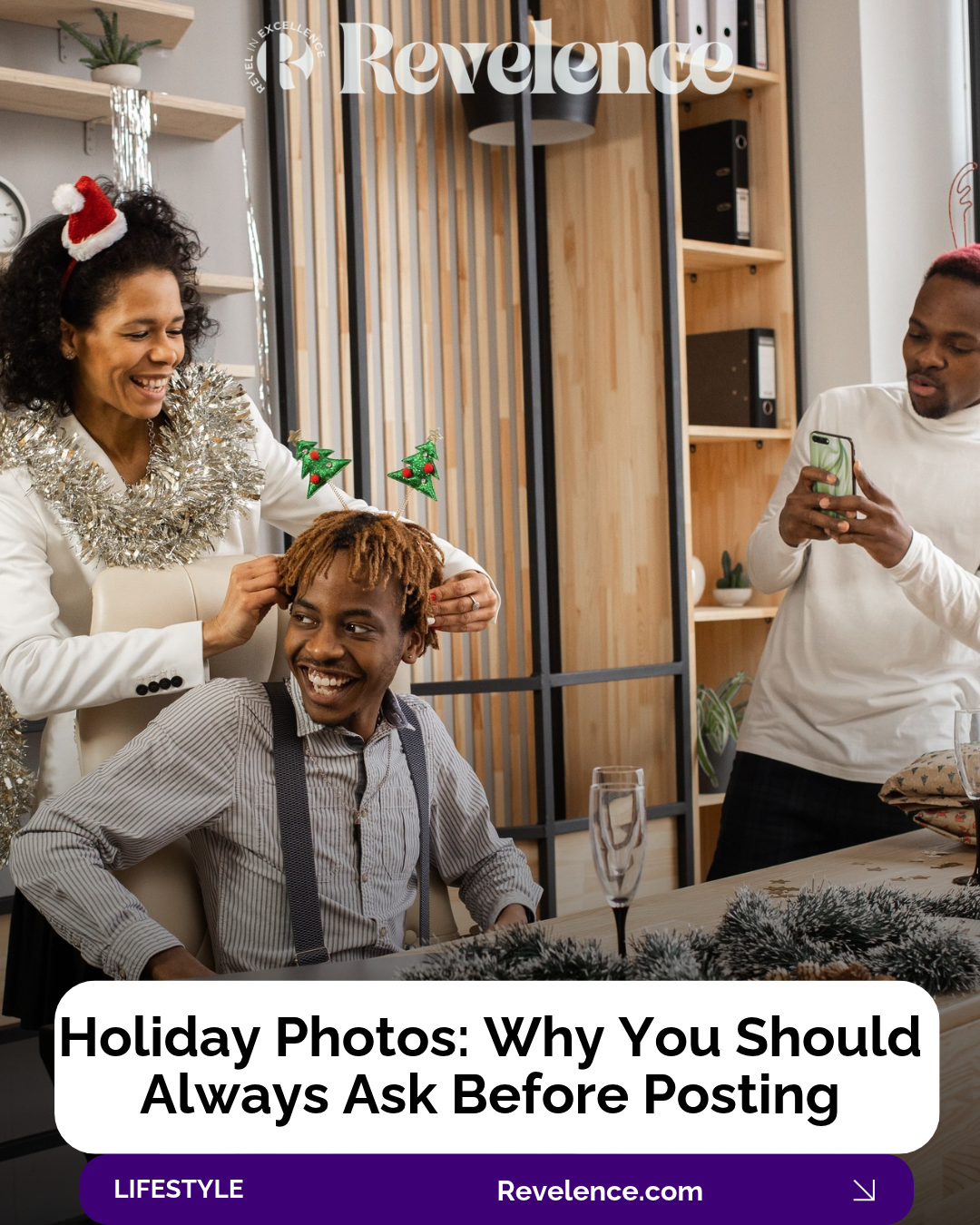
Photo credit: Photo by KATRIN BOLOVTSOVA on Pexels
Holiday gatherings create memories worth keeping. Families take pictures around decorated trees, dinner tables, birthday celebrations and festive outings. Sharing those moments online can help relatives and friends feel included, especially when they live far away.
However, a beautiful holiday photo deserves a privacy check before it reaches social media. Everyone pictured may not want their image shared publicly. Children also deserve consideration, even when adults make posting decisions on their behalf.
The Federal Trade Commission (FTC) advises people to get permission before sharing photographs or videos of others. It also warns that privacy settings cannot guarantee complete control over who sees or saves a post.
Before publishing your next holiday photo, consider three things: consent, children’s privacy and location exposure.
Ask everyone before sharing the holiday photo
Taking a group picture does not automatically give everyone permission to publish it online.
Someone may enjoy appearing in a family photograph but prefer to keep it off Instagram, Facebook or TikTok. Another person may have professional, personal or safety reasons for limiting their online visibility.
The FTC recommends asking people whether they are comfortable with a photo being shared. If someone says no, respect that decision.
The eSafety Commissioner, Australia’s online safety regulator, also explains that consent should be freely given and informed. People should understand what they are agreeing to share. They can also change their minds later.
Make this conversation part of the holiday routine. Before posting, show the picture to everyone who appears in it. Ask whether they approve of the image and the intended audience.
If someone objects, choose another photograph or crop them out.
Give children a voice in holiday pictures
Parents often share holiday photographs to celebrate their children’s milestones and family experiences. However, children have privacy interests that deserve attention.
The American Academy of Pediatrics (AAP) encourages parents to consider the possible effects of sharing children’s images online. Its guidance highlights digital footprints, unwanted exposure and the importance of thinking about a child’s future privacy.
For older children, ask whether they are comfortable appearing in the photograph. Explain where you intend to share it and who might see it.
Younger children may not fully understand online sharing. Parents and guardians should therefore consider their best interests before publishing.
Also, ask other parents before posting photographs that include their children. A family gathering does not automatically give everyone permission to share another person’s child online.
Avoid photographs that reveal embarrassing moments, private family situations or sensitive information. A funny holiday moment may not feel funny to a child years later.
Check the background for location clues
A holiday photograph can reveal more than the people in it.
A house number, street sign, school uniform or recognizable building may identify where someone lives, studies or spends time. Captions can also expose travel plans, daily routines and gathering locations.
The eSafety Commissioner advises parents to avoid sharing details that reveal children’s locations, schools or regular activities.
Instagram-specific guidance from the regulator also recommends avoiding location tags when users do not want to reveal where photographs were taken.
For safer holiday sharing, consider these precautions:
- Remove visible house numbers, street signs and school logos.
- Avoid posting your live location or announcing that your home is empty.
- Review location tags before publishing photographs.
- Avoid captions that reveal children’s regular schedules.
- Consider sharing holiday photographs after leaving the location.
These small changes can reduce unnecessary exposure without taking away the joy of sharing family memories.
Review your social media privacy settings
Before uploading holiday photographs, check who can view your posts, stories and tagged pictures.
A private account can help limit exposure, but it does not guarantee that content stays within your chosen audience. Followers can still take screenshots, record content or share images with others.
The FTC reminds users that deleting a post does not guarantee that every copy disappears.
Consider limiting holiday photographs to trusted followers or a smaller audience. Review your followers and check who can tag you in pictures.
On Instagram, users can also review location-sharing choices and avoid adding location tags when they are unnecessary.
For family members who want regular updates, private messaging can be a more suitable alternative to public posts.
Make consent part of your holiday tradition
Families do not need complicated rules to protect everyone’s privacy. A simple conversation before posting can prevent misunderstandings and respect personal boundaries.
You can say, “I love this picture. Is everyone comfortable with me sharing it?”
You can also establish family expectations before gatherings begin. Let relatives know that they should ask before posting photographs of children or other family members.
If someone later asks for a photograph to be removed, take the request seriously. The eSafety Commissioner recommends removing images when a person withdraws consent.
Ultimately, holiday photographs should preserve happy memories without compromising someone’s privacy. A little consideration before pressing the share button can make family celebrations more comfortable for everyone.
About the Author