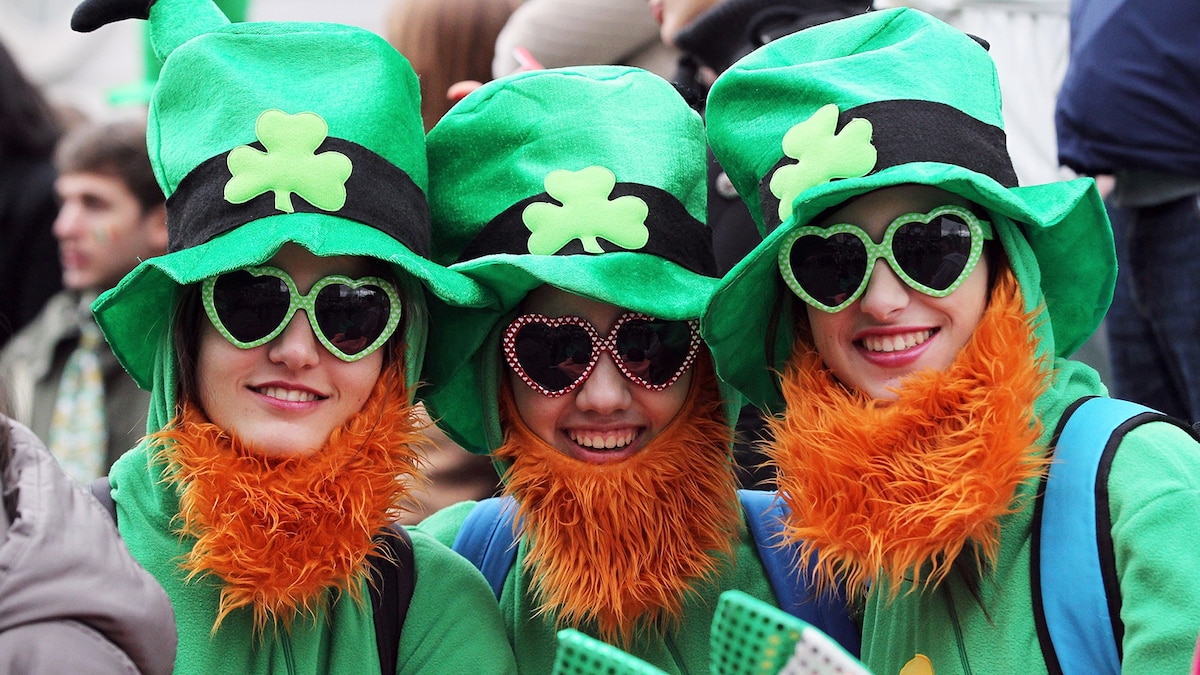
Courtesy:Getty images
Every March 17, millions of Americans reach for something green, pour a pint of Guinness, and head out to celebrate a holiday they have observed their entire lives. But how much do most people actually know about where St. Patrick’s Day comes from, who Saint Patrick really was, and why the traditions look the way they do today? The answers are far more surprising and far more interesting than the shamrocks and pub crawls might suggest.
Saint Patrick was not Irish
This is the detail that surprises people most. Despite being the patron saint of Ireland, Saint Patrick was born in Britain near the end of the fourth century, most likely around 387 AD, possibly in what is now Scotland. His connection to Ireland began not by choice but by force he was captured by Irish raiders at the age of 16 and spent six years in captivity on the island.
During those years in captivity, Patrick became a deeply devout Christian. He eventually escaped after believing God had spoken to him in a dream, telling him to leave. Years later he wrote that an angel appeared to him in another dream, instructing him to return to Ireland as a missionary. After approximately 15 years of religious study, he became a priest and returned to the country where he had once been held prisoner this time to serve its people.
His mission in Ireland, which historians place around 440 AD, focused on both ministering to existing Irish Christians and converting those who had not yet embraced Christianity. Despite his enormous historical significance, Saint Patrick was never formally canonized by the Catholic Church, though his legacy has endured for more than fifteen centuries.
America celebrated St. Patrick’s Day before Ireland did
Here is another detail that tends to catch people off guard. The first recorded St. Patrick’s Day celebration in the Americas took place in 1600 in the Spanish colony of present-day St. Augustine, Florida making it one of the oldest continuously observed traditions on the continent. The first known St. Patrick’s Day parade followed the very next year, on March 17, 1601, in that same location.
The tradition spread northward over the following century, with Irish soldiers in the English military marching in celebration of Saint Patrick in Boston in 1737 and in New York City in 1762. Decades of growing Irish patriotism and immigration eventually led to the formation of Irish Aid societies, and in 1848, multiple parade organizations united to create the single official New York City St. Patrick’s Day Parade that still takes place today along Fifth Avenue.
Meanwhile, back in Ireland, laws actually mandated that pubs be closed on St. Patrick’s Day until the 1970s, and it was not until 1995 that the Irish government began actively promoting larger celebrations to drive tourism. The rowdy bar culture most Americans associate with the holiday is, in many ways, a distinctly American invention.
Saint Patrick’s color was never green
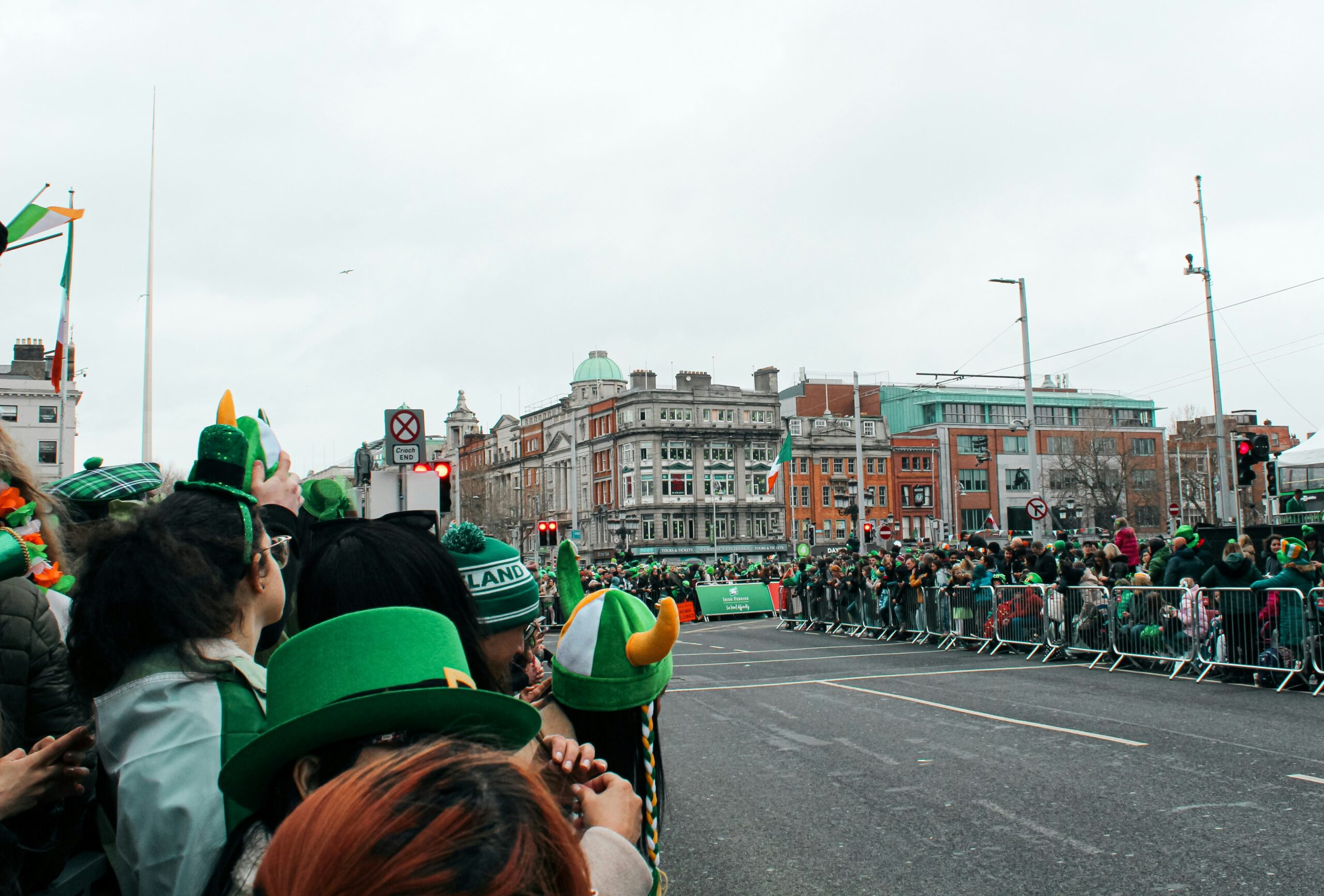
The tradition of wearing green on St. Patrick’s Day has almost nothing to do with Saint Patrick himself, who was historically depicted wearing blue. The color green instead represents Ireland as a nation, rooted in the country’s identity as the Emerald Isle and symbolized by its national flower, the shamrock.
The pinching tradition adds another layer of American invention to the holiday. One legend holds that wearing green makes a person invisible to leprechauns described in folklore as red-bearded fairies who would pinch anyone not wearing the color. However, this particular tradition appears to have originated entirely in America rather than Ireland. Irish cultural historians have noted that the association between leprechauns and St. Patrick’s Day is not something rooted in Irish tradition at all, and that the pinching custom would strike most people in Ireland as a thoroughly foreign concept.
Why the holiday became what it is today
The transformation of St. Patrick’s Day from a religious feast day into America’s most festive themed celebration is largely the story of Irish immigration. As waves of Irish immigrants arrived in the United States throughout the 18th and 19th centuries, the holiday became a powerful expression of cultural identity and community solidarity — a way to honor a shared heritage in a new country. Over time, that celebration expanded beyond the Irish community entirely, becoming one of the most widely observed unofficial holidays in American life.
Today the holiday kicks off Ireland’s tourist season every year, drawing visitors from around the world to a country that, for most of its history, observed March 17 with quiet religious solemnity rather than green beer and parades.
Source: Austin American-Statesman / History Channel
About the Author