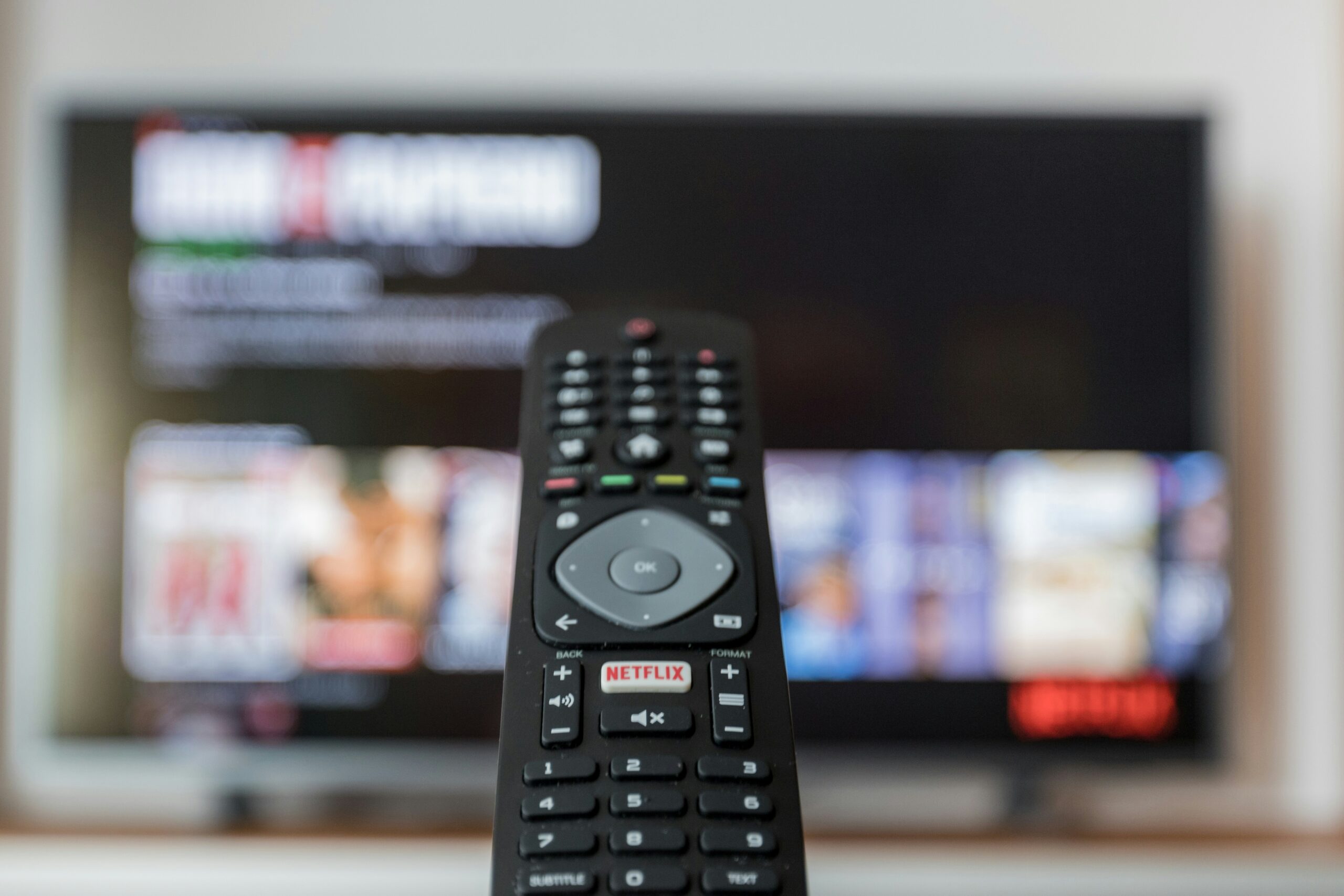
Photo by Piotr Cichosz on Unsplash
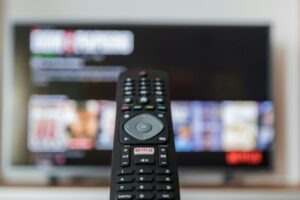
The Roku, TCL lawsuit is drawing attention after a class action accused Roku Inc. and TCL of selling smart TVs that allegedly fail after software updates. The complaint claims that repeated defects have left some devices unusable, raising concerns about reliability and customer support.
Filed in a California federal court, the Roku, TCL lawsuit centers on claims that software updates caused serious performance problems. Because of this, affected users argue that their TVs no longer function as expected.
Roku, TCL lawsuit claims software defects broke TVs
First, the Roku, TCL lawsuit alleges that certain smart TVs suffer from ongoing software issues. These problems reportedly stem from updates tied to Roku’s operating system.
According to the complaint, some devices became fully unusable after updates. Others showed major performance issues that disrupted normal viewing. As a result, users claim their TVs were effectively “bricked” or significantly degraded.
The lawsuit focuses on models sold from late 2024 onward, including Roku-branded TVs and TCL models that run Roku software.
Roku, TCL lawsuit highlights user-reported problems
Next, the Roku, TCL lawsuit outlines a range of issues reported by customers. These include screen blackouts, flickering displays and loss of video while audio continues.
In addition, some users reported repeated restarts and freezing. Others said their TVs entered recovery mode after updates and failed to return to normal operation.
These complaints appeared across online forums, including discussions hosted by Roku. Because of this, the lawsuit argues that the problems were widespread rather than isolated incidents.
Roku, TCL lawsuit questions company response
Finally, the Roku, TCL lawsuit raises concerns about how the companies handled the situation. The complaint claims both companies were aware of the issues but failed to provide effective fixes.
It also argues that the TVs were marketed as reliable products that would improve through software updates. However, users claim the updates had the opposite effect in some cases.
While Roku has responded publicly by disputing the claims, the case remains in its early stages. Therefore, no final outcome has been determined.
what the Roku, TCL lawsuit means for consumers
The Roku, TCL lawsuit highlights growing concerns about software reliability in modern electronics. Unlike traditional TVs, smart devices depend heavily on updates to function properly.
When those updates fail, the impact can be significant. Consumers may lose access to core features or even basic functionality.
For more consumer protection information, buyers often refer to agencies like the Federal Trade Commission, which monitors product claims and business practices.
The Roku, TCL lawsuit underscores the risks tied to software-driven devices. While smart TVs offer advanced features, they also rely on consistent updates to maintain performance.
As the case moves forward, it may shape how companies handle software issues and communicate with customers. For now, affected users and industry watchers are waiting to see how the dispute unfolds.
Source: Adapted from BGR report by Alvin Wanjala
About the Author