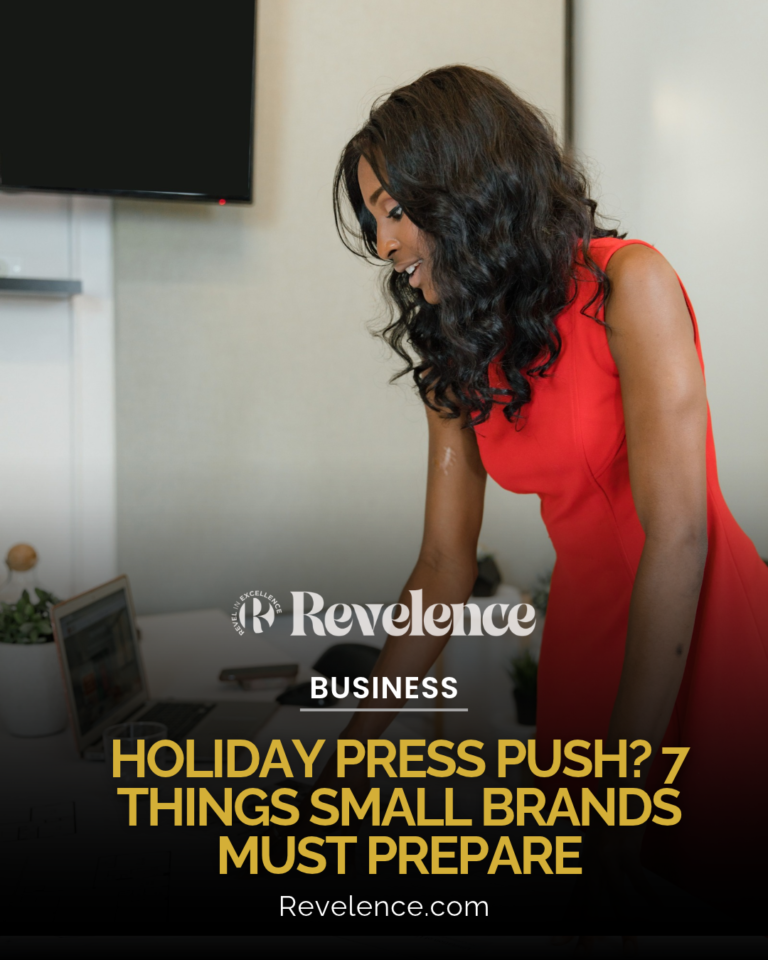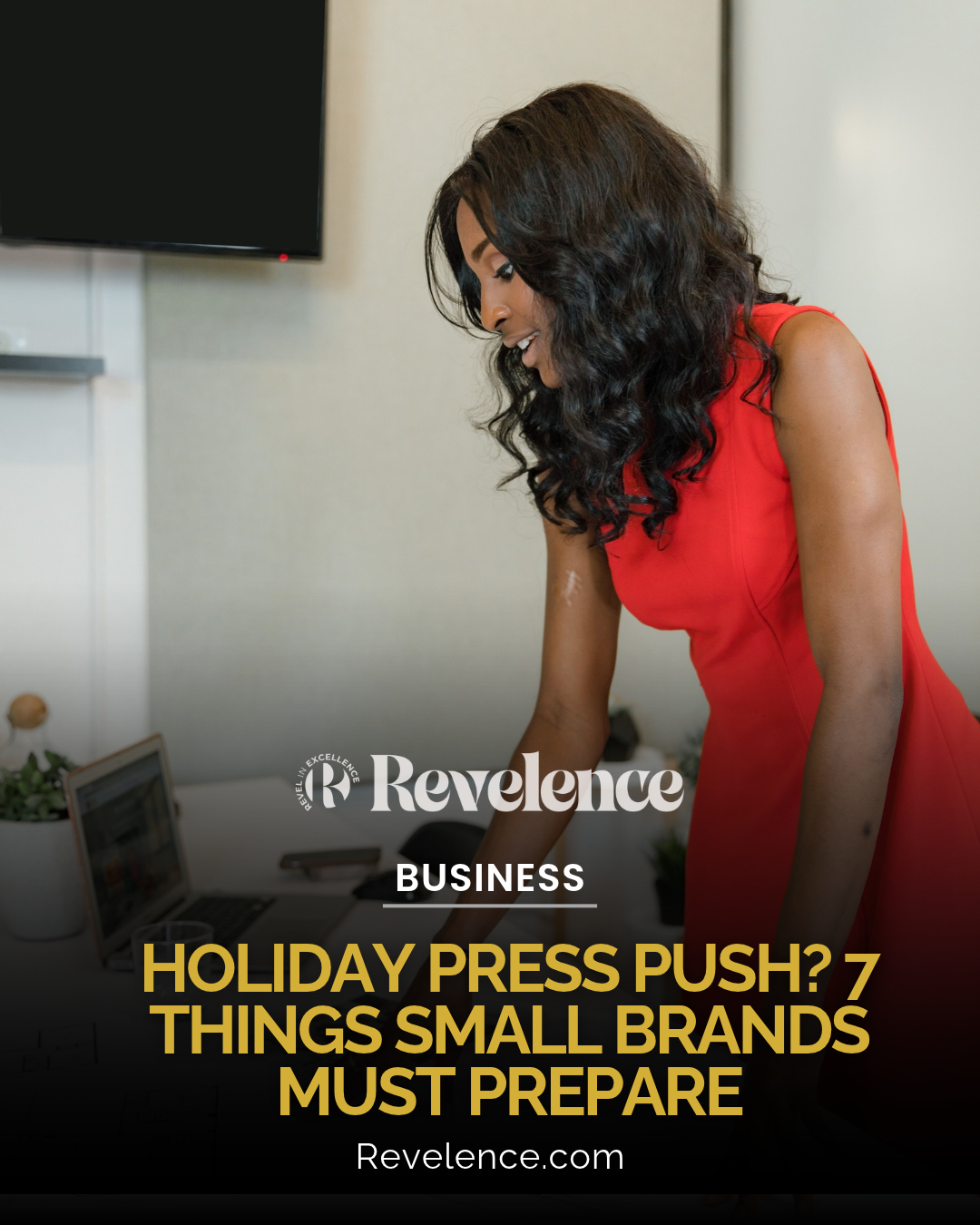
Photo by RDNE Stock project
The holiday season creates opportunities for small brands to attract new customers, build visibility and introduce their products to wider audiences. However, getting media attention during this busy period requires more than sending a few emails to journalists.
A successful holiday press push starts with preparation. Brands need enough time to approach relevant media outlets, professional images that editors can use, products that are ready to sell and a clear story worth sharing.
For small businesses, these details can make the difference between a pitch that receives attention and one that gets overlooked.
Whether you sell fashion, beauty products, home accessories or specialty gifts, preparing early can help your brand compete for seasonal coverage without wasting valuable resources.
Here are seven things every small brand should have in place before launching a holiday media campaign.
Start media outreach earlier than you think
One common mistake small brands make is waiting until the holiday season is already underway before contacting journalists.
Editors and writers often plan seasonal features, gift guides and shopping stories ahead of publication. Therefore, sending a pitch just days before a holiday may leave little time for consideration.
A practical approach is to begin planning several months ahead. For major holiday campaigns, consider starting media research and preparation three to six months in advance.
Your outreach schedule should also reflect the type of coverage you want. Gift guides, shopping roundups and product reviews may have different editorial deadlines.
Create a simple calendar that includes:
- Target publications and journalists.
- Expected editorial deadlines.
- Pitch submission dates.
- Product sample delivery dates, where applicable.
- Follow-up dates.
- Campaign launch and availability dates.
These timelines are planning guidelines, not guaranteed editorial deadlines. Always check individual publication requirements and ask journalists about their schedules when appropriate.
Prepare professional images editors can actually use
Strong photography can make your pitch easier for journalists to evaluate. However, attaching random product photographs is not enough.
Small brands should prepare a collection of high-quality, clearly labelled images before contacting the media.
Your press image folder should ideally include:
- High-resolution product photographs.
- Clean product images against simple backgrounds.
- Lifestyle photographs showing products in use.
- Campaign photographs suitable for holiday features.
- Brand or founder photographs, when relevant.
- Approved image captions and photographer credits.
Make sure the images represent the actual products being sold. Avoid heavily edited photographs that could mislead customers about colours, sizes or product details.
Store the images in an accessible folder and provide a shareable link. Journalists should not have to request basic photographs before deciding whether your product fits a story.
Confirm your inventory before generating publicity
Publicity can increase customer interest, but that attention becomes difficult to manage when a brand cannot fulfil orders.
Before launching a holiday press push, review your available inventory and production capacity.
Ask yourself whether you have enough stock to meet expected demand. Consider how quickly suppliers can replenish products and whether shipping materials are available.
Pay attention to the following:
- Current stock levels.
- Product availability and popular sizes.
- Supplier delivery schedules.
- Packaging and fulfilment capacity.
- Shipping deadlines.
- Returns and customer service arrangements.
If an item is limited edition or available for preorder, communicate that clearly. Do not promise delivery dates that your business cannot confidently meet.
A small brand does not need a warehouse full of products to attract media attention. It does need an honest understanding of what it can deliver.
Write a short pitch that gives journalists a reason to care
A press pitch should communicate the most important information quickly. Journalists receive many emails, particularly when seasonal coverage is being planned.
Your opening should explain who you are, what you are offering and why the story is relevant to the publication’s audience.
Avoid starting with a lengthy history of your company or exaggerated claims about your products.
Instead, focus on a specific angle. A beauty brand might pitch a holiday skincare gift guide, while an independent fashion label could introduce a collection featuring locally produced pieces.
A concise pitch should include:
- A clear and relevant subject line.
- A short introduction.
- The product, announcement or story angle.
- Why it fits the publication’s audience.
- Relevant product prices and availability.
- A link to approved images and additional information.
- Your contact details.
Example of a concise holiday pitch:
Subject: Holiday Gift Guide Consideration – [Brand Name]
Hello [Journalist’s Name],
I’m reaching out to introduce [Brand Name], a small business specialising in [product category].
For your upcoming holiday coverage, I would love to share our [specific product or collection] for consideration in your gift guide. The collection features [one clear selling point] and is available from [price].
Product photographs, descriptions and purchasing information are available here: [Press Kit Link].
Thank you for your consideration.
Best regards,
[Your Name]
[Brand Name]
[Contact Information]
Keep the message personal, relevant and easy to understand. Most importantly, only contact journalists whose coverage aligns with your product or story.
Make your press kit easy to access
A press kit gives journalists the information they need without requiring several rounds of emails.
It does not have to be expensive or complicated. A well-organised digital folder can provide everything a journalist needs to evaluate your brand.
Include your company background, founder biography, product descriptions, pricing, availability, approved images and contact information.
If your brand has received awards, secured notable partnerships or achieved meaningful milestones, include verified details.
Make sure every document is current. Outdated prices, unavailable products and broken links can undermine an otherwise strong pitch.
Follow up professionally without overwhelming journalists
Sending one email does not mean your work is finished. However, following up too frequently can damage a professional relationship.
Give journalists reasonable time to review your pitch. If you have not received a response, send one short, polite follow-up after approximately five to seven business days, unless the publication specifies a different process.
Your follow-up should remind the recipient of your original message and briefly restate why the story may interest their audience.
Avoid repeated emails, unsolicited phone calls or messages across several personal social media accounts.
Remember that journalists are not obligated to respond to every pitch. A lack of response does not necessarily mean your brand or product lacks value.
Prepare your website and customer service before coverage lands
Media attention can send potential customers directly to your website. Therefore, your online presence should be ready before the campaign begins.
Check that product pages contain accurate descriptions, clear photographs, prices and purchasing information.
Test your checkout process and confirm that customers can contact your business easily.
Also review your shipping information, return policies and frequently asked questions.
If your brand receives an unexpected increase in orders, make sure your team knows how to handle customer enquiries and fulfilment.
A press feature should create an opportunity for customers to discover your brand. A smooth shopping experience helps turn that interest into trust.
Build a holiday PR strategy that works for your brand
A successful holiday press push does not depend on having the biggest marketing budget. It depends on having a relevant story, organised materials and a realistic plan.
Small brands should prioritise early preparation, usable photography, accurate inventory information and concise media pitches.
Most importantly, remember that press coverage is not guaranteed. Journalists make independent editorial decisions, and even a well-prepared campaign may not secure every placement.
Focus on building genuine media relationships rather than sending the same promotional message to every publication.
When your products, press materials and business operations are ready, your brand will be better positioned to make the most of holiday media opportunities.
About the Author