Courtesy:, WIF
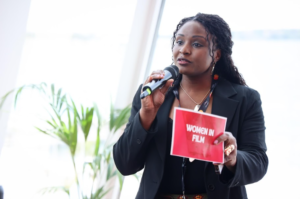
Women in Film and Campari joined forces at the 2026 Cannes Film Festival to spotlight women reshaping Global South cinema and expanding opportunities for African filmmakers on the world stage.
The event highlighted Women in Film’s growing partnerships across the Global South, including collaborations with WIFT Africa and WIF India. Together, the organizations are working to strengthen industry connections, map creative ecosystems and launch more than 10 new chapters worldwide to support women across entertainment and media.
At the heart of the celebration was a historic delegation representing 10 African nations. Organizers described it as the largest collective gathering of African women creatives ever assembled at the Cannes Film Festival.
WIFT Africa makes history at Cannes

One of the most significant milestones came with the launch of WIFT Africa’s first official booth at the Marché du Film.
The booth served as a central hub for filmmakers, producers, investors and distributors to connect directly with women leading Africa’s growing creative industries. Throughout the festival, the space hosted networking breakfasts, co-production discussions and financing meetings focused on strengthening African film infrastructure.
For many delegates, the booth represented unprecedented direct access to international industry decision-makers.
The delegation included representatives from seven established WIFT Africa chapters in Nigeria, Ghana, Kenya, Senegal, Cameroon, South Africa and Zambia. It also welcomed emerging chapters from Rwanda, Uganda and Côte d’Ivoire.
Together, the 10 participating countries reflected both the growth and increasing global influence of African cinema.
African producers gain global industry access

Women in Film Los Angeles and WIFT Africa also served as presenting sponsors of the Producers Network at the Marché du Film.
As part of the initiative, five African women producers received direct access to global financiers, collaborators and film executives during six days of programming.
The selected producers included:
- Shirley Frimpong Manso of Ghana
- Nicolette Ndigwe-Kalu of Nigeria
- Bea Wangondu of Kenya
- Bongiwe Selane of South Africa
- Alexandra Amon of Côte d’Ivoire
Organizers said the producers represented the creative ambition and commercial potential of modern African storytelling.
Delegation brought together industry leaders across Africa

Several chapter presidents and creative executives participated in the Cannes delegation.
The group included Becky Ngoma and Stephanie Dale from WIFT Zambia, Athi Petela and Naiwa Sithebe from WIFT South Africa, Adeola Kingsley James from WIFT Nigeria, Juliet Ibrahim from WIFT Ghana, Njoki Muhoho from WIFT Kenya, and Fatou Jupiter Toure and Aminata Diop Johnson from WIFT Senegal.
Tatapong Beyala from WIFT Cameroon also joined the delegation.
In addition, ecosystem partners such as DocuBox, the African Creative TV Program, the Nigeria International Film Summit and the Digital Creator Africa Academy participated in the initiative.
Their collective presence underscored how African film industries are becoming increasingly organized, collaborative and globally connected.
Why the Cannes moment matters

For years, African filmmakers have faced limited access to major global film platforms despite growing international demand for African stories.
The coordinated WIFT Africa presence at Cannes signaled a major shift. Rather than appearing individually, African women filmmakers arrived with a unified vision focused on visibility, financing and long-term industry growth.
Andria Wilson Mirza emphasized the importance of recognizing African and Global South markets as major drivers of change within the film industry.
She explained that bringing women producers into the Producers Network was designed to create long-term business and creative opportunities across the continent.
The future of African women in film

Africa’s creative economy continues to grow rapidly, and women remain central to that expansion.
The WIF and Campari event at Cannes 2026 served both as a celebration of progress and as a statement about the future direction of global cinema.
With new chapters launching worldwide and stronger industry infrastructure developing across Africa, organizers believe the next generation of African women filmmakers will enter a far more connected and empowered industry than previous generations.
Instead of fighting for representation, many hope future creators will already have a permanent seat at the table.
Source: Women in Film, Variety
About the Author