


Courtesy:KRIS 6 News
Courtesy:KRIS 6 News
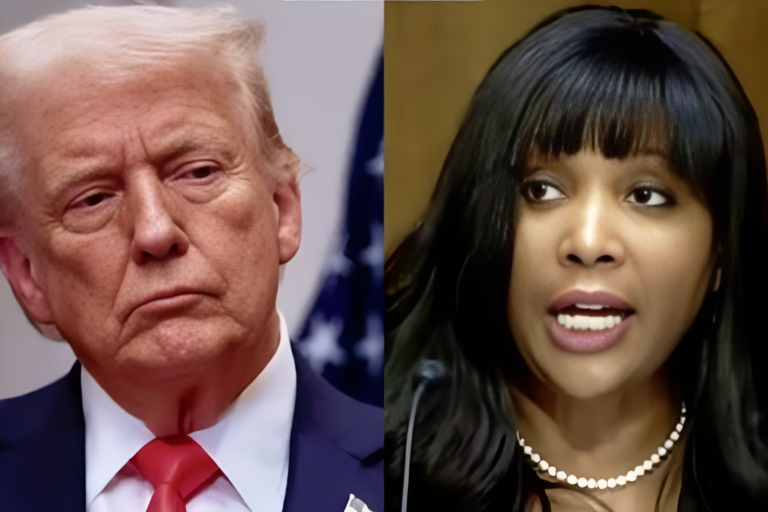
The U.S. House of Representatives is set to vote on the SAVE America Act, a voter ID bill strongly backed by President Donald Trump. The legislation would require proof of citizenship to register to vote and a government-issued photo ID at the ballot box. Proponents argue the measure strengthens election integrity, while critics warn it could create significant barriers for millions of Americans seeking to cast a ballot.
The bill, introduced by Rep. Chip Roy, R-Texas, has drawn attention from White House officials, congressional Republicans, and prominent online influencers. Advocates describe the measure as a necessary safeguard against voter fraud. However, opponents emphasize the potential impact on voters who may lack documentation, including young people, communities of color, and women with changed last names due to marriage.
Potential hurdles in the Senate
Even if the House passes the legislation, its path in the Senate remains uncertain. Senate rules require 60 votes to overcome a filibuster, a threshold that would be difficult to reach given bipartisan opposition. Democratic leaders have vowed to block the bill, and at least one Republican senator has voiced dissent. Senate Majority Leader John Thune of South Dakota indicated that attempts to modify the filibuster to ease passage are unlikely to succeed.
The SAVE Act’s critics argue the legislation risks disenfranchising millions. Reports from the Brennan Center for Justice and the University of Maryland’s Center for Democracy and Civic Engagement highlight that over 21 million Americans lack documents proving citizenship, and 2.6 million do not have government-issued photo ID.
Partisan stakes and election concerns
The bill’s timing and support reflect broader political dynamics. Republicans frame the legislation as a critical step in protecting the integrity of U.S. elections, while Democrats assert it is a strategy to consolidate power ahead of contentious midterm races. The debate underscores a deep partisan divide over voter access, election administration, and the federal government’s role in overseeing state-controlled election processes.
Supporters claim the measure closes loopholes and ensures only eligible citizens can vote. Opponents counter that documented cases of noncitizen voting are extremely rare and that the bill’s provisions could unfairly limit participation in the democratic process.
Previous iterations and legislative history
The SAVE Act follows a prior House proposal that required proof of citizenship but did not include voter ID requirements. That version passed the House but never received a vote in the Senate. Some legislators who supported the earlier bill have expressed concerns about the new version, describing it as significantly different and more restrictive.
These changes include requirements that could disproportionately affect vulnerable populations, sparking additional debate among policymakers and advocacy groups. The ongoing legislative discussion reflects the challenges in balancing security measures with maintaining broad access to the ballot.
Public reaction and political pressure
The legislation has also attracted commentary from national figures and online influencers. Pressure campaigns emphasize the bill’s perceived urgency, while advocacy groups highlight the risks of disenfranchisement. Analysts note that the debate over voter ID and citizenship verification continues to be a central flashpoint in U.S. politics, particularly as the nation approaches midterm elections.
Regardless of the outcome, the SAVE Act debate is expected to dominate discussions in Washington, influencing broader conversations about election security, voter participation, and partisan strategy.
Sources: CNBC, Brennan Center for Justice, University of Maryland Center for Democracy and Civic Engagement
About the Author






1 thought on “House to vote on “Save Act” voter id bill that could change everything”