Alarming US-bound flight diverted after Ebola scare
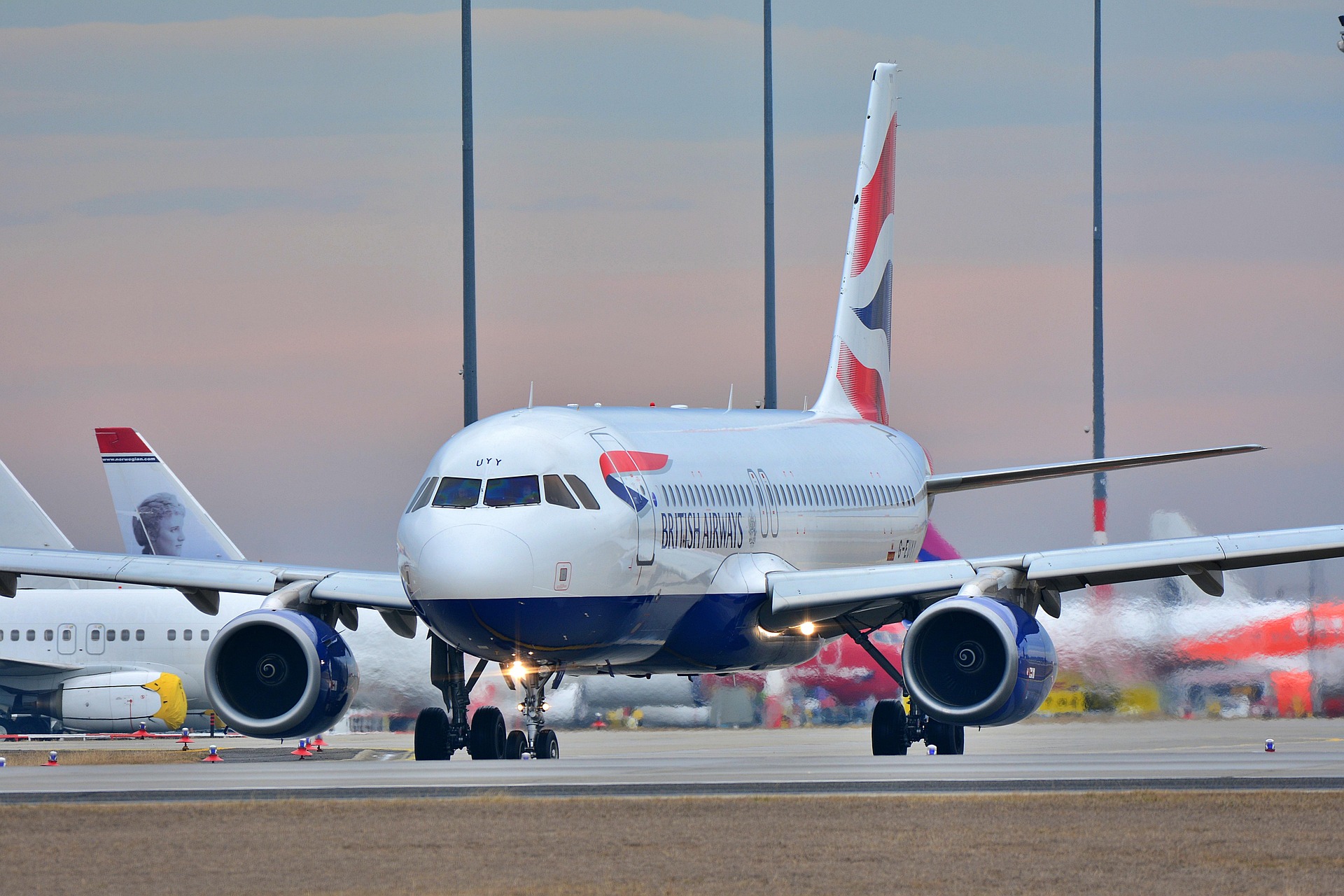
Courtesy:steve001-airbus from pixabay

A transatlantic flight from Paris to Detroit triggered a major diversion after authorities flagged a passenger linked to an Ebola-affected region. The incident forced an Air France aircraft to land in Canada instead of continuing to the United States, highlighting strict border screening rules tied to global health concerns.
The flight ultimately diverted to Montréal-Pierre Elliott Trudeau International Airport after US officials raised concerns about a passenger who boarded in error. The traveler had recently been in the Democratic Republic of Congo, where an ongoing Ebola outbreak has prompted heightened international monitoring.
The situation unfolded mid-flight as US Customs and Border Protection intervened and instructed that the plane could not land in Detroit as planned.
Passenger error triggers emergency diversion
Air France operated the flight from Paris to Detroit Metropolitan Wayne County Airport when the issue surfaced. The airline later confirmed that a passenger from the Democratic Republic of Congo should not have boarded under current US entry restrictions.
US authorities restrict entry for travelers who have recently been in certain central African countries affected by Ebola outbreaks, including the Democratic Republic of Congo. The rules aim to limit the spread of the virus through international travel routes.
Officials confirmed the passenger boarded the aircraft in error. Once the issue came to light, authorities ordered the flight to divert to Montreal, located roughly 500 miles from the original destination.
Cabin crew followed safety protocols during the diversion. Passengers received instructions mid-flight as the aircraft changed course. After landing in Canada, the airline later arranged for travelers to continue to Detroit on the same aircraft.
Ebola outbreak drives strict US entry controls
The diversion comes as health officials continue to monitor an Ebola outbreak in central Africa that has caused nearly 140 reported deaths and more than 600 suspected cases, according to public health data cited by international agencies.
The World Health Organization has declared the outbreak a public health emergency of international concern. The organization has warned that containment remains difficult due to the virus strain and regional instability in affected areas.
The Centers for Disease Control and Prevention in the United States has assessed the overall risk to the public as relatively low. However, it continues to enforce strict entry measures for travelers who may have been exposed in affected regions.
Under current rules, non-US citizens or non-residents who have recently traveled in high-risk countries cannot enter the United States without enhanced screening procedures. US citizens and permanent residents who qualify must enter through designated airports for additional health checks.
Airline and border agencies coordinate response
Air France and US Customs and Border Protection coordinated the diversion decision. CBP confirmed it blocked the aircraft from landing in Detroit after identifying the issue.
Authorities said they took immediate action to prevent potential health risks and ensure compliance with US entry rules. The aircraft then rerouted to Montreal, where Canadian authorities handled the landing and processing.
Passengers eventually resumed their journey to Detroit after the diversion. No evidence has indicated that any traveler on board showed symptoms of Ebola during the incident.
The episode highlights how international aviation systems respond quickly to potential public health concerns, even when the risk level remains low.
Global health concerns continue to shape travel rules
Ebola remains one of the most closely monitored viral diseases due to its severity and historical outbreaks in central and West Africa. Although rare, the virus prompts strict international coordination when cases emerge.
Health authorities continue to emphasize screening, travel restrictions, and rapid response protocols to prevent cross-border transmission. Airlines, border agencies, and health organizations often work together in real time when travel incidents involve high-risk regions.
In this case, officials confirmed that the diversion resulted from a procedural error rather than an active medical emergency. Still, the incident underscores how quickly global travel routes can shift when public health safeguards are triggered.
Source : BBC News
About the Author

Praise Swint
Wpseo_editor
Praise Swint is a contributor at Revelence, covering stories across news, entertainment, and culture.