Why Amazon is closing all Go and Fresh stores now?
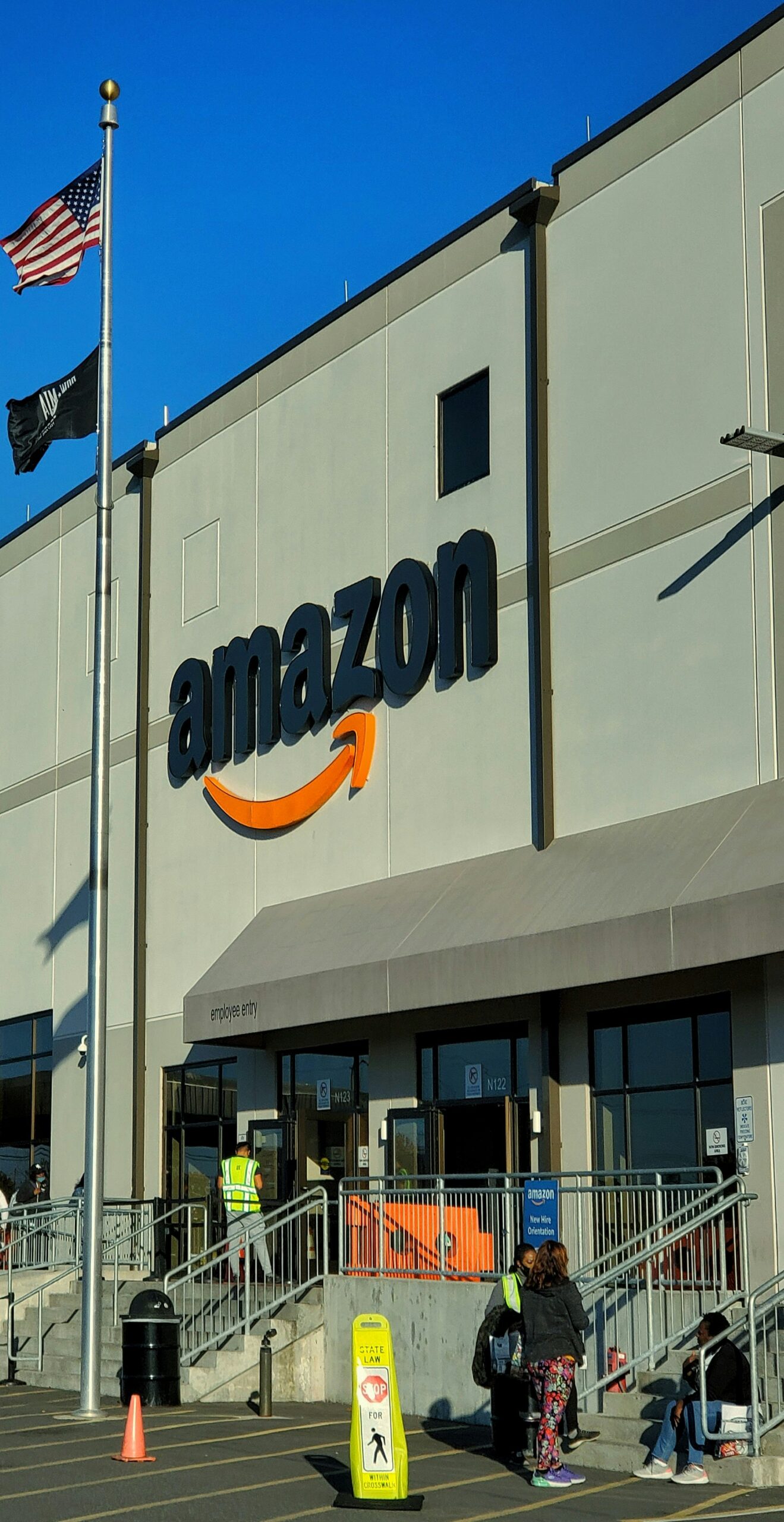
Courtesy: yender-gonzalez from unsplash
Courtesy: yender-gonzalez from unsplash
Amazon is officially stepping away from its Amazon Go and Amazon Fresh store concepts, marking a decisive shift in how the company approaches physical retail in the United States. The move reflects a broader effort to streamline operations, double down on profitable segments and realign its brick-and-mortar strategy with changing consumer habits.
The company confirmed that every Amazon Go convenience store and Amazon Fresh grocery location will be shut down. Some of the affected properties will not disappear entirely, as select locations are expected to reopen under the Whole Foods Market brand.
Why Amazon is closing Amazon Go and Amazon Fresh
Amazon Go and Amazon Fresh were once seen as experimental cornerstones of Amazon’s physical retail future. Amazon Go introduced cashierless technology designed to speed up shopping, while Amazon Fresh aimed to challenge traditional grocery chains with competitive pricing and tech-forward features.
Over time, however, the concepts struggled to scale in a cost-efficient way. Operating expenses, staffing challenges and uneven customer traffic made it difficult for the stores to deliver consistent profitability. As Amazon continues to reassess its investments, leadership appears focused on areas with clearer returns and broader customer reach.
A renewed focus on same-day delivery
One of the biggest takeaways from the closures is Amazon’s renewed emphasis on same-day delivery. The company has invested heavily in logistics, regional fulfillment centers and transportation networks designed to get products to customers faster than ever.
By redirecting resources away from underperforming physical stores, Amazon can strengthen its delivery infrastructure and meet rising consumer expectations for speed and convenience. Same-day delivery has become a competitive differentiator in e-commerce, and Amazon is signaling that it plans to lead that race.
Whole Foods becomes the centerpiece of physical retail
Rather than exiting physical retail altogether, Amazon is narrowing its focus. Whole Foods Market remains the company’s primary in-store brand, and the conversion of some Amazon Go and Amazon Fresh locations reinforces that commitment.
Whole Foods offers stronger brand recognition, a loyal customer base and a clearer identity within the grocery sector. The chain also integrates more seamlessly with Amazon’s Prime ecosystem, offering discounts and perks that encourage repeat visits and cross-platform spending.
By consolidating its physical footprint under a single, established banner, Amazon can simplify operations while still maintaining a presence in local communities.
A shift toward larger-format retail concepts
In addition to Whole Foods, Amazon is continuing to explore large-format retail stores that combine online and offline shopping experiences. These spaces are designed to showcase a wider range of products, handle returns and serve as hubs for customer engagement.
This approach allows Amazon to leverage its logistical strengths while avoiding the high costs and limited margins associated with small convenience-style stores. The closures suggest that Amazon believes scale and flexibility matter more than novelty when it comes to physical retail.
What this means for shoppers and employees
For customers, the changes may result in fewer Amazon-branded storefronts but faster delivery options and more Whole Foods locations in select markets. Shoppers who relied on Amazon Go or Amazon Fresh for quick trips may need to adjust, while Whole Foods customers could see expanded access and remodeled stores.
Employees at the affected locations face uncertainty, though Amazon has indicated that some roles may transition to other parts of the business as stores convert or close.
A clear signal of Amazon’s evolving strategy
The shutdown of Amazon Go and Amazon Fresh stores underscores Amazon’s willingness to move quickly when strategies no longer align with long-term goals. Rather than spreading itself across multiple experimental formats, the company is choosing focus, efficiency and scale.
As Amazon continues to refine its retail model, the message is clear: speed, integration and proven brands now take priority over physical retail experimentation.
Source: The Wall Street Journal
About the Author

Praise Swint
Wpseo_editor
Praise Swint is a contributor at Revelence, covering stories across news, entertainment, and culture.