7 Eleven to close 600 stores ahead of major overhaul
Courtesy:arun-tripathi from unsplash
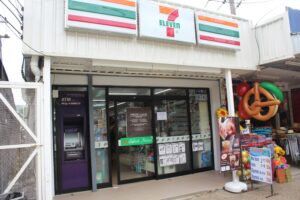
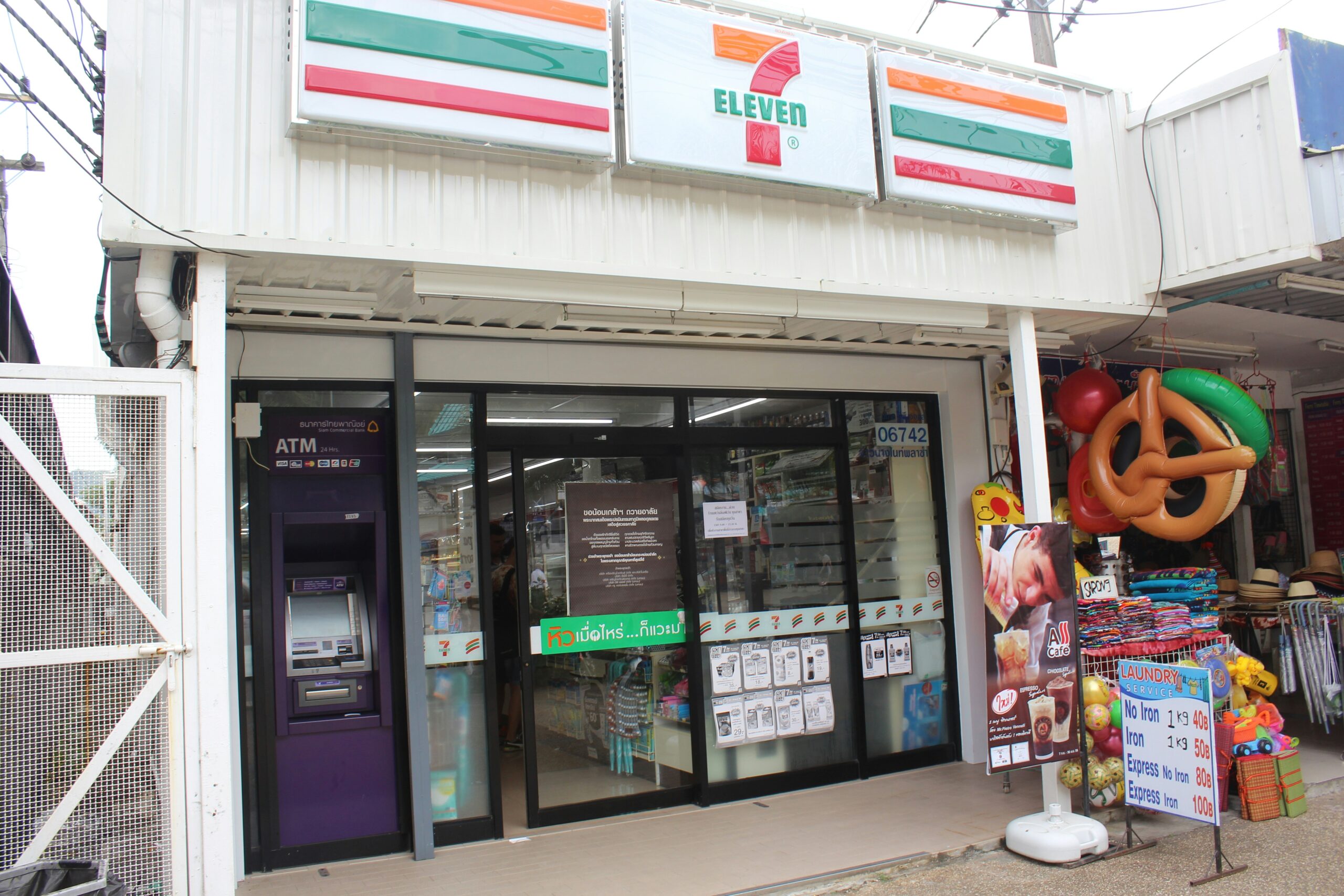
7 Eleven is making a major shift in how it operates, closing hundreds of locations while reimagining what its stores will look like in the future.
The convenience giant confirmed plans to shut down 645 stores during its 2026 fiscal year as part of a broader strategy aimed at modernizing the brand. Rather than signaling a retreat, the move reflects a larger transformation designed to adapt to changing consumer habits and increased competition in the retail space.
At the center of the shift is a new approach that prioritizes food, larger store formats and a more immersive in-store experience.
A shift away from the traditional convenience model
For decades, 7 Eleven built its identity around quick stops and grab-and-go items. That model is now evolving as customer expectations change and rival chains expand their offerings.
Brands like Wawa and Sheetz have raised the bar by blending convenience retail with made-to-order meals and upgraded store layouts. In response, 7 Eleven is leaning into a similar direction, aiming to offer more than just snacks and beverages.
The company’s updated vision focuses on creating destinations where customers can spend more time, rather than simply passing through.
Hundreds of store closures reshape the footprint
The decision to close 645 stores is part of what the company describes as optimizing its portfolio. Underperforming locations are being phased out as the brand shifts resources toward higher-performing and more modern stores.
This move follows a pattern already in motion. Over the past two years, more than 600 locations have been shut down, including a significant number in North America.
The closures reflect broader challenges facing the convenience sector, including declining cigarette sales, reduced foot traffic and ongoing economic pressures.
Bigger stores with more food take center stage
While some locations are closing, others are being redesigned with a stronger focus on food and beverages. These updated stores feature expanded menus, more prepared meal options and a wider variety of products.
Early results suggest the strategy is gaining traction. The company has indicated that these food-focused locations are generating higher average daily sales compared to traditional stores.
The shift signals a move toward a fast casual experience, where customers can find full meals alongside classic convenience items.
Expansion continues despite closures
Even as closures make headlines, 7 Eleven is still growing its footprint. The company plans to open new locations, including more than 100 stores this year and an even larger number in the following year.
This approach highlights a balancing act between reducing underperforming sites and investing in locations that align with the company’s updated vision.
The expansion also includes new formats, such as larger stores and specialized fuel locations, which may not always be counted in traditional store totals.
A long term strategy tied to future plans
Behind the transformation is a broader business goal tied to its parent company, Seven and I Holdings. The company is preparing for a potential public offering of the 7 Eleven business, now expected in 2027.
The ongoing changes, including closures, upgrades and menu expansions, are part of efforts to strengthen performance ahead of that move.
At the same time, the company is introducing new food offerings inspired by international flavors, moving further away from its traditional lineup.
A convenience brand redefined
The changes underway signal more than a routine update. They represent a fundamental shift in how 7 Eleven sees its role in the retail landscape.
By focusing on food, larger stores and a refreshed customer experience, the brand is attempting to stay competitive in a market that continues to evolve.
As it approaches its 100th anniversary, 7 Eleven is betting that fewer stores paired with stronger offerings will better meet modern consumer expectations.
For customers, the result could be a very different kind of convenience store experience, one that blends quick access with more substantial options.
Source: New York Post
About the Author

Praise Swint
Wpseo_editor
Praise Swint is a contributor at Revelence, covering stories across news, entertainment, and culture.