Courtesy:JohnsonFlau'jae

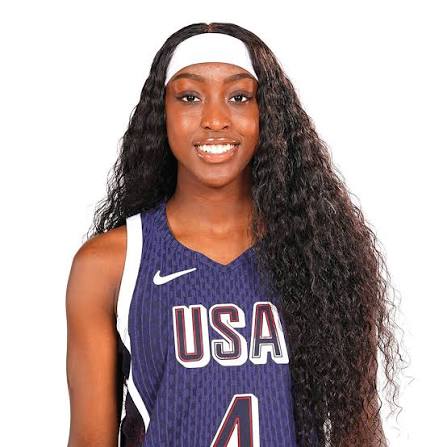
The 2026 WNBA Draft delivered one of its most talked-about moments when the Golden State Valkyries made a swift and unexpected move involving rising star Flau’jae Johnson. After selecting the former LSU Tigers standout with the No. 8 overall pick, the franchise dealt her to the Seattle Storm less than an hour later.
The quick turnaround immediately became a major storyline of the night, raising questions about the Valkyries’ strategy and long-term roster plans. While draft-night trades are not uncommon in professional basketball, the speed and profile of this move set it apart.
A pre-planned move reshapes the night
The trade was not a spontaneous decision. Golden State’s front office had already laid the groundwork before submitting the selection. By choosing Johnson at No. 8, the team effectively executed a pre-arranged deal that sent her rights to Seattle.
In return, the Valkyries received a 2028 second-round draft pick and the rights to Spanish forward Marta Suarez, who had just been selected at No. 16. The exchange suggests Golden State is prioritizing future flexibility and specific roster construction over immediate star power.
Johnson, widely regarded as one of the most recognizable players in the draft class, entered the professional ranks following a decorated college career that included a national championship and a steady rise up LSU’s record books.
Silence from leadership fuels speculation
Following the draft, Valkyries general manager Ohemaa Nyanin chose a measured approach when discussing the move. She emphasized the importance of evaluating how players align with the team’s system but did not provide detailed reasoning behind trading a high-profile pick so quickly.
Questions surrounding potential salary cap considerations were also left unanswered, adding another layer of intrigue. The lack of specifics has only intensified fan curiosity, as many attempt to understand how a player of Johnson’s caliber did not fit into Golden State’s immediate plans.
For an expansion franchise still defining its identity after its inaugural season, the decision to move on from a recognizable talent has sparked ongoing debate about priorities and vision.
Seattle embraces a new cornerstone
While Golden State remained reserved, Seattle took a more forward-looking stance. Storm general manager Talisa Rhea signaled strong belief in Johnson’s potential, viewing her as a key addition to the franchise’s future.
The Storm had been exploring opportunities to move up in the draft and did not anticipate a player with Johnson’s résumé being available at that point. Her arrival gives Seattle a dynamic guard with scoring ability, leadership experience and a growing national profile.
Johnson’s transition to the WNBA comes after a standout collegiate run that combined on-court success with increasing visibility beyond basketball, positioning her as one of the league’s most marketable young players.
A defining moment for both franchises
The trade now stands as a defining early moment in the 2026 WNBA season for both organizations. For Golden State, the move reflects a calculated approach centered on long-term planning and roster balance. For Seattle, it represents an opportunity to invest in a player who could shape the team’s direction for years to come.
As the season unfolds, the success of this deal will likely be measured not just by Johnson’s performance, but by how effectively the Valkyries utilize the assets they acquired.
For now, the decision remains one of the most discussed outcomes of draft night, underscoring how a single move can shift expectations and spark league-wide conversation.
Source: BET
About the Author