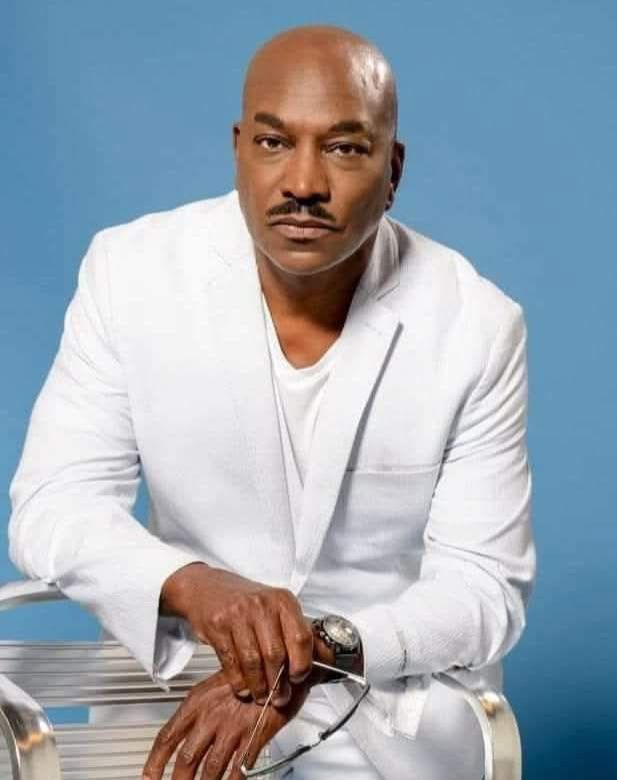
Courtesy:CliftonPowell
Clifton Powell never had a plan. No five-year strategy, no carefully curated brand just a kid from the block who wanted to play football, ended up on a stage, and somehow never looked back.
Forty-six years, dozens of films, and one iconic villain later, Powell is still showing up and still surprising people. At 70, he’s pescatarian, 70 pounds lighter, newly engaged, and as candid as ever about the journey: the broke years, the relationships that saved him, and why he has never once forgotten the people who believed in him before anyone else did.
Now he’s back with Return of the Mack: Back for da Smoke, a gritty Detroit-set film tackling incarceration, fatherhood, and human trafficking and he’s got a message for anyone who’ll listen: go make it a hit.
Clifton, what drew you to Return of the Mack, and how did you find your way to Detective Calhoun?
I get a lot of flack for doing a lot of independent movies. I’ve done A-list Hollywood movies, I’ve done B-list Hollywood movies. I do whatever I want to do. I never had a plan, so I didn’t allow myself to get sucked into any kind of hole just doing movies, or just doing commercials, or just doing television. I’m just a working actor. Me, Denzel, Sam, we all come out of New York. We only moved to LA to make a better living. I didn’t even think about being famous I was just trying to make a living.
Kamal Smith, the director of Return of the Mack, is a friend of mine. I met him probably about 10 or 15 years ago, and I was broke. I was doing a play, I’d come out of my divorce, and Kamal put me in that play and put some dollars in my pocket. We just built a friendship. So when he called me for Return of the Mack, it was automatic.
I never forgot the people who held me down when I had nothing. It’s easy to forget people when you’re doing well. I never forgot anybody, because when you’re struggling, man, it’s tough.
Clifton, this film tackles heavy themes incarceration, fatherhood, human trafficking. What responsibility does storytelling carry when it reflects realities this close to home?
What art does is mirror what goes on in society. When Kamal sent me the script, I read it and said, I want to be a part of this. I have a daughter, I have nieces, I have nephews and it’s not just females. It’s males, females, young and old. I was just reading something on the news the other day where a 16-year-old girl almost got snatched off the streets.
I didn’t want to play one of the bad guys, so I said, let me play one of the cops. This movie addresses something that’s happening right now in real time, and I’m glad to be a part of it.
Clifton, how did the energy of Detroit shape the performances on screen?
Detroit has a long history of wonderful, wonderful talent. I came through there years ago when we did My Brother Marvin, and a lot of the folks in that play were from Detroit. Motown, the talent that comes out of that city when you know you’re going to Detroit, you gotta get yourself together and bring your A-game. It’s a very smart audience, a very critical audience, which they should be. Detroit comes hard. They know what’s real in the streets. That’s what it is.
Clifton, when people leave the theater, what do you hope stays with them?
How do you protect your children? How do you protect yourself? How do you protect the people in your community? And it’s not just Black folks this is happening across the board. Sex trafficking, organ trafficking it’s really big in this country, and we have to continue to fight vigilantly against it.
The other day, a young lady who got snatched off the street walked into a store and mouthed, “help.” The clerk figured it out, and they arrested the man who snatched her. That just happened a few days ago. Hopefully people will take away a message of vigilance, and hope, and being on guard to protect our children.
Clifton, what has been your personal blueprint for longevity in this business?
I’m just blessed, that’s all I can say. My mother died tragically when I was 4. My father was a dysfunctional alcoholic. I was raising myself at 7, but I had so many people who helped raise me teachers, friends’ families, my sister Marianne Brown, God rest her soul. My nephew James Brown, the sportscaster, helped raise me too, and a lot of people don’t know that.
When I first got into the business, I made a decision that I wasn’t going to do drugs. I watched my drinking I didn’t start until I was 26 because I have alcoholism in my family. Right now, at 70, I’ve been a pescatarian for the last five years and I’ve lost about 70 pounds in the last four years. I want to finish well. I didn’t want to start well and finish bad.
I wake up every morning, I pray and I meditate, and I never take any of it for granted. A guy recognized me in Biloxi, Mississippi the other day just walked up and said he loved everything I do. That’s a blessing. And I never forget the people who were there when I had nothing. Kathleen Colin has been my friend for about 35 years she held me down when I was a broke actor and she’s still my friend. All my teachers, all my agents, the woman I live with now, my kids all of that keeps you going.
Rapid fire with Clifton Powell
Clifton, one word to describe your acting style.
The Stanislavsky system method acting, like De Niro, Pacino. I try to find the heart, mind, and soul of the character. Me, Sam, Denzel we all studied the same system. It deals with the internal mind of the character, and that’s why those performances are so riveting. You’re doing it for real.
A role you wish you could revisit.
I’d love to do Menace II Society again, so Lorenz can come back and get Caine. And I’d love another shot at playing Dr. King. I played him in Selma, Lord, Selma, and a lot of people didn’t see that. I’d love to get that chance again.
Theater or film what feeds you more?
Theater. I love live theater. I make a living doing film, but if somebody called me to do a great play on Broadway, I’ll be right there.
Actor you admire most, dead or alive.
Sidney Poitier has got to be the guy.
Actor you’d most want to collaborate with.
Denzel Washington.
A performance of yours that you feel is underrated.
Playing Dr. King in Selma, Lord, Selma. A lot of people didn’t see that, and there’s a lot of political stuff behind why that went the way it did.
Favorite line you’ve ever delivered.
“Don’t bite the hand that feeds you.”
If you weren’t acting, what would you be doing?
I’d probably be a social worker. When I came out of college, I was a counselor. I wanted to do youth work and help make sure young people keep their lives on track. So I probably would have gone into social work.
One thing fans would be surprised to learn about you.
I’m clumsy as hell. I’m falling down all over the place. You ever see the person who’s got their sandwich, their drink, their chips and then knocks all of it over? That’s me.
Return of the Mack: Back for da Smoke is in theaters and on demand now. Follow Clifton Powell on social media and check out Deb Is Boss on All Black. For updates on his upcoming film platform and projects in development, stay tuned to his official pages.
About the Author