Courtesy;Nedra Talley

Nedra Talley Ross dies at 80, and with her passing goes the last living link to one of the most celebrated girl groups in music history. The Ronettes confirmed the news on their official Facebook page, describing Talley Ross as a light to all who knew and loved her. No cause of death was announced.
Talley Ross was a founding member of the Ronettes alongside her cousins Veronica “Ronnie” Bennett, later known as Ronnie Spector, and Estelle Bennett. Together, the three women from New York helped define the sound of early 1960s American pop music and left a mark on rock and roll that has never faded.
From New York sock hops to rock and roll history
Talley Ross was born in Manhattan on Jan. 27, 1946, of Black, Native American, Irish, and Puerto Rican descent. She began singing with her cousins as a child, performing at New York sock hops and bar mitzvahs before the group signed with Colpix Records in 1961.
Their early recordings struggled to find an audience. That changed in 1963 when the group cold-called the New York office of producer Phil Spector, whose legendary Wall of Sound was already dominating American radio. Spector signed them immediately after hearing Ronnie sing, and the Ronettes were never the same again.
Their debut single under Spector, “Be My Baby,” reached No. 2 nationally and became one of the most recognizable songs in pop history. Director Martin Scorsese later used it memorably in his 1973 film “Mean Streets.” A string of top 40 hits followed throughout 1964, including “Baby I Love You,” “Walking in the Rain,” and “Do I Love You.”
Breaking barriers and building a legacy
The Ronettes did more than make great music. They broke racial barriers at a time when three young women of Puerto Rican and Black descent appearing on national television and opening concerts for the Beatles was still a rarity. Their influence reached artists across every genre and generation, from Bruce Springsteen and Billy Joel to the Ramones and the New York Dolls.
The group toured the United Kingdom with the Rolling Stones serving as their opening act. They also opened for the Beatles on their final world tour in 1966. Despite their cultural impact, the Ronettes spent decades fighting Phil Spector in court over unpaid royalties. A judge ordered Spector to pay the group $2.6 million in 2000.
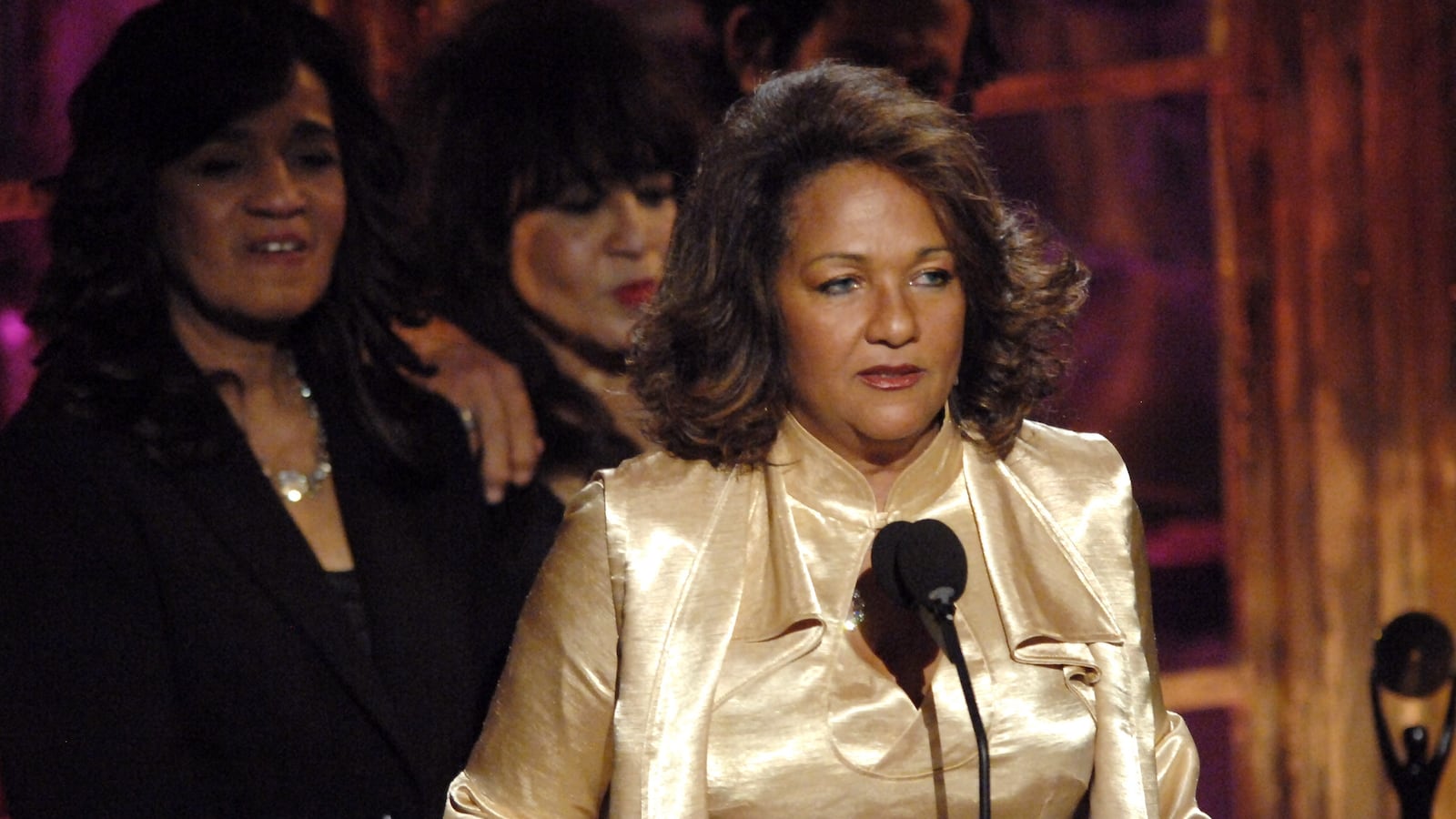
Recognition from the music industry came later than it should have. Spector, who sat on the Rock and Roll Hall of Fame’s Board of Governors, blocked their nomination for years. The group was finally inducted in 2007, with Keith Richards presenting the honor, after Spector had been arrested and convicted in the shooting death of actress Lana Clarkson.
The last of the three
Talley Ross outlived both of her cousins. Estelle Bennett died in 2009, and Ronnie Spector passed away in January 2022. After the Ronettes disbanded in 1967, Talley Ross pursued a solo career and released a contemporary Christian music album in 1978.
Source: Adapted from reporting by Variety
About the Author