Photo credit: Fatima Ameaka (x)
A Johns Hopkins University public health researcher is back out of immigration custody after spending several days in federal detention across three states. Her case now raises complicated questions about immigration enforcement and work authorization that remain unresolved even after her release.
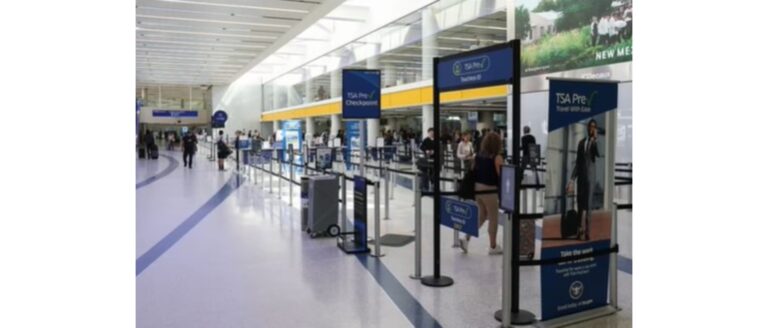
Fatima Ameaka, who is originally from Cameroon, was detained by US Immigration and Customs Enforcement on July 28. Officers took her into custody while she boarded a domestic flight at Baltimore-Washington International Thurgood Marshall Airport. According to her attorney, she walked free Friday night. The Department of Homeland Security says Ameaka overstayed her visa, while her lawyer maintains she had a pending asylum application along with valid employment authorization.
Why ICE detained the Johns Hopkins researcher
DHS says Ameaka’s visa expired on June 13, 2024. The agency argues that overstaying it made her subject to immigration enforcement. That is the agency’s central position in the case.
Her attorney, Benjamin Osorio, points to a different part of her immigration history. According to reporting based on documents and statements from her legal team, Ameaka held a pending asylum application and a valid employment authorization document at the time of her arrest. That distinction matters, since a work permit does not automatically resolve every question about someone’s broader immigration status.
How Ameaka could hold a work permit and still face detention
US Citizenship and Immigration Services allows certain people with pending asylum applications to seek employment authorization. Under the asylum EAD system, applicants can generally apply once their case has been pending for 150 days. They may become eligible for authorization after 180 days, depending on the rules governing the asylum clock.
However, an employment authorization document does not by itself guarantee protection against detention or removal proceedings. That helps explain why observers cannot reduce Ameaka’s case to a simple question of whether she was legally allowed to work. The full details of her underlying immigration case, along with ICE’s specific reasoning for detaining her, remain central to understanding what happened.
View this post on Instagram
Where authorities held the Johns Hopkins researcher
Officials moved Ameaka through several federal facilities across the country during her detention. After her arrest at BWI in Maryland, authorities transferred her to facilities in Virginia, Louisiana and eventually Texas. That timeline comes from her attorney and regional reporting on her case. She walked out of a facility in Harlingen, Texas, on Friday night and went to a nearby hotel. Her attorney said Johns Hopkins colleagues planned to travel to Texas to bring her home.
What comes next for Fatima Ameaka
Ameaka’s release does not necessarily end her immigration case. She has an immigration court date scheduled for August 10 in Annandale, Virginia, though her attorney said that hearing could be rescheduled or moved following her release.
The case also arrives amid growing attention to immigration arrests occurring at US airports. Ameaka is the second known person connected to a Baltimore-area university detained by ICE in recent weeks, following the earlier arrest of University of Maryland instructor Berhanu Kibret. For Ameaka, the immediate outcome is freedom from detention, but the larger legal questions surrounding her visa status, asylum case and work authorization remain unresolved.
About the Author