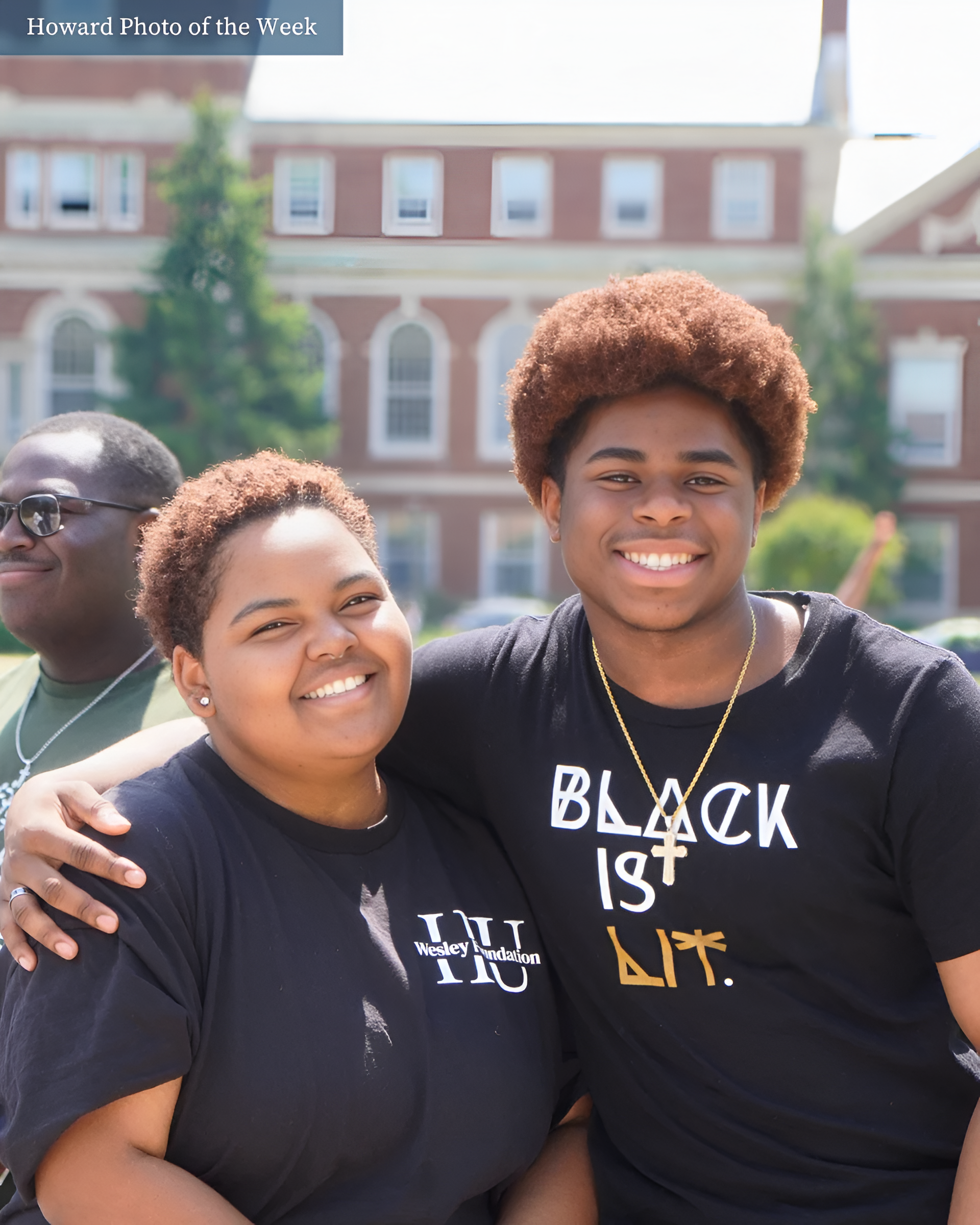
Photo credit: Howard University (X)
Howard University’s decision to rescind enrollment for dozens of students over unpaid balances has left families frustrated and searching for answers, even as school officials defend the policy as standard procedure. Students affected by the decision describe a process marked by confusion, limited communication and, in some cases, no clear resolution at all.
One student, Blackmon, said she believes the fallout will overshadow everything positive Howard has to offer, adding that she now plans to attend Western Michigan University instead. Her experience reflects a broader pattern among the affected students, many of whom say they believed they had met the school’s payment requirements before losing their enrollment.
What families say happened during the unenrollment process
When Howard rescinded 17-year-old Yuisa Davis’s enrollment, her mother flew from the family’s home in Puerto Rico on July 28 to seek answers directly. An administrative official told Davis’s parents she could not answer their questions and then called security, according to the family. The Davises say they paid what they believed they owed, but the university reversed the enrollment anyway, without explanation or a clear path to resolve it. The school never reversed its decision.
Yuisa Davis, who often visited Howard as a child, described losing access to opportunities she never got the chance to properly address. She is now working with The New School in New York City to explore financial aid options there instead. Her father, Kenneth Davis, said the treatment they received from Howard differed sharply from what they experienced elsewhere.
How Howard University explains its position
Interim President Wayne A.I. Frederick told the Associated Press last month that the university simply followed its standard payment policy. He noted that 2,200 students did meet the requirements on time. According to Frederick, unenrolled students and their families did not properly read school communications about a July 10 deadline covering half of their unpaid balance, after financial aid was factored in.
Frederick said students who followed the process correctly deserve a smooth start to the semester, including meeting professors on the first day of class and having their housing arrangements finalized. He noted the school previously had to scramble to secure enough student housing and adjunct professors to accommodate enrollment numbers.
However, some students insist they did follow the requirements correctly. Blackmon said her scholarship was never properly included in her outstanding balance. After repeated calls and emails, the school eventually reinstated her enrollment, though she says officials never fully explained what went wrong in the first place.
Where the accountability actually lies
Ashley Christopher, an attorney, Howard alumna and founder of HBCU Week, believes the university shares responsibility for the confusion. She said many students appear to have received inaccurate information from the school itself. According to Christopher, taking accountability for a misstep does not mean ignoring shared responsibility between the university, students and their families.
Frederick, for his part, argued that how Howard has managed the unenrollment and reenrollment process ultimately reflects positively on the institution. He said the situation reinforces the university’s reputation as a high-performing institution on the administrative side.
Why Howard’s reputation likely survives this moment
Howard, nearly 160 years old, remains one of roughly 100 HBCUs in the country and counts former Vice President Kamala Harris and actor Chadwick Boseman among its notable alumni. The school maintains a six-year graduation rate of 70% and a retention rate of 90%, according to federal education data, and consistently ranks as the top HBCU according to Forbes.
Attending Howard costs more than $66,000 annually, while the median income for four-year graduates sits around $73,000, according to Department of Education figures. Frederick noted Howard has graduated more Black doctors than any other university in the country.
Christopher, who described the unenrollment issue as a scandal, does not believe it will meaningfully damage Howard’s long-term reputation as a leading institution in Black education. She said Howard has long served as a blueprint for HBCUs nationwide, consistently producing top graduates and standing at the top of the list when it comes to overall impact among HBCU institutions.
About the Author