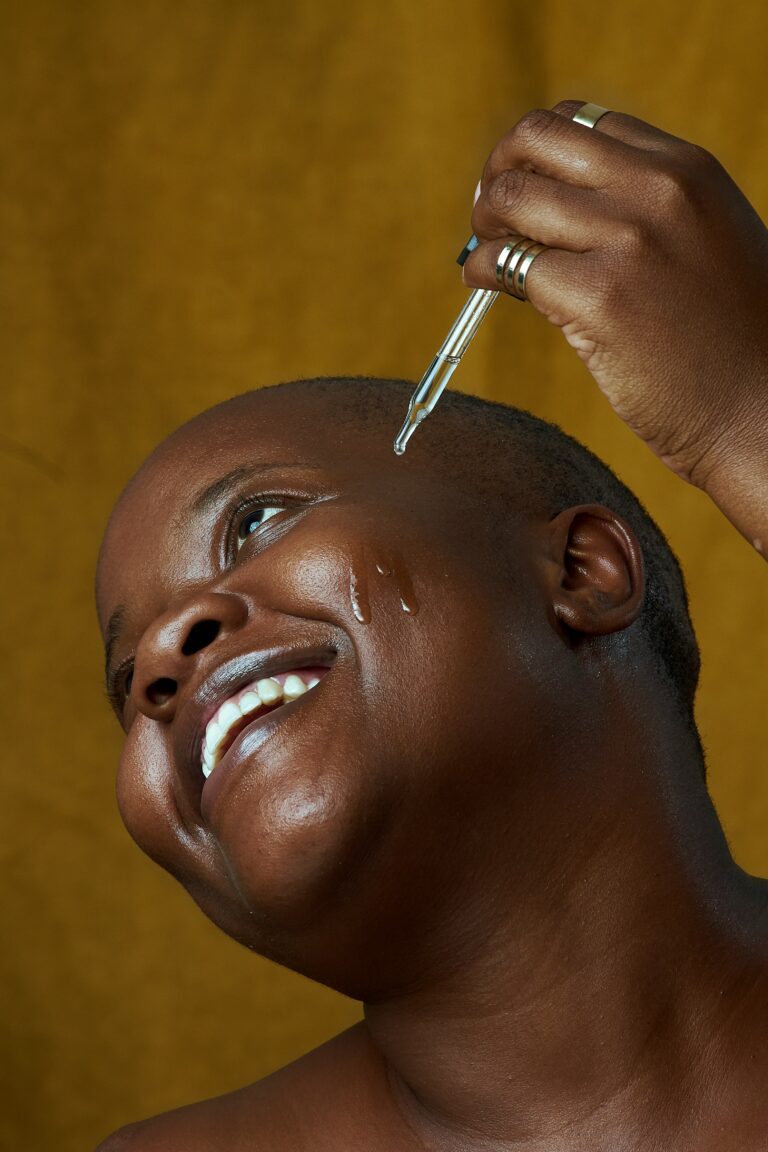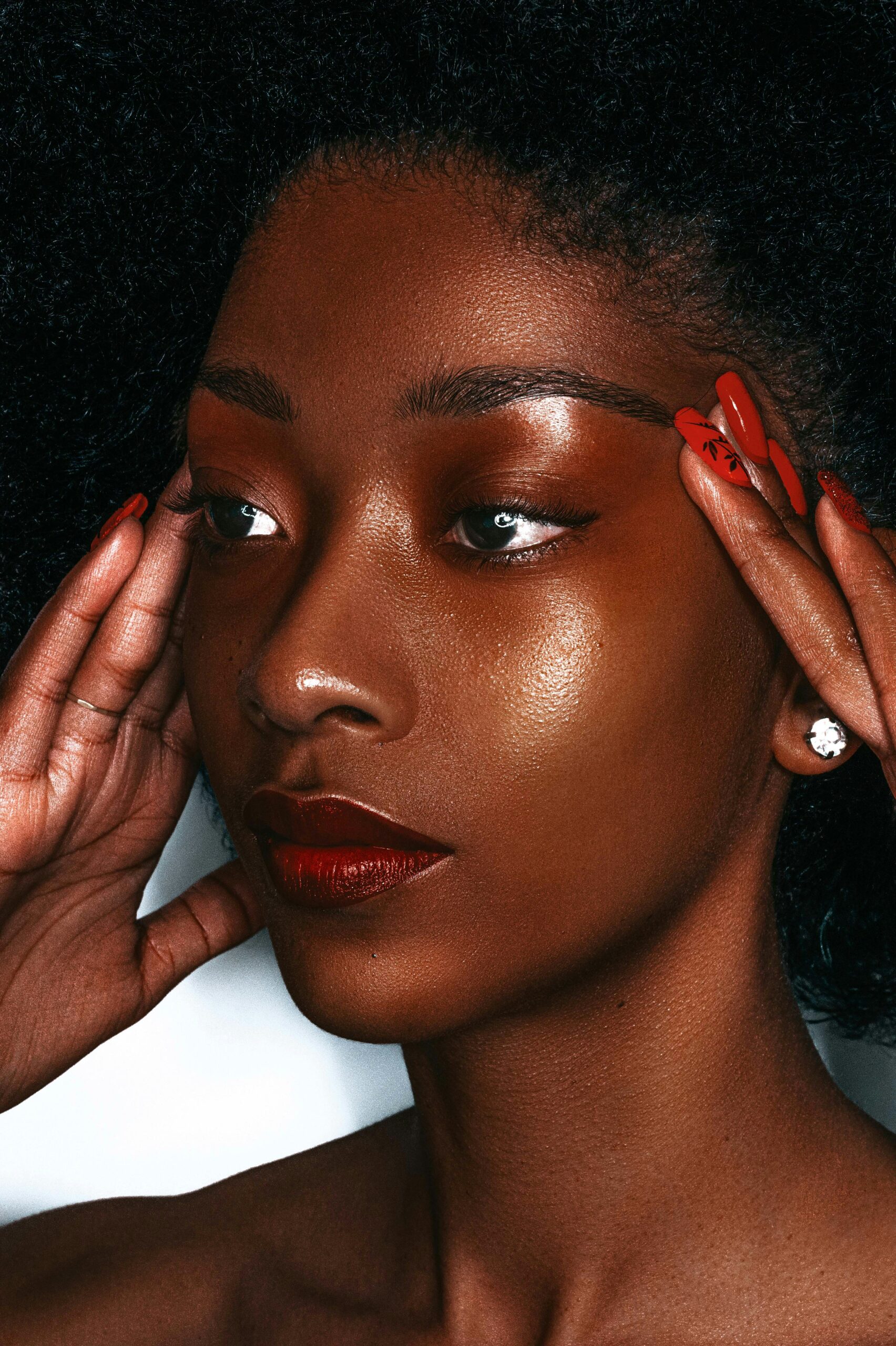
Photo by Reece van der Merwe on Unsplash
Every glowing complexion has a story behind it. For many Black women, that story starts in the kitchen cabinet rather than the beauty aisle. Natural products for glowing black skin have been passed down for generations, long before skincare brands turned them into marketing buzzwords.
These ingredients work because melanin-rich skin has unique needs. Therefore, understanding what actually delivers results matters more than chasing trends.
Shea butter remains the foundation
Shea butter sits at the center of most Black skincare routines, and for good reason. It’s rich in vitamins A and E, along with fatty acids that lock in moisture for hours. Moreover, its anti-inflammatory properties help calm irritation and support the skin’s natural barrier.
Raw, unrefined shea butter works best since processing strips away many of its active compounds. Applying it to damp skin after a shower helps it absorb more effectively, leaving skin soft rather than greasy.
Black soap targets uneven tone
African black soap has earned its reputation as a genuine skin-clarifying tool. Made from plantain skins, cocoa pods, and palm oil, it gently exfoliates while helping fade dark spots and razor bumps. Consequently, many women use it as part of a routine targeting hyperpigmentation and post-breakout marks.
Because authentic black soap can be drying with overuse, pairing it with a rich moisturizer afterward keeps skin balanced. Additionally, checking for genuine, minimally processed versions matters, since many mass-market products dilute the formula.
Coconut oil supports hair, not always skin
Coconut oil earns its place in the natural beauty conversation primarily through hair care. Its fatty acid structure penetrates the hair shaft rather than sitting on the surface, making it effective for reducing protein loss and improving overall hair strength.
On skin, however, coconut oil requires caution. It carries a high comedogenic rating, meaning it can clog pores and trigger breakouts. As a result, it works better as a body moisturizer than a facial product for anyone prone to acne.
Turmeric brightens and calms
Turmeric has featured in South Asian and African beauty traditions for centuries, and its active compound, curcumin, delivers real anti-inflammatory and antioxidant benefits. Mixing turmeric powder with honey or yogurt creates a brightening mask that many women use weekly.
Because turmeric stains, thorough rinsing after five to ten minutes prevents unwanted yellow tinting. A patch test beforehand also helps avoid irritation for those with sensitive skin.
Honey delivers visible hydration
Raw honey acts as a natural humectant, drawing moisture from the air and holding it against the skin. It also contains antimicrobial and antioxidant compounds that support healing and reduce redness. Applying a thin layer for fifteen minutes creates a simple, effective mask.
Manuka honey, in particular, carries the highest documented antibacterial activity. Consequently, many people reach for it specifically to treat acne-prone areas.
Consistency makes the biggest difference
No single ingredient works overnight. Real results come from consistent use over weeks, not a one-time application. Moreover, matching the right ingredient to the right skin concern matters more than layering on multiple products at once.
Patch testing new ingredients, using clean applicators, and storing natural products properly all protect against irritation and contamination. Ultimately, the glow so many admire comes from patience paired with ingredients that have stood the test of time.
Source: Revelence
About the Author