Photo credit: attorneycrump
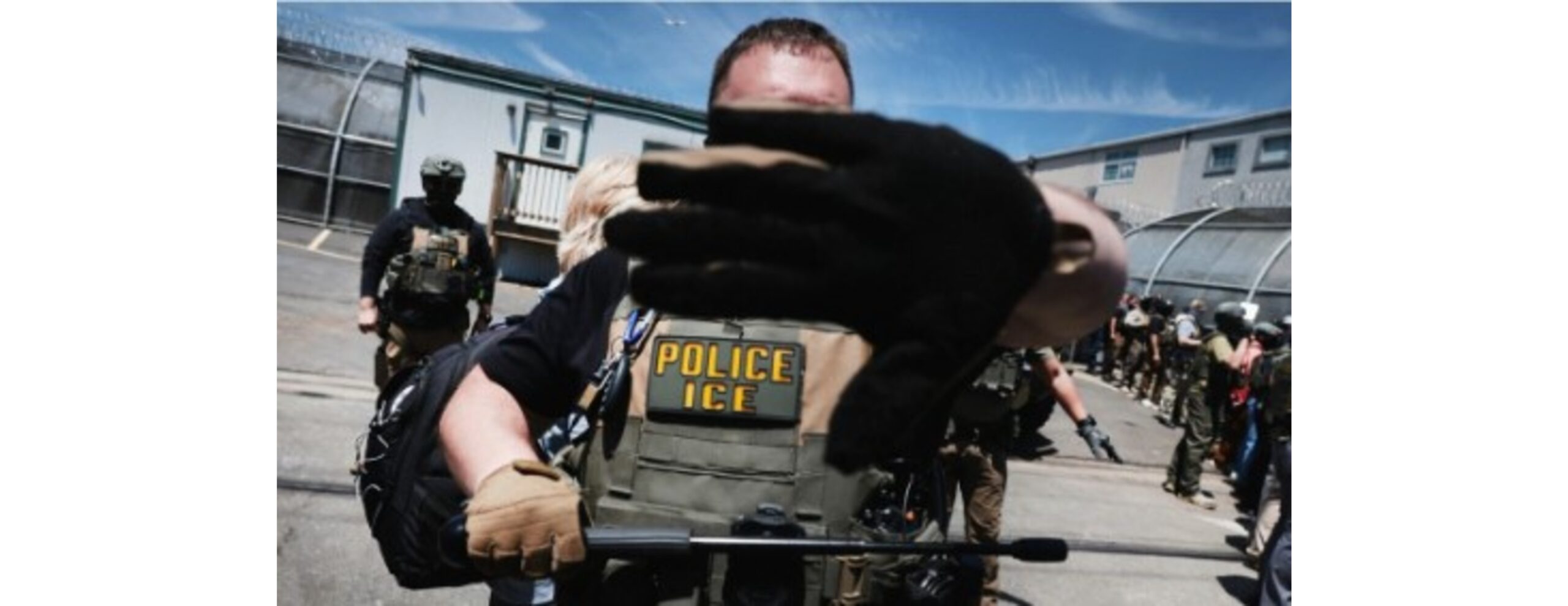
ICE officers involved in deadly-force incidents will now remain off regular street duty while their actions are investigated, according to a newly reported policy change.
The new approach means officers involved in deadly-force incidents will remain on administrative assignments while investigators review what happened.
The policy represents a change from the previous practice, which could allow officers to return to regular duties before an investigation was complete.
Why ICE officers will remain off the streets
Keeping ICE officers away from regular enforcement duties during an investigation could provide investigators with more time to examine the circumstances surrounding an incident.
The policy does not automatically determine whether an officer violated any law or agency rule. Instead, investigators must review the available evidence before officials decide whether further action is necessary.
Attorney Ben Crump discussed the change in an Instagram post, saying that officers should not return to the streets before a deadly-force investigation is complete.
Crump argued that accountability and public safety should remain priorities when law enforcement officers are involved in deadly-force incidents.
The policy comes as immigration enforcement has become a major focus of public debate.
ICE officers face increased scrutiny
ICE and other federal immigration agencies have faced questions about the use of force during enforcement operations.
Several incidents involving federal immigration officers have attracted national attention and prompted calls for greater transparency.
The reported policy change could affect how ICE handles officers after deadly-force incidents. Rather than allowing an officer to quickly resume regular field duties, the agency will keep the officer away from those assignments while the investigation continues.
The length of each investigation can vary depending on the circumstances and the agencies involved.
What happens after ICE officers use deadly force?
Investigators can review several types of evidence after a deadly-force incident.
That evidence may include body-camera footage, surveillance video, witness accounts, physical evidence and reports from officers who were involved.
The investigation can help authorities determine what happened and whether the officer followed applicable policies and laws.
Keeping ICE officers off regular street assignments during that process does not mean an officer has been found responsible for wrongdoing.
Instead, it separates the investigation from the officer’s normal enforcement duties.
Body cameras can also play an important role in reviewing incidents involving federal officers. Oversight groups have continued to examine how ICE uses body-worn cameras and how footage from enforcement operations is handled.
New ICE policy puts investigations first
The reported policy change gives investigators more time to review deadly-force incidents before officers return to regular field assignments.
Supporters of the approach say keeping involved officers off the streets during an investigation can strengthen accountability and public confidence.
Critics may still argue that administrative assignments and internal investigations do not provide enough independent oversight.
The policy also does not resolve broader questions about how ICE officers use force during immigration enforcement operations.
For now, the new rule represents a notable shift in how ICE handles officers following deadly-force incidents.
As immigration enforcement continues across the country, the agency’s use-of-force policies and investigative procedures are likely to remain under close public scrutiny.
View this post on Instagram
Source: The Atlantic, U.S. Immigration and Customs Enforcement and Attorney Ben Crump’s public statement.
About the Author