Photo credit: Reuters
Demand for weight-loss drugs in Brazil has surged, but the popularity of medications such as Mounjaro and Wegovy is creating a growing black market.
Brazil has become one of the world’s biggest markets for weight-loss medications. However, limited purchasing power and strong demand for rapid weight loss are pushing some consumers toward compounded, smuggled and unapproved products.
Authorities have discovered weight-loss medications hidden in unusual places, including motorcycle exhaust pipes, false shoe soles and jars of dulce de leche.
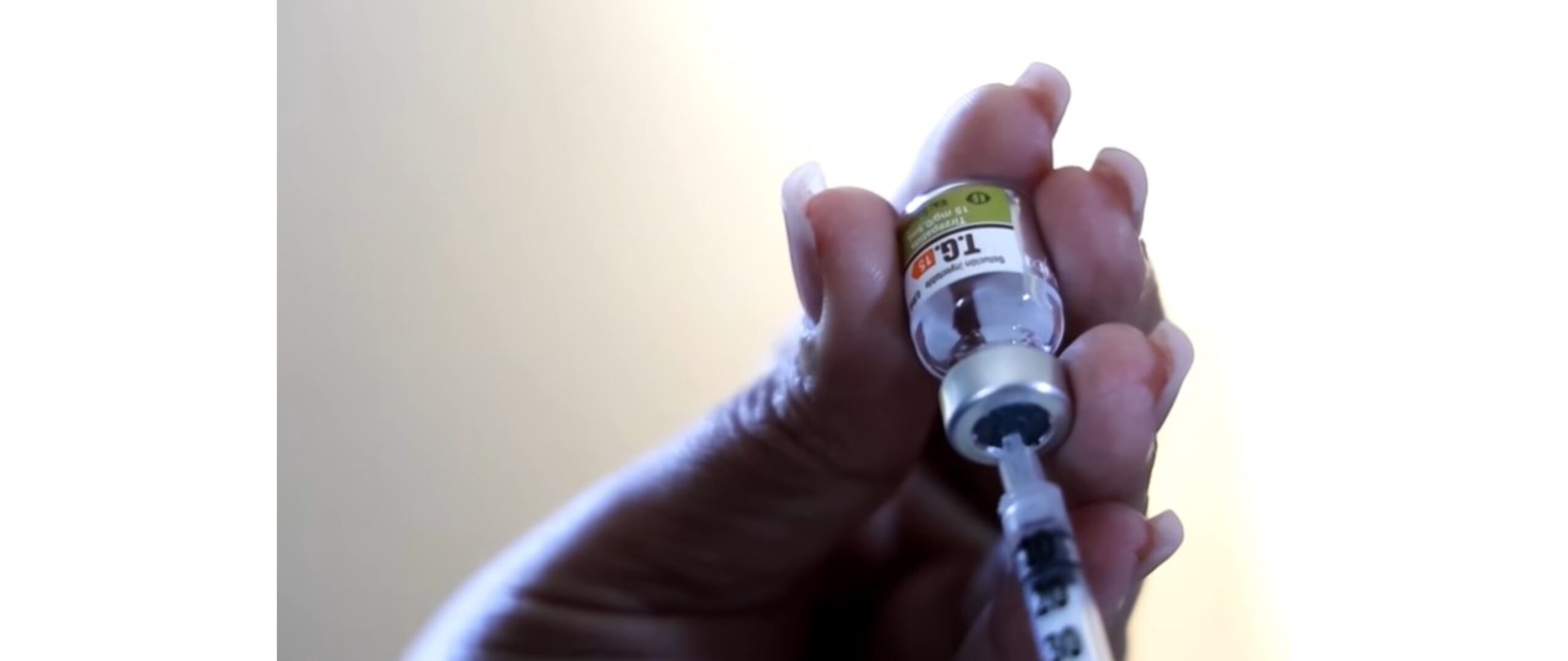
In April, Brazilian customs officials searching a tourist bus arriving from Paraguay found hundreds of tirzepatide vials hidden inside jars of the sweet spread.
The seizure eventually totaled more than 2,500 vials, according to Brazil’s Federal Revenue Service.
Smuggled weight-loss drugs raise concerns
The growing black market has raised concerns among Brazilian health officials and medical professionals.
GLP-1 medications have become increasingly popular because of their ability to help with weight management. But experts warn that drugs obtained outside regulated channels can create additional risks.
Between 2018 and mid-August 2026, Brazilian authorities recorded 83 deaths under investigation and more than 3,600 complications linked to weight-loss drugs.
More than 60% of those complications were reported during 2025 and 2026.
Reuters noted that it could not independently establish how much unauthorized GLP-1 products contributed to the deaths and complications. However, experts told the news agency that untracked versions of the medications may have played a significant role.
Brazil becomes a major GLP-1 market
The demand for weight-loss medications has made Brazil an important market for GLP-1 drugs.
According to Euromonitor International, about 5.5% of Brazil’s population uses GLP-1 treatments, compared with a global average of 3.7%.
Millions of Brazilians have therefore tried the medications as interest in weight management continues to grow.
The country’s beauty-focused culture has also helped fuel demand.
Brazil is already known internationally for its cosmetic and plastic surgery industry, attracting both residents and tourists seeking treatments at comparatively affordable prices.
Illegal weight-loss drugs are cheaper
Price is another major factor behind the black market.
A four-week supply of the lowest dose of Mounjaro in Brazil costs about $290, according to the Reuters report. A high-dose Wegovy box costs close to $340 through an online patient support program.
By comparison, some products imported illegally from Paraguay are considerably cheaper.
One Brazilian woman interviewed by Reuters said she earns about $300 per month and pays approximately $75 every six weeks for a Paraguayan product called T.G.
The price difference can make unauthorized medications appealing to consumers who cannot afford brand-name treatments.
However, cheaper does not necessarily mean safer.
Health risks linked to unregulated injections
Doctors and pharmacists told Reuters that improper storage and exposure to heat can damage injectable medications.
That is particularly concerning when drugs are transported through unofficial supply chains without reliable temperature controls.
Brazil’s health regulator, Anvisa, has also warned about potential risks associated with improper use of GLP-1 medications.
The drugs can be associated with acute pancreatitis, while their effect on digestion can create concerns around anesthesia. Anvisa has also reported an increase in cases of acute pancreatitis linked to improper use.
The risks can become even more serious when people increase doses without medical supervision.
Compounded drugs add another concern
Not every non-brand medication is illegal.
According to Anvisa, compounded medications in Brazil must meet technical requirements and undergo local inspections. Smuggled products, however, bypass the country’s official evaluation process.
Andreia Kohout, pharmaceutical director of the Brazilian Anti-Counterfeiting Association, told Reuters that some consumers mistakenly believe compounded medications are identical to brand-name drugs.
She also warned that the compounded market promoted by influencers can include unreliable suppliers.
That distinction is important as consumers search for less expensive alternatives to popular weight-loss medications.
Brazil approves cheaper alternatives
Brazilian authorities are hoping that more affordable, authorized medications can reduce demand for illegal imports.
In May, Anvisa approved Ozivy, described in the Reuters report as Brazil’s first domestic alternative to Novo Nordisk’s Ozempic.
The medication can cost less than $100 for a four-week supply.
Anvisa has since approved additional brands as regulators attempt to provide consumers with safer options at more accessible prices.
Anvisa Director-President Leandro Safatle said controlling demand is difficult, but consumers may choose regulated medications when they are available at prices similar to unauthorized products.
Deaths remain under investigation
Brazilian authorities are still investigating more than 80 deaths associated with weight-loss drugs.
One case involved a 31-year-old woman who died suddenly after using a weight-loss medication without consulting a health professional.
A medical examiner told Reuters that her blood sugar dropped severely after a dose, causing her to lose consciousness and choke.
Reuters could not establish which weight-loss medication she had been using.
The case highlights the dangers of using prescription medications without appropriate medical guidance.
The black market continues to grow
Despite the health concerns, demand for weight-loss drugs remains strong.
Nationwide seizures of illegal GLP-1 medications increased dramatically, rising from 609 units in 2024 to 60,787 in 2025, according to the Brazilian Anti-Counterfeiting Association.
Seizures have continued to increase sharply in 2026.
Doctors say the medications are increasingly easy to find outside traditional pharmacies, with some being sold through informal networks.
As Brazil’s weight-loss drug market continues expanding, authorities face a difficult challenge: meeting consumer demand while preventing unsafe products from reaching patients.
For now, officials are betting that greater access to affordable, regulated medications can help weaken the black market.
But with thousands of reported complications and dozens of deaths under investigation, the country’s weight-loss drug boom continues to raise serious public health concerns.
Source: Reuters via U.S. News & World Report.
About the Author