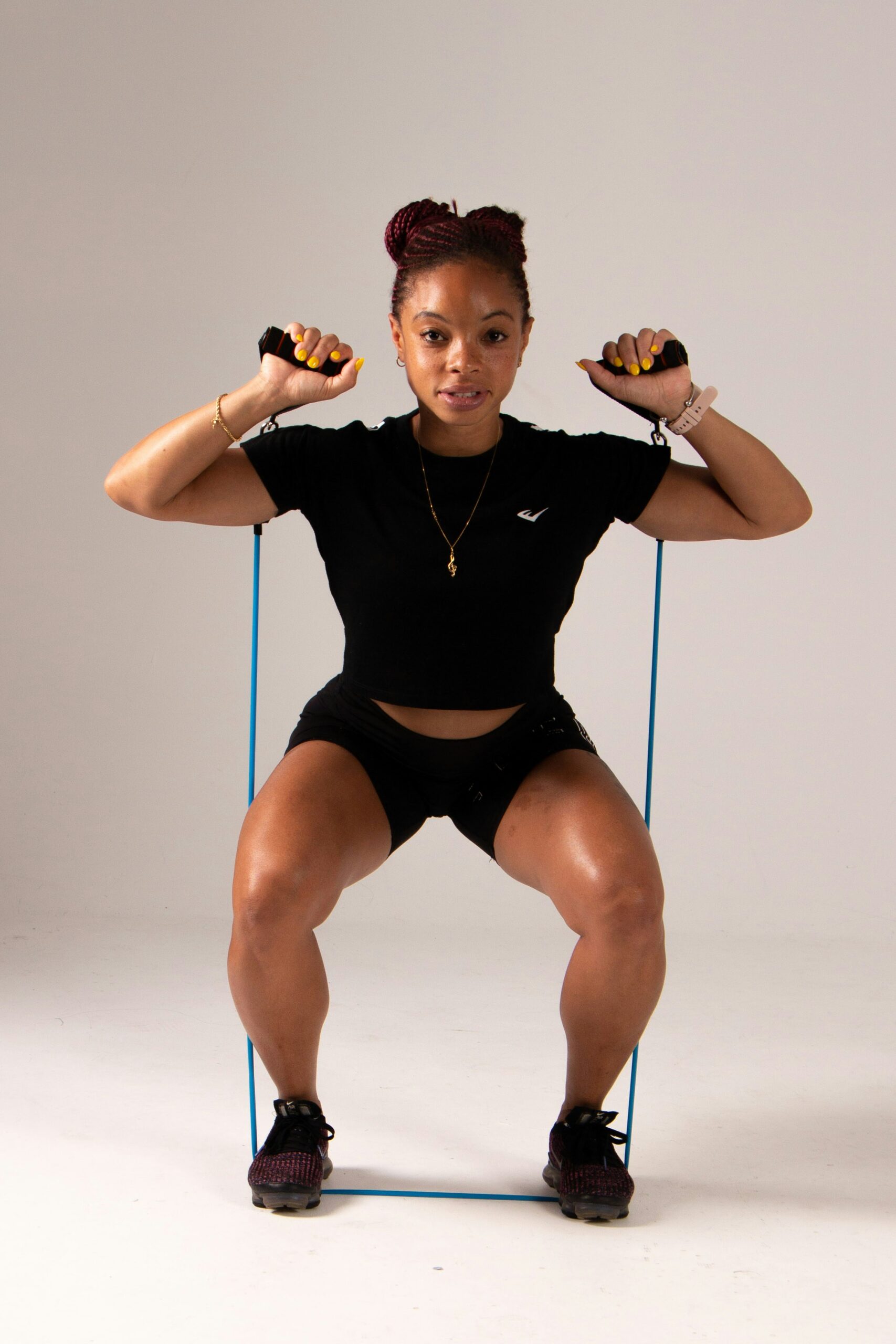
Photo by Luke Aguaita on Unsplash
Many people believe curves come down purely to genetics. However, learning how to build curves naturally through targeted strength training and proper nutrition can meaningfully change your shape over time. The glutes and hips respond directly to resistance training, making them one of the most trainable areas of the body.
This approach takes patience and consistency, but the results last far longer than any quick fix.
Why strength training builds real curves
Muscle growth requires progressive resistance, meaning muscles need increasing challenge over time to grow. Exercises like squats, hip thrusts, and lunges specifically target the glutes, the muscle group most responsible for curves at the hips and backside.
Consequently, consistent strength training two to four times per week builds muscle mass in these areas gradually. Unlike spot-reducing fat, which isn’t possible, building muscle through targeted training genuinely reshapes the body over months of consistent effort.
The best exercises for building curves
Hip thrusts remain one of the most effective exercises for glute development, since they place direct tension on the muscle through its full range of motion. Squats and deadlifts also build significant lower-body muscle while engaging the glutes, hamstrings, and core simultaneously.
Additionally, exercises like Bulgarian split squats and cable kickbacks isolate the glutes further, helping target muscle growth more precisely. Combining compound movements with isolation exercises typically produces the most noticeable results over time.
Nutrition supports the muscle-building process
Muscle growth requires adequate protein intake, since protein provides the building blocks needed for muscle repair and growth. Most people aiming to build muscle benefit from consuming roughly 0.7 to 1 gram of protein per pound of body weight daily.
Moreover, muscle growth also requires enough overall calories to support recovery. Severely restricting calories while strength training makes it significantly harder to build muscle, since the body lacks the resources needed for growth.
Avoiding fat gain while building muscle
Building curves without unwanted fat gain comes down to eating in a slight calorie surplus, rather than a large one. A modest surplus of 100 to 300 calories above maintenance level supports muscle growth while minimizing excess fat storage.
Additionally, prioritizing whole foods, like lean proteins, vegetables, and complex carbohydrates, over processed foods helps control calorie intake naturally without constant restriction or tracking.
Consistency matters more than intensity
Visible muscle growth typically takes several months of consistent training, not days or weeks. Therefore, sticking to a structured routine matters more than occasional intense workouts. Progressive overload, meaning gradually increasing weight or resistance over time, remains the most important factor in long-term muscle development.
Rest and recovery play an equally important role, since muscles grow during recovery periods rather than during the workout itself. Aiming for seven to nine hours of sleep nightly supports this recovery process significantly.
Building curves the sustainable way
There’s no shortcut ingredient or single food that builds curves overnight. Instead, real results come from a combination of targeted strength training, adequate protein intake, and consistent effort over time. This approach not only builds visible curves but also improves overall strength, metabolism, and long-term health.
Patience remains the most important ingredient in this entire process. The results, when they come, tend to last far longer than anything achieved through shortcuts.
About the Author