Photo credit: Instagram/science
Florida has confirmed 190 locally acquired dengue cases across six counties as of Sept. 19, putting the state close to the 199 cases reported during all of 2023. Hillsborough County accounts for 170 of the cases, while officials in three Tampa Bay counties have declared local emergencies as mosquito-control efforts intensify.
Pinellas and Pasco joined Hillsborough in declaring emergencies this week. The measures give county officials additional authority to accelerate mosquito-control spending, seek equipment and personnel and pursue potential state or federal reimbursement.
Dengue cases push Florida toward a multiyear high
The 190 locally acquired cases reported through Sept. 19 represent a sharp increase from the 152 cases recorded one week earlier. The figure also far exceeds the 62 locally acquired cases reported during all of 2025.
Hillsborough has reported 170 cases. Miami-Dade and Pinellas each have seven, while Orange County has three, Pasco has two and Palm Beach has one.
Eleven Florida counties are currently under either a mosquito-borne illness advisory or alert. The state’s two-level system is used to communicate elevated disease risk linked to mosquito activity.
The emergency declarations are designed to give local governments more flexibility as the outbreak develops. In Pinellas, the order gives County Administrator Barry Burton expanded authority over mosquito-control expenditures. The county is also monitoring West Nile virus activity through sentinel chicken flocks, which are used as an early warning system for mosquito-borne diseases.
Hillsborough County Administrator Bonnie Wise signed that county’s emergency order on the same day as Pinellas. Pasco declared its emergency a day earlier after confirming two dengue cases and identifying additional cases under investigation. A mosquito sample collected in Pasco also tested positive for dengue.
Why mosquito activity is increasing
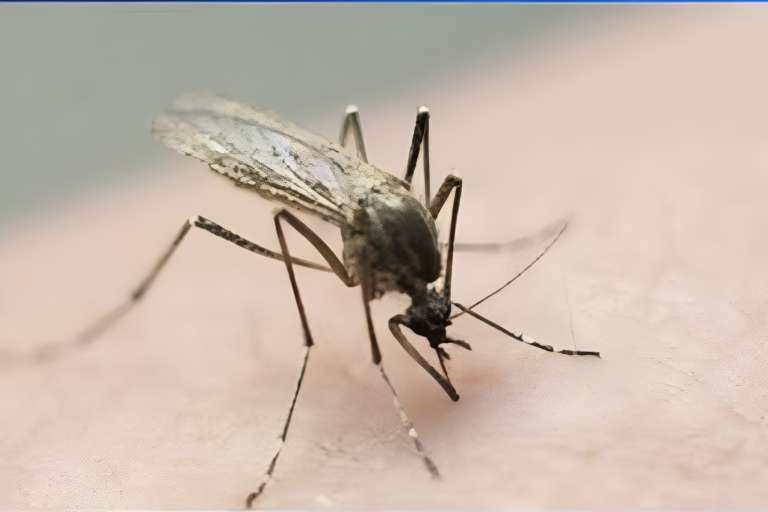
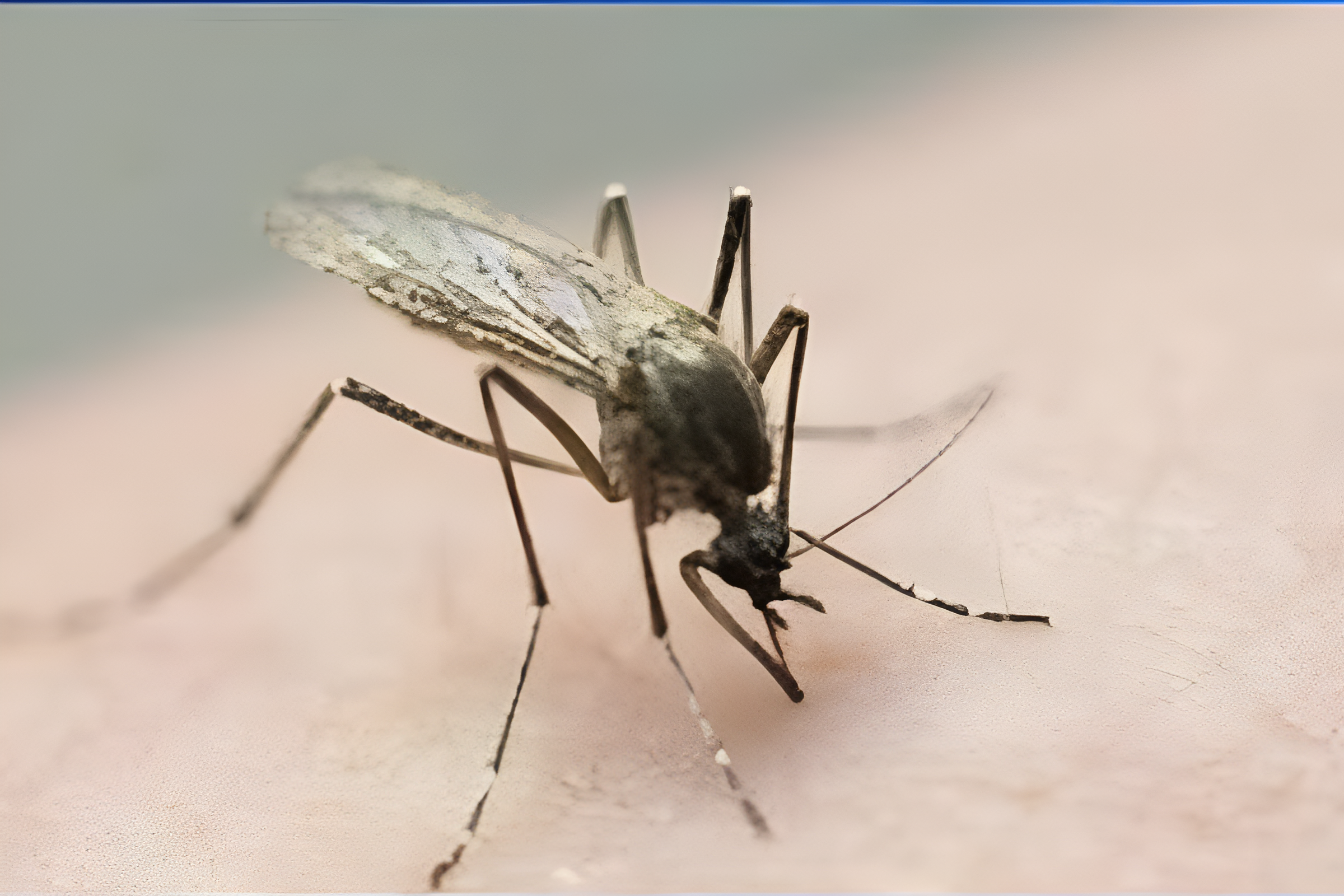
Eva Buckner, an entomologist with the University of Florida’s Medical Entomology Laboratory, said environmental and human factors can create favorable conditions for mosquitoes that transmit dengue, West Nile virus and chikungunya.
Warmer temperatures can speed mosquito development and virus replication. Heavy rainfall and stormwater can also leave water in natural areas and household containers, creating additional places for mosquitoes to breed.
International travel and outbreaks in regions where these viruses are common can also contribute to cases appearing in Florida.
Local mosquito-control agencies have increased surveillance and treatment, including truck-based and aerial spraying aimed at adult mosquitoes and larvae. Pinellas crews are also visiting properties near treatment areas to identify potential breeding sites with residents’ permission.
Residents are being encouraged to remove standing water from buckets, flowerpots, toys and other outdoor containers. Health officials also recommend using registered insect repellent and wearing clothing that covers exposed skin when outdoors.
Dengue symptoms can include sudden fever, severe headache, pain behind the eyes and significant muscle and joint pain. Most people recover, but severe dengue can become a medical emergency. The supplied source notes that there is no specific treatment and emphasizes rest, hydration and symptom management during recovery.
About the Author