West Marine Bankruptcy Forces Closure of 59 Stores
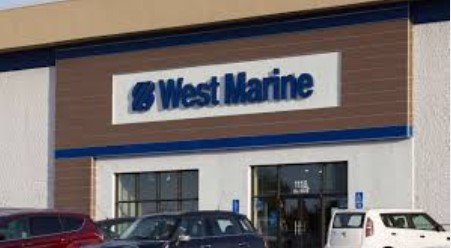
Courtesy;WestMarine
The West Marine bankruptcy store closures 2026 plan is reshaping the future of the nation’s largest boating retailer. After filing for Chapter 11 bankruptcy protection on May 17, West Marine confirmed that it will close 59 stores across 23 states as it works to stabilize its finances and continue operating.
Court filings show the company pointed to supply chain challenges, severe weather disruptions and changing consumer spending habits as major reasons for the restructuring. For thousands of boaters, anglers and sailing enthusiasts, the closures could make it harder to access equipment and services that have long been available through the retailer.
Why the West Marine bankruptcy store closures 2026 happened
Several factors contributed to the company’s financial troubles.
First, supply chain disruptions increased operating costs and created inventory challenges. At the same time, extreme weather events affected sales in key coastal and waterfront markets.
However, the biggest challenge came from a shift in consumer demand.
During the pandemic, boating became a popular recreational activity. Many consumers invested in boats and marine equipment while travel options remained limited. Once restrictions eased, that demand began to cool.
Industry data from the National Marine Manufacturers Association showed new boat retail sales declined 8.8% in 2025. Meanwhile, higher interest rates and inflation placed additional pressure on household budgets.
The luxury segment experienced some of the steepest declines. Sales of boats priced between $100,000 and $200,000 dropped significantly. Smaller and more affordable boats performed better, highlighting a major shift in consumer preferences.
What West Marine plans to do next
Company leaders say the bankruptcy filing is intended to strengthen the business rather than end operations.
West Marine plans to reduce debt, improve financial flexibility and create a more sustainable operating model. In addition, the company secured agreements that allow it to continue using cash during the restructuring process.
Management also requested permission to keep paying employee wages and benefits without interruption. As a result, day-to-day operations are expected to continue while the bankruptcy case moves forward.
Nevertheless, more store closures could follow.
The company continues to review its retail footprint, and reports indicate the total number of closures could eventually rise beyond the current 59 locations.
States impacted by the West Marine bankruptcy store closures 2026
The announced closures stretch across 23 states.
- Alabama will lose one store.
- California will lose five stores.
- Florida will lose eight stores.
- Georgia will lose one store.
- Illinois will lose two stores.
- Louisiana will lose one store.
- Maine will lose two stores.
- Maryland will lose four stores.
- Massachusetts will lose two stores.
- Michigan will lose six stores.
- Missouri will lose one store.
- Nevada will lose one store.
- New Jersey will lose three stores.
- New York will lose three stores.
- North Carolina will lose two stores.
- Ohio will lose three stores.
- Oregon will lose one store.
- Pennsylvania will lose one store.
- South Carolina will lose four stores.
- Tennessee will lose one store.
- Virginia will lose one store.
- Washington will lose five stores.
- Wisconsin will lose one store.
What the closures mean for the boating industry
The West Marine bankruptcy store closures 2026 announcement reflects broader challenges facing the recreational boating industry.
Many retailers benefited from strong pandemic-era demand. Today, those companies face slower sales, rising costs and more cautious consumer spending.
Furthermore, communities that depend on boating tourism may feel the impact of losing local marine supply stores. Customers often rely on these locations for equipment, maintenance products and expert advice.
For now, West Marine hopes a smaller footprint and reduced debt load will position the company for long-term survival. Whether that strategy succeeds will likely depend on how quickly demand stabilizes and how effectively the company adapts to changing market conditions.
Source: AL.com
About the Author

Praise Swint
Wpseo_editor
Praise Swint is a contributor at Revelence, covering stories across news, entertainment, and culture.