Photo credit:Anthony Braxton
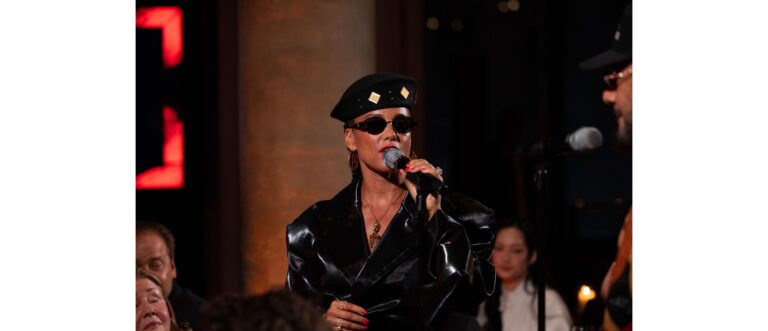
The Anthony Braxton MacDowell Medal honor was presented at the 2026 Medal Day ceremony at the MacDowell Residency in Peterborough, New Hampshire. Braxton received the 66th Edward MacDowell Medal, one of the most prestigious recognitions in American arts. Moreover, former student Tyshawn Sorey, a composer and instrumentalist himself, introduced Braxton and spoke about his professor’s immeasurable impact on his own understanding of percussion and music theory. Furthermore, Braxton reflected on the occasion by describing the vibration in the air at MacDowell as giving a signal that there is hope for change. Consequently, his remarks framed the honor not as an endpoint but as a continuation of the search that has defined his entire career.
Moreover, the residency now hosts hundreds of artists each year working across literature, music, film, theater, architecture, and the visual arts. Additionally, Medal Day opens the usually private grounds to the public once a year for the presentation ceremony. Consequently, the tradition bridges the retreat’s commitment to artistic privacy with a rare moment of community celebration.
Who Anthony Braxton is and what his career represents
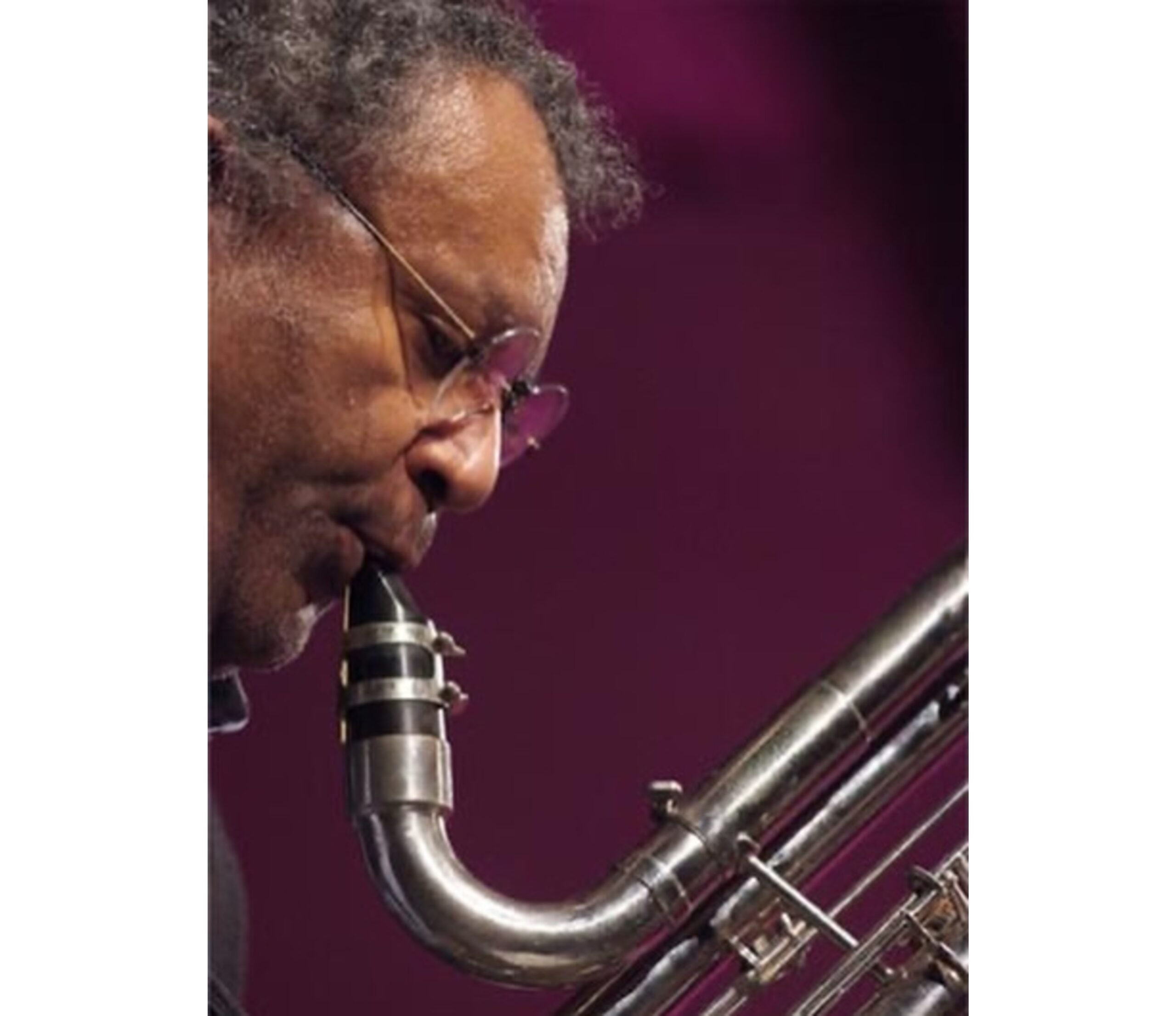
Braxton was born in Chicago in 1945 and emerged as an artist through the Association for the Advancement of Creative Musicians, known as the AACM. That South Side collective announced itself through an ethic of artistic self-determination that gave Black musicians space to experiment without seeking permission from academic institutions, commercial markets, or inherited genre conventions. Moreover, Braxton has spent more than five decades extending that ethic through composition, pedagogy, and performance. Furthermore, his landmark solo recording For Alto helped expand the expressive possibilities of the saxophone and remains a touchstone of experimental music. Consequently, his body of work occupies a space that has never fit neatly into any single label.
Braxton has been called a jazz musician, an avant-gardist, a composer, a theorist, an improviser, and a systems builder throughout his career. All of those descriptions carry truth, but none fully captures what he has actually done. Moreover, his work draws on Black experimental traditions while simultaneously refusing to be legible only through that lens. Additionally, he has treated music as a philosophical system rather than simply a performance practice, building elaborate structural frameworks that serve as vehicles for genuine artistic freedom. Consequently, his work asks what happens when advanced compositional systems open up rather than close down the possibilities for expression.
The MacDowell Residency’s legacy for Black artists
The MacDowell Residency carries particular significance for Black artists given its role in sheltering some of American literature and culture’s most essential voices. James Baldwin came to MacDowell in 1954 among the earliest African American fellows in the institution’s history. Moreover, he later called it his favorite sanctuary for writing. Furthermore, part of his 1955 collection Notes of a Native Son, which addressed race, inheritance, and American self-deception, was written there. Consequently, MacDowell named its library after Baldwin in acknowledgment of what the retreat had helped him produce and who he had become.
Toni Morrison received the Edward MacDowell Medal in 2016, belonging to the same lineage of Black artists whose work demanded that American culture answer to its most difficult truths. Moreover, Morrison’s novels insisted that Black interiority was not peripheral to American literature but one of its central organizing forces. Additionally, Baldwin and Morrison together made the written word into a site of national reckoning. Consequently, Braxton’s place in this line of MacDowell honorees connects his musical radicalism to a broader tradition of Black artists who used protected space to produce work that changed how America sees itself.
What Braxton said on Medal Day and what it means
Braxton’s remarks at MacDowell Medal Day carried a characteristic humility that surprised no one who knows his work. He described himself as a student of music and said he wants to keep learning. Moreover, that statement coming from an artist known for elaborate compositional systems reflects a philosophy that advanced structure and genuine wonder are not opposites. Furthermore, his remarks returned repeatedly to the creative masters who have reshaped everything but have not received the acknowledgment they deserve. He said that must change if the country is to be healthy. Consequently, his acceptance remarks were less about personal achievement than about the larger conditions under which artistic work either flourishes or disappears.
Braxton’s insistence on remaining a student also speaks to the spirit of the MacDowell Residency itself. The retreat was built on the premise that creative work requires ongoing openness rather than accumulated expertise. Moreover, artists across generations have come to Peterborough to be productively alone with work that is still becoming something. Additionally, Braxton’s career, which has never stopped moving and questioning, makes him an ideal embodiment of what MacDowell has tried to nurture across more than a century of operation. Consequently, the 2026 Medal Day ceremony felt like a recognition not just of what Braxton has already done but of the quality of mind that is still doing it.
Source: ESSENCE / Skylar Mitchell, 2026
About the Author