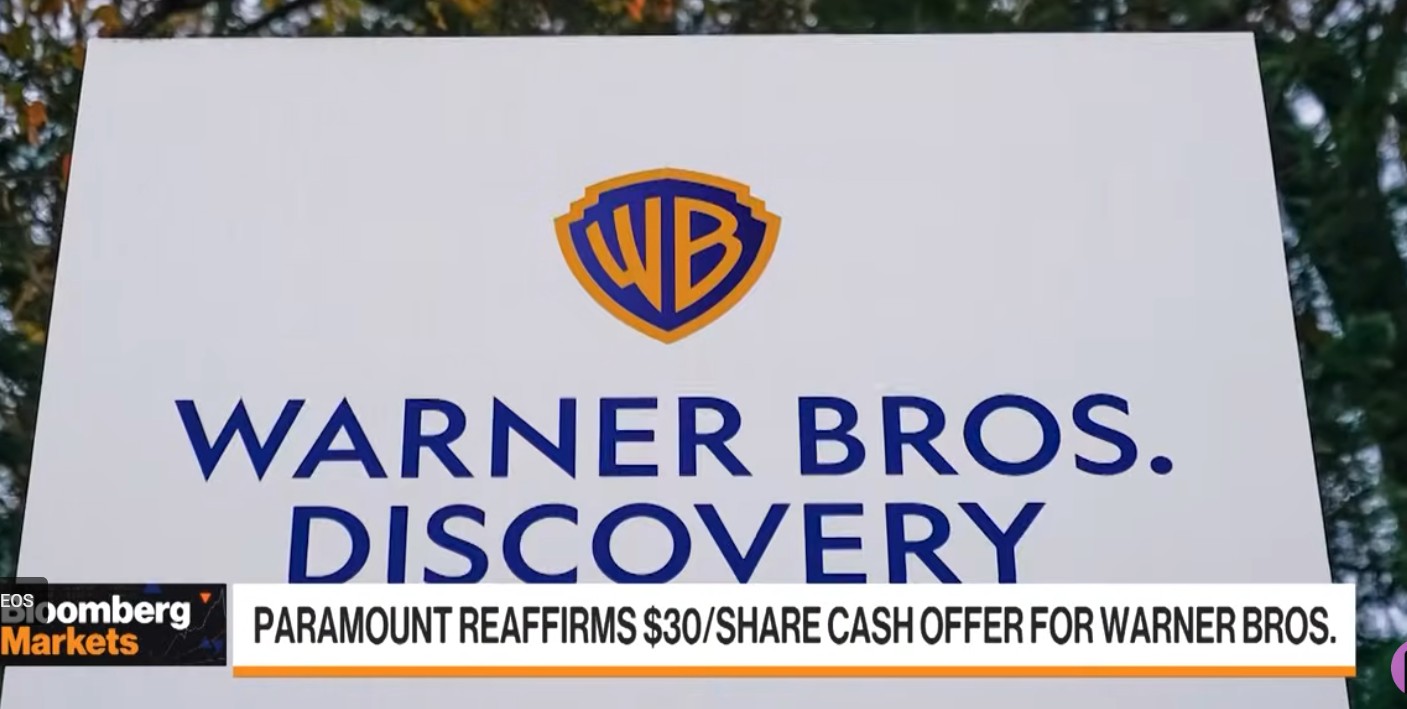
The fight for control of Warner Bros. Discovery has evolved into one of the most contentious acquisition battles in recent entertainment industry history. Despite facing eight consecutive rejections, Paramount Skydance continues pushing to disrupt the agreed-upon deal between Warner Bros. Discovery and Netflix, setting up a corporate showdown with multiple potential endings.
Paramount CEO David Ellison has publicly criticized WBD for refusing what he considers a superior offer. Meanwhile, WBD has accused Paramount of threatening lawsuits and strategically leaking information to the press. The company’s board of directors told shareholders this week that Paramount has repeatedly failed to submit the best proposal despite receiving clear guidance on what would be acceptable.
The drama centers on competing visions for one of Hollywood’s most valuable assets, with billions of dollars and the future shape of the entertainment industry hanging in the balance.
Breaking down the possible outcomes
- Paramount increases its financial offer. Although Paramount insists its all-cash proposal of $30 per share for all of WBD provides more value and less risk than Netflix‘s $27.75 per share bid for WBD’s studio and streaming assets, the company could sweeten the deal considerably. Several media insiders, including a former top Disney dealmaker, anticipate a renewed bidding war developing soon.
This expectation gained momentum when Paramount disclosed in a regulatory filing that Ellison had texted WBD CEO David Zaslav indicating the $30 per share proposal was not the final offer. WBD investors appear to be betting on additional drama as well, given that the stock currently trades above $28.50, nearly $1 per share higher than Netflix’s agreed purchase price. This trading pattern suggests shareholders believe either Ellison or Netflix will ultimately pay more before the transaction closes.
- WBD shareholders support Paramount’s hostile bid. Paramount might not need to increase its offer if a majority of WBD shareholders decide to tender their shares, which would create significant pressure on the board to reconsider the rejected proposal. As a public company, WBD’s leadership faces legal obligations to act in shareholder interests. The board could face lawsuits if it ignores overwhelming investor preference for Paramount’s bid.
However, media analyst Rich Greenfield from Lightshed Partners doubts Paramount will convince enough WBD shareholders to tender their shares. Greenfield predicted that Paramount would then raise its offer to $32 per share, prompting Netflix to sweeten its own bid before Paramount eventually withdraws. Until the Netflix deal officially closes, competing proposals can emerge since WBD remains publicly traded. Comcast previously drove up Disney’s eventual acquisition price for Fox’s studio by nearly $20 billion despite submitting its rival bid six months after the initial announcement.
- Lawsuits emerge from Paramount or shareholders. If Paramount maintains its position about having a superior rejected proposal, the company could sue WBD’s board of directors alleging negligence. WBD has acknowledged this possibility exists. The board noted in Wednesday’s letter that Paramount has been aggressive in engagement, retained litigation counsel and threatened legal action.
Lawyer Raul Gastesi, who leads Gastesi Lopez Mestre & Cobiella, observed Paramount’s litigious posture and predicted the company will likely attempt legal remedies including shareholder derivative suits or direct lawsuits now that its latest offer has been declined. However, Reuben Miller, who heads antitrust work at data intelligence firm Dealreporter, believes Paramount would rather submit an increased offer and avoid litigation than gamble in Delaware court.
Even if Paramount decides against legal action, WBD shareholders could independently sue the board.
- Paramount maintains its current offer and loses to Netflix. While Paramount has taken an aggressive approach so far, the company could ultimately accept defeat if its proposal fails to win over sufficient WBD shareholders. Instead of spending more than $100 billion on WBD, Paramount could redirect resources toward alternative opportunities.
Information for this article was provided by regulatory filings and media reports.
About the Author