Trump faces pushback over secret weapon claim in Maduro capture
Courtesy of FOX News (YouTube)
Courtesy of FOX News (YouTube)
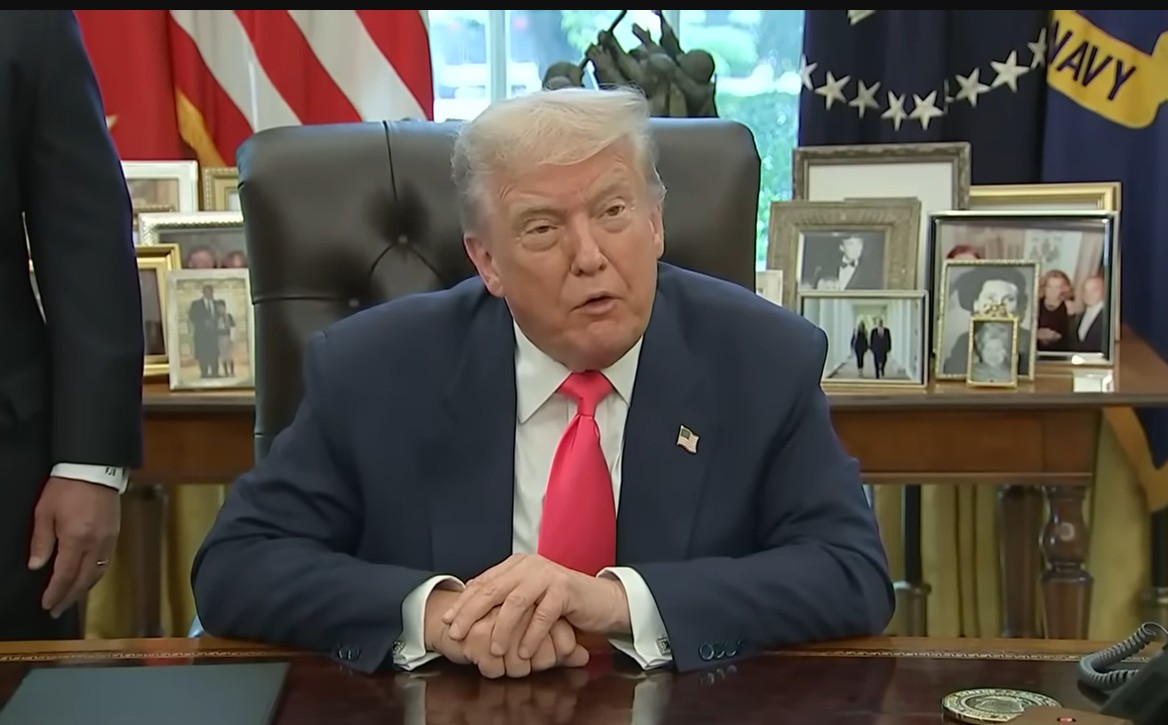
President Donald Trump has said that a U.S. weapon he referred to as a “discombobulator” played a role in the capture of Venezuelan President Nicolás Maduro earlier this month. The claim, made in a recent interview, has drawn attention for its unusual description of military technology and prompted officials to clarify the tools actually used during the operation.
According to senior U.S. officials, the term “discombobulator” does not refer to a single weapon in the American arsenal. Instead, it appears Trump may have combined multiple capabilities used by the U.S. military into a single description. Cyber operations, acoustic systems, and existing nonlethal technology were all part of the operation designed to neutralize defenses and disorient enemy personnel.
Cyber tools and electronic disruption
During the January 3 operation, U.S. forces reportedly employed cyber tools to disable Venezuelan early warning systems, communications networks, and air defense infrastructure. These measures cleared the way for helicopters and troops to enter the area with minimal risk from radar-guided weapons or other defensive systems. Analysts suggest that Trump’s reference to a “discombobulator” may have stemmed from these combined electronic capabilities.
Nonlethal acoustic and energy systems
U.S. forces have access to acoustic and directed energy technologies, which can create disorienting effects on personnel. One example is the Active Denial System, a heat ray capable of emitting electromagnetic waves that penetrate the skin to produce a sensation of intense heat. While it is not confirmed that this device was deployed, similar systems may have been used to disorient security forces during the capture.
Reports from Venezuelan security personnel described unusual physical effects during the raid, though these accounts have not been independently verified. The descriptions include sensations consistent with extreme sound waves or energy pulses. Officials emphasize that such accounts remain anecdotal, but they align with the types of nonlethal systems U.S. forces have developed over the past decade.
Extensive aerial and ground coordination
The Maduro capture involved a broad range of military assets, including more than 150 aircraft launched from approximately 20 bases. Bombers, fighter jets, intelligence planes, and surveillance aircraft participated in the operation, supporting ground forces and securing the airspace. Attack helicopters known as Direct Action Penetrator MH-60 Black Hawks provided suppressive fire and helped clear paths for U.S. troops to enter Venezuelan military complexes safely.
Targeted strikes and drone use
Experts analyzing the raid suggest that one-way attack drones were likely used for strikes in key coastal cities, where air defense systems were concentrated. This allowed U.S. forces to neutralize high-value targets while minimizing risk to personnel. Video footage from inside Fort Tiuna, a major military complex in Caracas, shows sustained gunfire during the operation, consistent with advanced U.S. attack helicopters engaging defensive positions.
Maduro and operation details remain limited
Specific details of Maduro’s capture and the exact locations within Fort Tiuna where the operation occurred have not been publicly disclosed. U.S. officials confirmed that cyber, electronic, and aerial systems played significant roles, but the full scope of technology and strategy remains classified. Analysts continue to examine the potential use of nonlethal weapons and advanced systems that could explain Trump’s description.
The operation marked a rare direct military intervention in Venezuela, underscoring the level of planning, coordination, and technological capability employed by U.S. forces. The claim of a “discombobulator” highlights how complex military operations can be simplified or mischaracterized in public statements.
Source: CNN
About the Author

Praise Swint
Wpseo_editor
Praise Swint is a contributor at Revelence, covering stories across news, entertainment, and culture.