

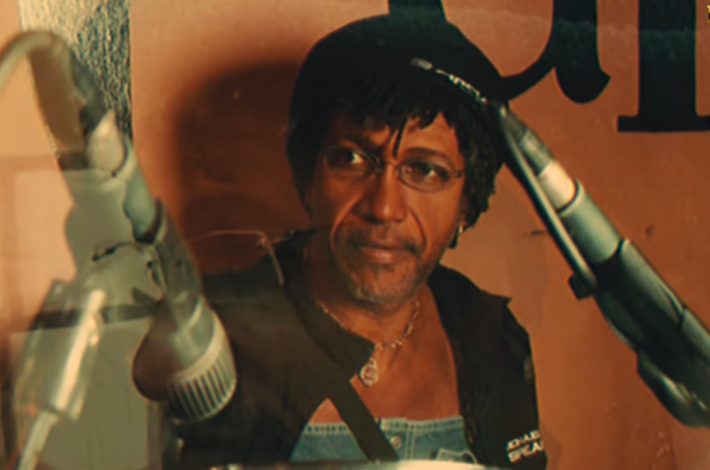
How Sly Dunbar helped define reggae before his death at 73
Courtesy: Reggae Vault
Courtesy: Reggae Vault
Sly Dunbar, one of the most influential figures in reggae history and a driving force behind the genre’s global reach, has died at the age of 73. Revered for his precision, creativity and relentless work ethic, Dunbar helped shape the sound of modern reggae and beyond, leaving behind a musical legacy that spans decades, continents and an extraordinary number of recordings.
Born Lowell Fillmore Dunbar in Kingston, Jamaica, he rose from humble beginnings to become a foundational architect of reggae, dancehall and fusion styles that bridged Caribbean music with pop, rock and soul. His death was confirmed by his family and representatives, following reports that he was found unresponsive at his home. While no official cause was disclosed, Dunbar had reportedly faced health challenges in recent years.
A drummer who changed the rhythm of reggae
Dunbar’s influence is best understood through the rhythms he introduced. He emerged during a transformative era in Jamaican music, helping to shift reggae away from softer, melody-led arrangements toward a more driving, beat-focused sound. His work emphasized syncopation and power, creating grooves that felt urgent and modern while remaining deeply rooted in Jamaican tradition.
From tin cans to television inspiration
As a child in Kingston, Dunbar began experimenting with rhythm using makeshift instruments, including tin cans. Early exposure to televised performances by pioneering Jamaican bands inspired him to pursue drumming seriously, setting him on a path that would later redefine the role of percussion in reggae music.
The formation of a legendary partnership
In his teenage years, Dunbar met bassist Robbie Shakespeare, a meeting that would alter the course of reggae history. Together, they formed the rhythm section of the Revolutionaries, becoming in-demand session musicians at the famed Channel One studio. Their chemistry laid the groundwork for one of music’s most prolific partnerships.
The rise of Sly and Robbie
As the duo Sly and Robbie, Dunbar and Shakespeare became synonymous with innovation. They worked extensively throughout the 1970s with leading reggae artists, helping to craft a harder-edged sound that contrasted with earlier reggae styles. Their approach proved influential and commercially successful, setting new standards for production and performance.
Building a musical empire
In 1980, the duo founded Taxi Records, a move that expanded their influence beyond session work. Through the label, they nurtured a new generation of Jamaican artists and contributed to the evolution of dancehall, helping bring emerging talent to international attention while maintaining creative control over their sound.
Crossing genres and borders
Dunbar’s impact was not confined to reggae. His work with international artists introduced reggae rhythms to broader audiences and demonstrated the versatility of Jamaican music. From pop to rock and experimental projects, his drumming became a bridge between cultures and genres, earning respect far beyond the Caribbean.
Reinventing reggae with technology
At home in Jamaica, Dunbar gained recognition for embracing electronic instruments and modern production techniques. By blending traditional rhythms with digital textures, he helped modernize reggae and dancehall, ensuring the genre’s relevance in changing musical landscapes.
A legacy measured in recordings
By some estimates, Dunbar contributed to more than 200,000 recordings, either as a drummer, producer or collaborator. This staggering output reflects not only his talent but also his discipline and demand. His rhythms continue to be reused, sampled and studied, reinforcing his enduring presence in music.
Beyond the numbers, Dunbar is remembered for his professionalism and creative fearlessness. He approached music as both craft and calling, earning admiration from peers and producers worldwide. His death follows that of his longtime partner Robbie Shakespeare in 2021, marking the end of an era for one of reggae’s most celebrated duos.
Sly Dunbar’s influence remains embedded in the heartbeat of reggae and popular music. His rhythms continue to move audiences, ensuring that his legacy lives on wherever the beat carries forward.
Source acknowledgment: This article is based on reporting by the BBC, including coverage by music correspondent Mark Savage.
About the Author

Praise Swint
Wpseo_editor
Praise Swint is a contributor at Revelence, covering stories across news, entertainment, and culture.



1 thought on “How Sly Dunbar helped define reggae before his death at 73”