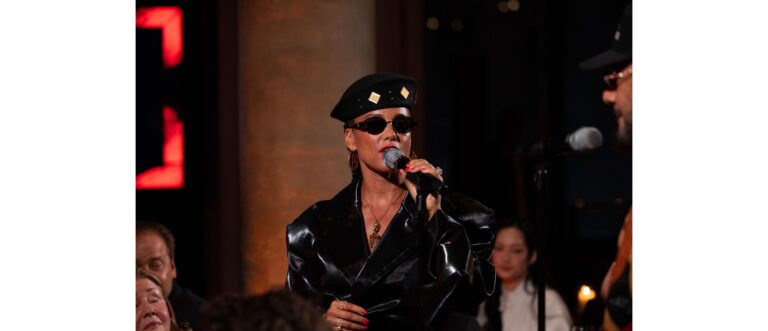
Grammy
The 68th Grammy Awards sparked controversy beyond the music world as President Donald Trump sharply criticized the broadcast and signaled potential legal action against host Trevor Noah. The ceremony, held on February 1, 2026, in Los Angeles, aired on CBS for the final time after decades on the network. The president’s comments came shortly after the three-hour telecast concluded, targeting both the show and Noah personally.
Trump calls the awards “unwatchable”
President Trump described the Grammys as “virtually unwatchable,” highlighting his dissatisfaction with the program and its content. He specifically noted the show’s departure from CBS, suggesting that the network avoided continued association with what he described as “garbage” on its airwaves.
Focus on host Trevor Noah
The president singled out comedian Trevor Noah, who hosted the ceremony, for remarks made near the conclusion of the event. Noah referenced political figures in a quip about Billie Eilish winning Song of the Year, which drew attention to former President Trump and the late Jeffrey Epstein. Trump responded angrily, denying any wrongdoing and indicating that he would pursue legal action against Noah for defamation.
Political commentary from performers
The ceremony also included broader political commentary from several performers who highlighted federal immigration policies. These moments of activism contributed to the event’s highly publicized reception and amplified public debate on social media and news platforms.
Trump emphasizes legal threat
In addition to criticizing the show, Trump described Noah as “talentless” and threatened to send lawyers to pursue a lawsuit, seeking damages for what he called a false statement. Representatives for the Grammys and Noah did not respond to immediate requests for comment, leaving the potential legal action unresolved as of Monday morning.
Context of the Epstein connection
The joke in question referred to Jeffrey Epstein, the convicted sex offender who died in a Manhattan jail cell in 2019. Epstein’s case involved multiple high-profile figures, including Trump and former President Bill Clinton. While documents from the Justice Department reference Trump, the president has consistently denied involvement in any criminal activity. Similarly, Clinton’s office has denied close ties to Epstein and maintains he was unaware of Epstein’s crimes.
Wider public and media reaction
Trump’s post quickly circulated on social media, generating widespread commentary on both the Grammys and the broader intersection of entertainment and politics. Analysts noted that the president’s response underscored the growing tendency for political figures to weigh in on cultural events in real time. The episode also highlighted how award shows increasingly serve as platforms for social and political commentary, often generating reactions from high-profile figures beyond the music industry.
Grammy ceremony significance
Beyond the controversy, the 68th Grammy Awards celebrated 95 categories of music achievement, including historic wins for artists like Bad Bunny, Kendrick Lamar, Billie Eilish, and Olivia Dean. The awards recognized both mainstream and emerging artists, emphasizing innovation, cultural influence, and the evolving landscape of the music industry.
The event combined performance, recognition, and social commentary, illustrating the complex role of music award shows in contemporary culture. While the ceremony produced memorable moments for fans and artists alike, it also sparked national debate through the intersection of humor, politics, and high-profile commentary.
Source: New York Times
About the Author