Courtesy:Oliver Power Grant
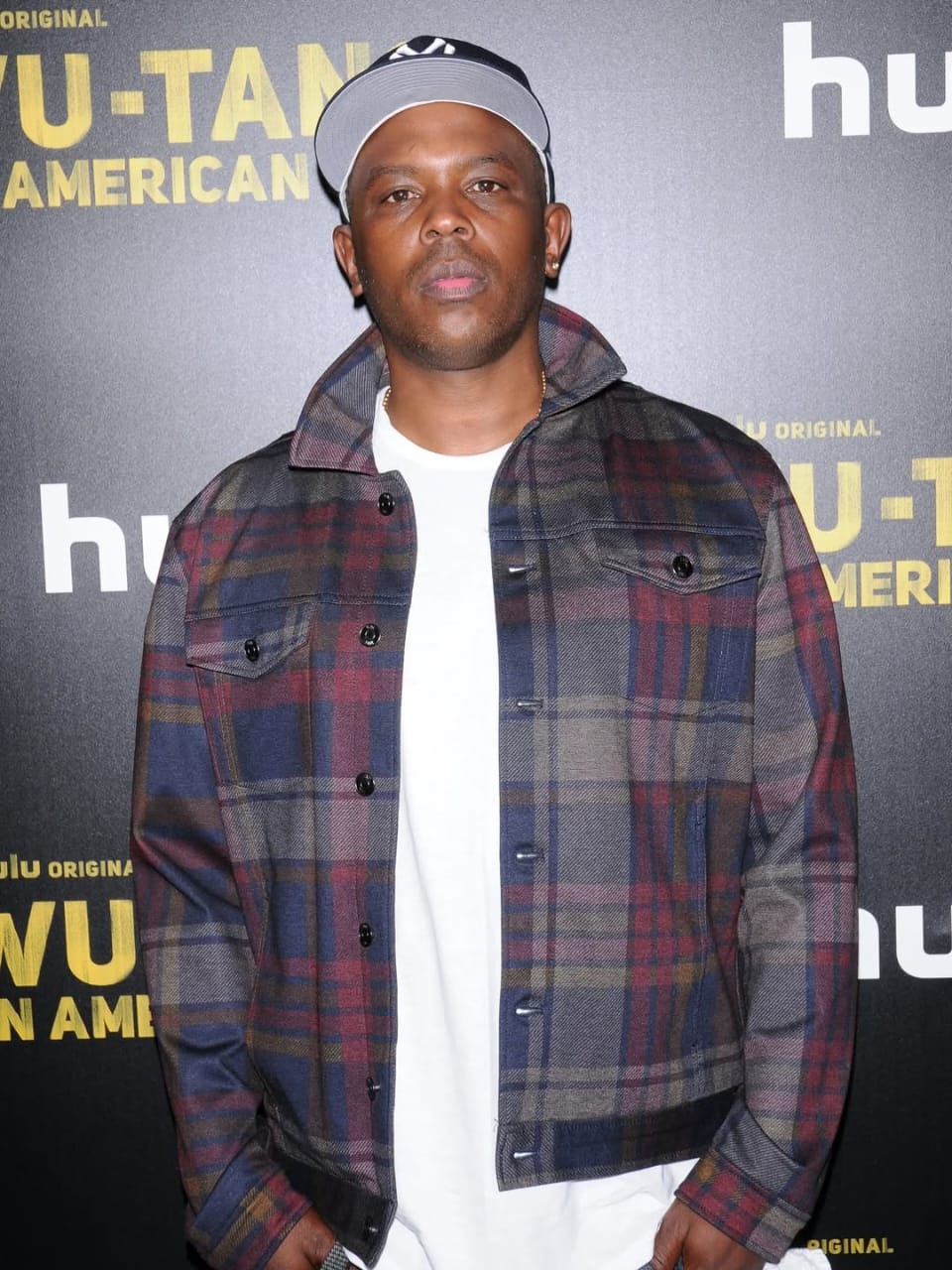
Oliver “Power” Grant, the influential music executive and early architect behind the business rise of the Wu-Tang Clan, has died. He was 52.
Grant’s death was confirmed by Method Man on social media on Feb. 23. A cause of death has not been publicly disclosed.
Though he was not one of the nine performing members who made Wu-Tang Clan a household name, Grant played a pivotal role behind the scenes, helping transform the Staten Island collective from a raw hip-hop act into a cultural enterprise that reshaped music and fashion in the 1990s.
Early believer in Wu-Tang’s vision
Born in Jamaica and raised in New York, Grant became closely aligned with the group during its formative years. As RZA began assembling the Clan and shaping its distinct sound, Grant offered early support and guidance. He also worked alongside founding figures including the late Ol’ Dirty Bastard, helping build a framework that extended beyond the recording studio.
As Wu-Tang prepared to release its 1993 debut album, Enter the Wu-Tang (36 Chambers), Grant assisted in securing resources that would allow the group to record and distribute the project. The album would go on to become one of hip-hop’s most influential releases, setting the tone for a new era of East Coast rap.
Grant’s involvement was not centered on lyrics or performances. Instead, he focused on contracts, strategy and long-term positioning, ensuring the group maintained a level of creative and financial control that was rare at the time.
Building Wu Wear into a fashion force
One of Grant’s most enduring contributions came with the launch of Wu Wear in the mid-1990s. The clothing line became one of the earliest artist-owned streetwear brands in hip-hop, translating the group’s gritty aesthetic into a commercial powerhouse.
At its peak, Wu Wear expanded into department stores and operated retail locations in major cities, including New York and Los Angeles. The brand generated tens of millions of dollars annually and established a blueprint for future musician-led fashion ventures.
Long before celebrity fashion collaborations became commonplace, Wu Wear demonstrated that hip-hop artists could successfully extend their brands into global retail markets. Grant’s approach connected music, identity and merchandising in a way that reshaped how artists viewed ownership and entrepreneurship.
Expanding the Wu-Tang empire
Beyond fashion, Grant served as a manager and executive producer on several Wu-Tang-related projects. His work helped expand the brand into touring, film and other entertainment ventures.
He appeared alongside Method Man in films such as Belly and Black and White, further illustrating his multifaceted involvement in the group’s creative ecosystem. While performers stood at the forefront, Grant operated behind the scenes, translating artistic energy into sustainable business ventures.
Like many large collectives, the extended Wu-Tang network experienced occasional disputes and legal challenges over the years. Still, Grant remained closely associated with the brand he helped build, maintaining a presence as the group’s influence continued into new generations.
A legacy beyond the spotlight
In an industry that often centers on chart-topping hits and onstage personas, Grant’s impact was rooted in infrastructure. He helped establish a model in which artists could retain leverage, diversify revenue streams and maintain ownership over their creative output.
For fans of Wu-Tang Clan, Grant’s passing marks the loss of a key architect whose contributions were not always visible but were deeply felt. His influence lives on not only in the music that defined a generation, but in the business strategies that continue to shape hip-hop today.
As tributes continue to surface, Grant is remembered as a driving force behind one of rap’s most enduring collectives and a pioneer in artist-led entrepreneurship.
Source: HOT 97
About the Author