Three U.S. jets mistakenly shot down in Kuwait amid Iran tensions
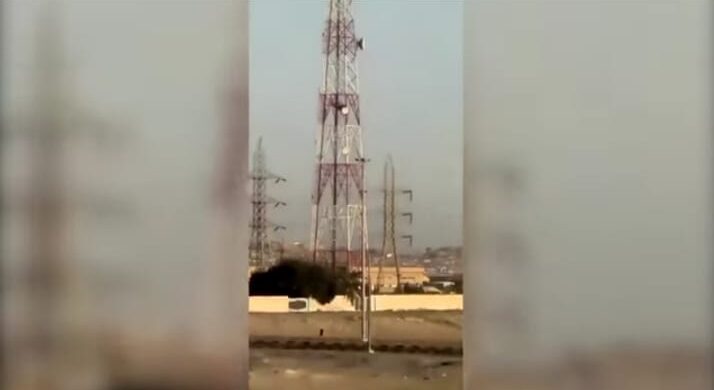
Courtesy:Reuters
Three American fighter jets were mistakenly shot down over Kuwait in what U.S. officials described as an apparent friendly-fire incident during active combat operations involving the United States and Iran. The jets were part of coordinated military actions following the death of Ali Khamenei, whose killing intensified an already volatile regional landscape. Despite the mid-air disaster, all six service members aboard the aircraft survived and were recovered in stable condition.
The jets were downed during high-pressure combat conditions
According to U.S. Central Command, the jets were operating amid multiple threats from Iranian aircraft, ballistic missiles and drones. Kuwaiti air defenses, which were mobilized due to heightened regional alerts, mistakenly identified the American aircraft as hostile. The rapid escalation of airborne threats led to the misidentification that caused the strike.
Every crew member survived after ejecting safely
Officials confirmed that all six personnel ejected before impact and were located quickly. Kuwaiti emergency teams transported them to a hospital for evaluation while coordinating closely with U.S. forces. Their survival offers a rare relief in a high-risk environment where air crews face enormous pressure during rapid-moving military engagements.
Iran’s escalating retaliation has destabilized the region
In the days following the death of Ali Khamenei, military facilities tied to the United States across the Persian Gulf have seen increased strikes. These actions have strained the security systems of several Gulf nations working with the United States, increasing the likelihood of errors such as Monday’s incident. The situation has created a tense regional web of defenses attempting to intercept incoming threats while avoiding miscalculations.
Kuwait confirmed multiple U.S. aircraft crashed
The Kuwaiti defense ministry reported that several U.S. military aircraft went down during early-morning operations. The nation launched rapid rescue efforts and began a joint investigation with American officials. While both sides acknowledged the friendly-fire origin, the inquiry will determine how identification protocols failed and whether pressure from simultaneous threats contributed to the mistake.
A drone also struck the U.S. Embassy compound
In a separate but related development, a drone hit the American Embassy compound in Kuwait City. Video verified by The New York Times appeared to show smoke rising from the area surrounding the diplomatic complex. U.S. officials said no casualties were immediately reported. The source of the drone has not been confirmed, though the strike aligns with broader regional targeting of American sites.
Social media footage captured the jets’ final moments
Footage from Al Jahra circulated widely online, showing one jet spiraling downward with smoke trailing from its tail. Videos from eyewitnesses were later verified by investigators reviewing Monday’s events. Visual confirmation from the ground has helped analysts piece together the timeline and trajectory of the jets before impact.
The region braces for what comes next
With multiple nations engaged in heightened military readiness, the Gulf region faces growing uncertainty. U.S. officials are assessing how to prevent further misidentifications while balancing the need for strong defensive coordination. Kuwait and the United States remain aligned in their commitment to investigate the incident fully.
The friendly-fire strike and the embassy drone incident underline the extreme pressure facing regional defense systems and the rising risk of unintended consequences as tensions continue to unfold.
Source: The New York Times
About the Author

Praise Swint
Wpseo_editor
Praise Swint is a contributor at Revelence, covering stories across news, entertainment, and culture.