Courtesy:dawn-mcdonald
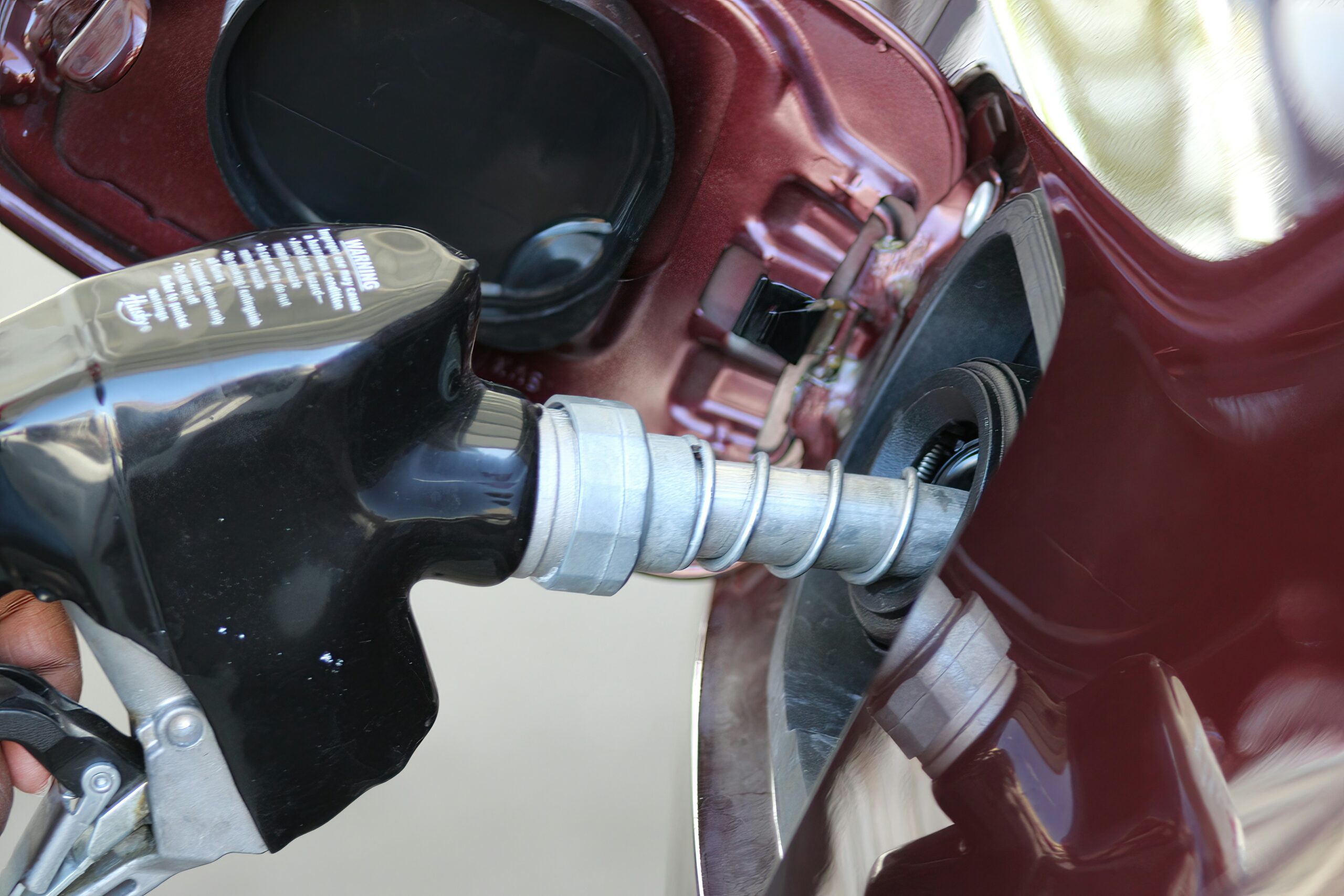
Gasoline prices across the United States are climbing again as escalating conflict in the Middle East begins to ripple through global energy markets. The increase is already being felt at the pump, with new data showing that American drivers are paying noticeably more for fuel than they were just days earlier.
According to the AAA motor club, the national average price for gasoline reached $3.48 per gallon on Monday. That figure represents a nearly 17 percent increase since Feb. 28, when U.S. and Israeli military operations targeting Iran marked the beginning of a rapidly intensifying regional conflict.
The rise reflects growing uncertainty in the global oil market as supply disruptions emerge from one of the world’s most important energy regions. The Persian Gulf plays a major role in supplying crude oil to international markets, and any instability there tends to influence prices worldwide.
Energy analysts say the recent spike in gasoline prices is tied closely to surging oil costs and concerns about the availability of crude shipments leaving the region.
Oil prices surge past the $100 mark
One of the most significant developments driving fuel prices higher is the rapid rise in global oil costs.
On Monday, crude oil prices moved above $100 per barrel as military activity intensified in the Middle East. Iran announced that it had launched additional missile attacks toward Israel as U.S. and Israeli military operations expanded in the region.
These developments triggered immediate reactions in energy markets. Oil traders closely monitor geopolitical tensions in the Persian Gulf because the region accounts for a substantial portion of the world’s petroleum supply. When instability threatens production or transportation routes, prices often climb quickly.
As oil becomes more expensive to purchase, refineries that convert crude into gasoline and other fuels must pay more for their raw materials. Those increased costs eventually pass through the supply chain to consumers.
Tanker disruptions threaten a major oil route
Another factor contributing to rising prices involves disruptions to oil shipments leaving the Persian Gulf.
Tankers that normally transport crude oil through the region have slowed or stopped operations in some areas as security concerns grow. This has reduced the flow of oil reaching international markets.
The Persian Gulf region is responsible for roughly one fifth of the world’s oil supply. When shipping routes become uncertain, even temporary interruptions can send prices upward because global energy markets rely heavily on stable deliveries.
Energy traders often react quickly to such developments, pricing in the risk that supply could remain constrained if tensions continue.
Drivers see major price differences nationwide
Although national averages are rising, drivers across the United States are seeing different prices depending on where they live.
Oil typically accounts for about 60 percent of the cost of gasoline, but additional factors such as state taxes, refining capacity and transportation costs can influence the final price drivers pay.
In California, motorists recently paid an average of $5.20 per gallon, the highest level in the country. Meanwhile, drivers in Kansas saw an average price of $2.92 per gallon, making it one of the least expensive places to buy fuel.
These regional differences highlight how local policies and infrastructure shape fuel costs even when global oil prices move in the same direction.
Fuel prices may continue rising in the coming days
Gasoline prices do not usually respond instantly to changes in crude oil markets. Instead, there is often a delay of several days or even a week before increases in oil costs fully appear at gas stations.
Refineries must first purchase crude oil at higher prices and process it into fuels such as gasoline, diesel and jet fuel. Once those refined products are distributed to gas stations, the higher costs begin appearing on price boards across the country.
Because oil prices have recently surged, analysts say drivers may continue seeing gradual increases at the pump in the coming days if tensions in the Middle East remain elevated.
The situation underscores how closely connected global energy markets are to geopolitical developments. Even events occurring thousands of miles away can quickly influence the daily cost of transportation for millions of Americans.
Source: The New York Times
About the Author