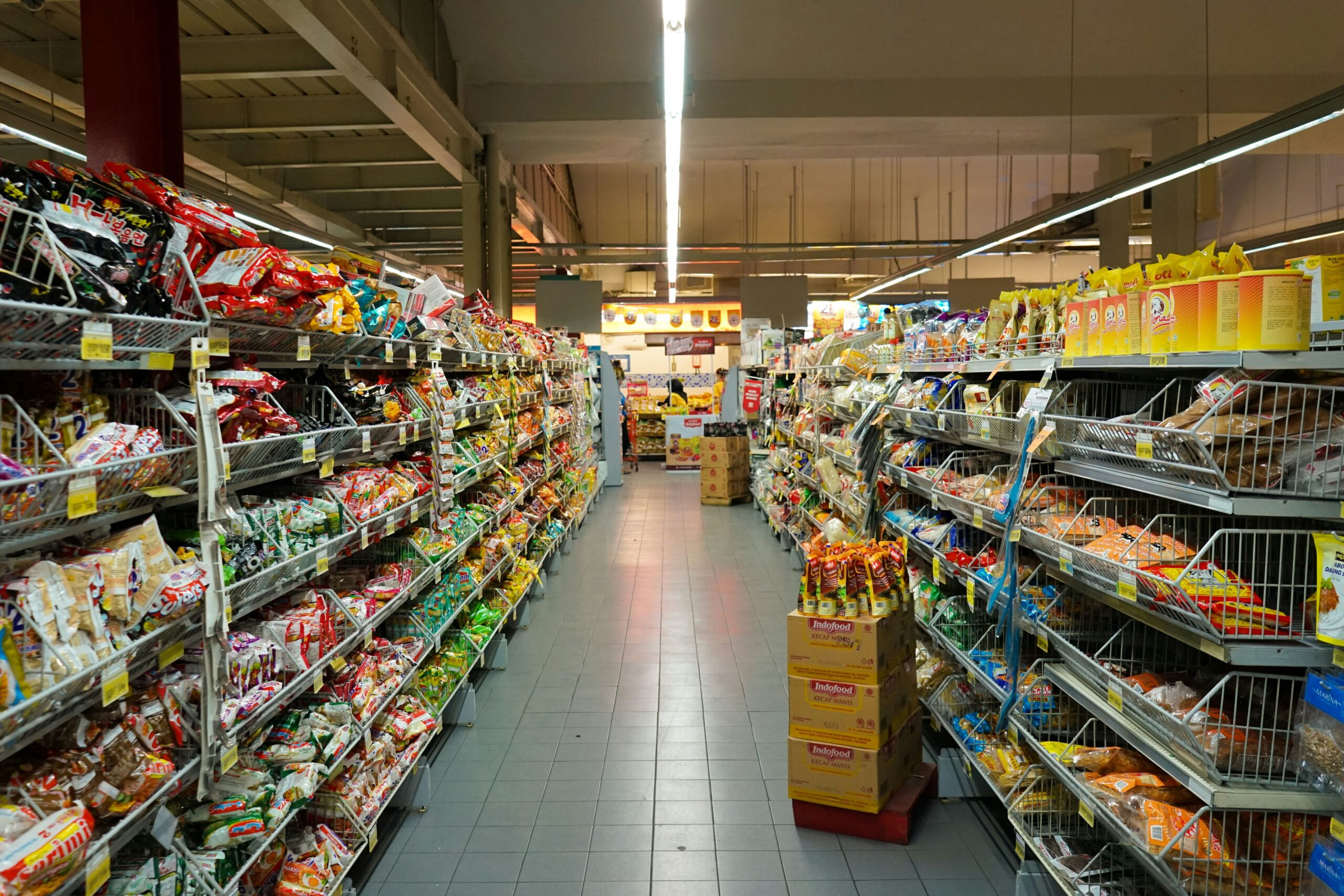
Courtesy:fikri-rasyid from unsplash
New economic data shows that inflation in the United States remained relatively stable in February, just before the outbreak of military conflict involving Iran created new uncertainty for the global economy.
The latest Consumer Price Index report from the Bureau of Labor Statistics showed that overall consumer prices rose 2.4 percent compared with the same time last year. That figure matched the annual increase recorded in January, suggesting that inflation pressures had largely stabilized in the weeks leading up to the conflict.
On a monthly basis, prices increased by 0.3 percent in February. Core inflation, which removes the more volatile food and energy categories, climbed 0.2 percent from the previous month and registered a 2.5 percent annual increase.
Economists say the data reflects conditions before global energy markets were disrupted by military strikes involving the United States, Israel and Iran. Those developments pushed oil prices sharply higher and have raised concerns that inflation could begin rising again in the months ahead.
Inflation data suggests progress before energy shock
For much of the past year, policymakers have been trying to push inflation closer to the Federal Reserve’s long-term target of 2 percent. The February data indicated gradual improvement toward that goal.
However, the numbers only capture economic conditions before the escalation in the Middle East. Since then, oil prices have experienced major swings, at one point reaching nearly $120 per barrel before easing slightly.
Because energy plays a central role in transportation, manufacturing and household expenses, sustained increases in oil prices often lead to broader cost increases across the economy. Gasoline prices in the United States have already started rising following the conflict.
Analysts say that even if oil prices eventually stabilize, the ripple effects could persist for months as companies adjust supply chains and transportation costs.
Higher gas prices could pressure household budgets
Gasoline prices have climbed significantly since the conflict began, creating new challenges for consumers already facing elevated living costs.
National averages for gasoline have risen notably, meaning drivers are spending more to fill their vehicles than they were only weeks earlier. Because fuel is a necessary expense for many households, higher prices can reduce spending on other goods and services.
When households divert more of their budgets toward energy, overall consumer spending can slow. Since consumer spending drives roughly 70 percent of the U.S. economy, economists say rising energy costs could affect economic growth if the trend continues.
Food prices have also been rising. Data shows food costs increased 3.1 percent over the past year, with prices at restaurants and other food service establishments rising even faster.
Labor shortages in some service industries have contributed to those increases, creating additional pressure on businesses and consumers.
The Federal Reserve faces a difficult policy decision
The Federal Reserve is closely watching the latest inflation figures as it prepares to determine the next step in monetary policy.
After cutting interest rates several times late last year, central bank officials paused further reductions in early 2026. Rates currently sit between 3.5 percent and 3.75 percent, and many economists expect policymakers to keep them unchanged during their next meeting.
The challenge for the Fed is balancing two competing risks.
Inflation remains above the central bank’s target, while the labor market has recently shown signs of weakening. The latest employment data indicated job losses in February and a rise in the unemployment rate to 4.4 percent.
Higher energy prices complicate that picture. If inflation accelerates again because of oil costs, cutting interest rates too soon could worsen price pressures. On the other hand, holding rates steady for too long could slow economic growth and increase unemployment.
For now, many analysts believe the central bank will take a cautious approach and wait for clearer signals before adjusting policy again.
Global tensions add new uncertainty to economic outlook
The war involving Iran has quickly become one of the most significant economic risks facing the global economy this year.
Beyond energy markets, the conflict has raised concerns about shipping disruptions in key oil transit routes in the Persian Gulf. Prolonged disruptions could push fuel costs higher and affect the price of many goods.
Economists say the ultimate impact will depend largely on how long the conflict lasts. If tensions ease quickly, the economic effects may prove temporary. But a prolonged conflict could increase inflation and slow growth worldwide.
For millions of Americans already navigating high living costs, the next few months could determine whether recent progress on inflation continues or begins to reverse.
Source: Reporting based on information from The New York Times.
About the Author