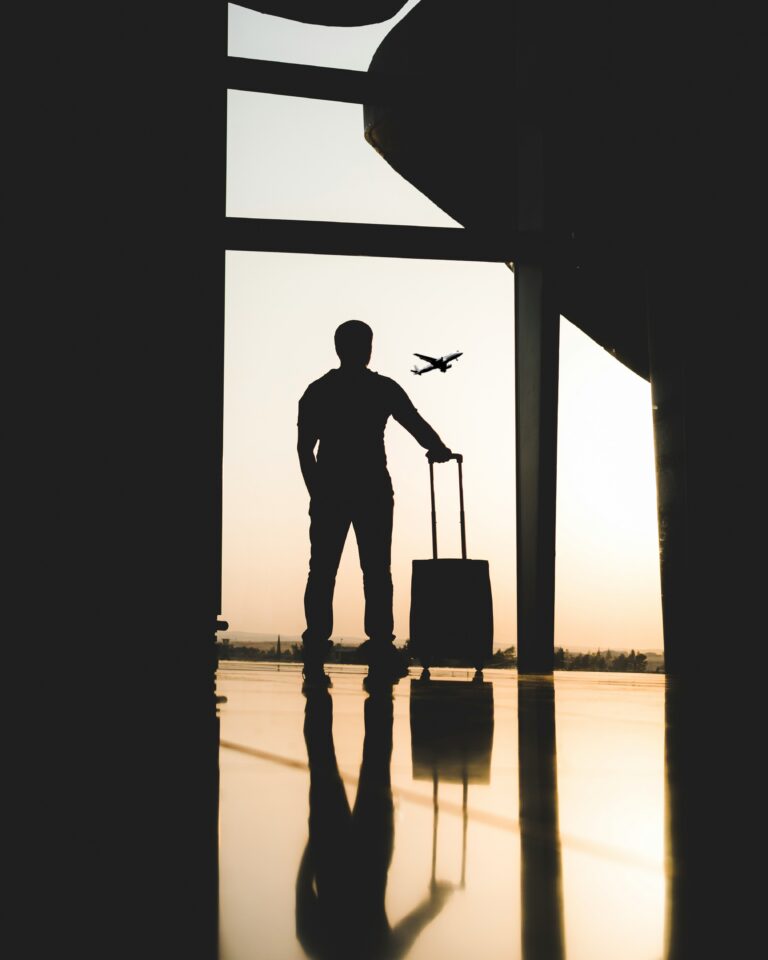
U.S. flight chaos erupts as cancellations soar past 7000 in a single day

Courtesy:Today News
Air travel across the globe continues to face disruptions, with delays and cancellations affecting thousands of passengers. A mix of geopolitical tensions and operational challenges has created ongoing uncertainty for travelers, particularly in regions tied to recent conflicts.
Airlines and aviation authorities are working to manage the situation, but the ripple effects have stretched across continents, impacting routes, schedules and passenger plans. From grounded flights to rerouted journeys, travelers are being forced to adjust as conditions evolve.
While disruptions are not new to the industry, the current situation reflects a combination of factors that are proving difficult to resolve quickly.
Conflict-driven airspace closures
One of the most significant contributors to ongoing travel disruption is the closure of airspace in key regions. Military activity and security concerns have forced authorities to restrict or shut down flight paths, particularly in parts of the Middle East.
These closures have led to widespread cancellations and rerouting, often extending flight times and reducing the number of available routes. Airlines must prioritize safety, which means avoiding affected areas entirely, even if it results in operational inefficiencies.
Passengers traveling through or near impacted regions are experiencing the greatest disruption, with some becoming stranded as flights are grounded or diverted. The situation remains fluid, making it difficult for airlines to maintain consistent schedules.
Stranded travelers and limited solutions
Another major issue is the growing number of travelers left stranded due to sudden cancellations and reduced flight availability. In many cases, passengers have struggled to find alternative routes or receive timely assistance.
Airlines are facing increased pressure to accommodate displaced travelers, but limited capacity and ongoing restrictions have made rebooking difficult. This has left some passengers waiting for extended periods or seeking alternative means of travel.
The situation has also highlighted gaps in coordination between agencies and service providers, particularly when disruptions occur across multiple countries. Travelers are often left navigating complex systems without clear guidance.
As delays persist, the experience for passengers becomes increasingly challenging, especially for those traveling internationally.
Broader disruptions from policy and operations
Beyond conflict-related issues, broader operational challenges are also contributing to travel disruptions. Staffing shortages, policy changes and economic pressures have affected airline operations in various regions.
In some cases, government-related issues have influenced airport operations and airline scheduling. These factors can lead to reduced flight availability and longer wait times, even in areas not directly affected by conflict.
Additionally, fluctuations in the aviation industry, including financial pressures and infrastructure demands, have made it harder for airlines to respond quickly to unexpected disruptions.
Together, these challenges create a complex environment where delays and cancellations are more likely to persist.
A challenging outlook for travelers
The combination of geopolitical tensions and operational hurdles suggests that travel disruptions may continue in the near term. While airlines and authorities are working to adapt, the evolving nature of the situation means uncertainty remains a key factor.
Travelers are being encouraged to stay informed, monitor flight updates and allow extra time when planning journeys. Flexibility has become essential, as conditions can change rapidly.
Despite the challenges, the aviation industry continues to adjust, seeking ways to stabilize operations and restore confidence among passengers. Until then, travelers should be prepared for ongoing disruptions and plan accordingly.
Source: CBS News
About the Author

Praise Swint
Wpseo_editor
Praise Swint is a contributor at Revelence, covering stories across news, entertainment, and culture.