6 U.S. airports hit hardest as flight delays and cancellations surge
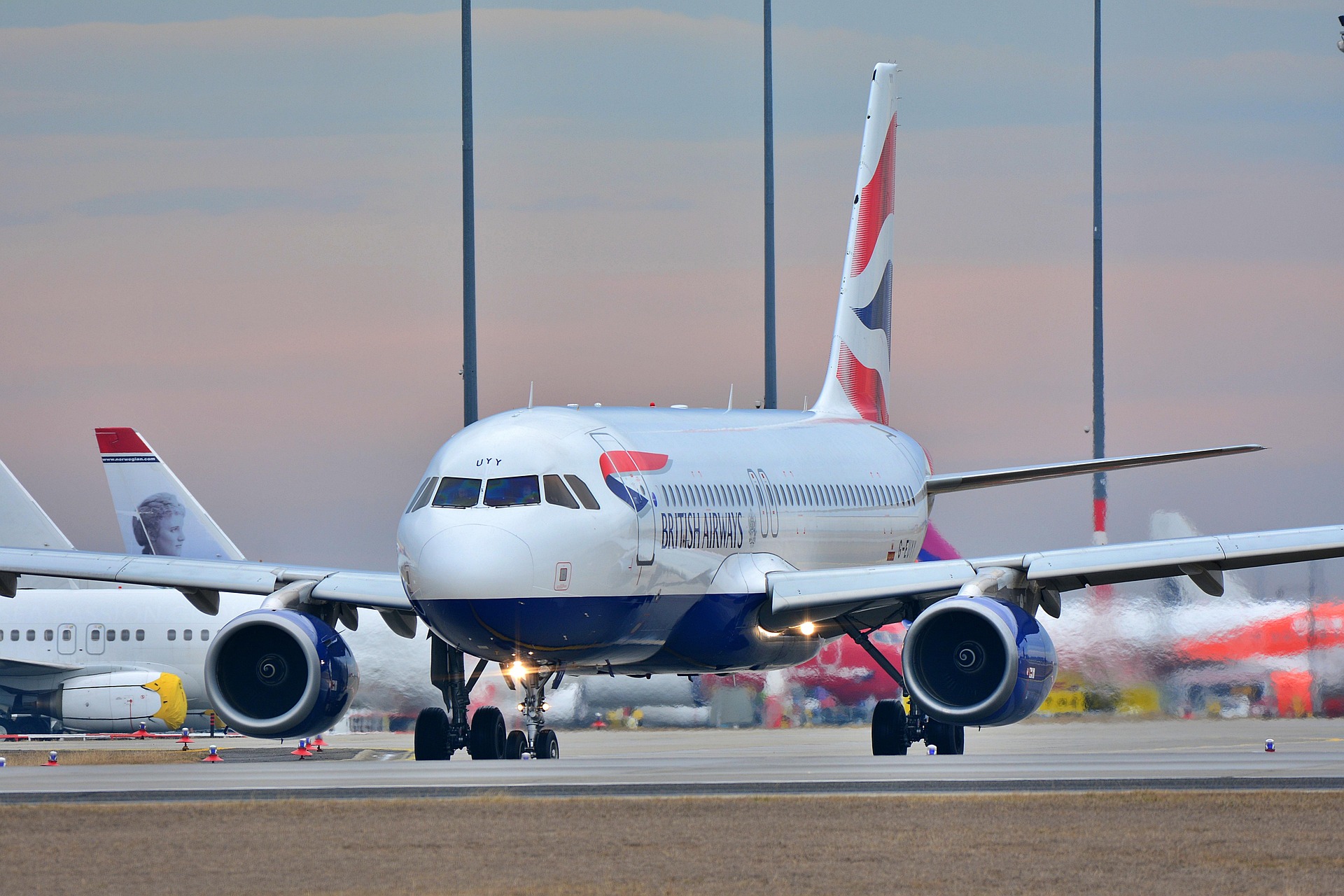
Courtesy:steve001-airbus from pixabay
Air travel across the United States is facing renewed disruption as delays and cancellations ripple through some of the country’s busiest airports. A combination of severe weather, operational strain and rising congestion has created a difficult situation for travelers during a busy period.
The latest wave of disruptions has impacted six major airport hubs, causing widespread delays and leaving thousands of passengers waiting for updates on their travel plans. The situation has quickly escalated beyond isolated incidents, turning into a nationwide travel challenge that is affecting routes across multiple regions.
Six airports at the center of the chaos
The airports experiencing the most significant disruptions include those in Atlanta, Chicago, Dallas, New York, Los Angeles and Miami. These locations serve as critical hubs for domestic and international travel, meaning issues in one location can quickly spread across the network.
As flights were delayed or canceled, arrival rates dropped while departure queues grew longer. The strain on these interconnected systems created a domino effect, with delays in one city impacting schedules in others far from the original disruption.
Severe weather plays a major role
At the heart of the disruption is a stretch of severe weather that has impacted large parts of the country. Thunderstorms, strong winds and reduced visibility have forced airlines and airport authorities to slow or halt operations for safety reasons.
Weather-related disruptions are particularly challenging because they can develop quickly and affect multiple regions at once. In this case, storms moved through key travel corridors, limiting the ability of airlines to reroute flights efficiently and adding pressure to already busy schedules.
Congestion and infrastructure strain worsen delays
While weather triggered the initial disruptions, congestion at major airports has made recovery more difficult. Some airports, including Chicago’s O’Hare, are dealing with infrastructure limitations that struggle to handle high volumes of traffic during peak periods.
Airlines have also faced challenges managing packed schedules and high passenger demand. As travel continues to rebound, airports are operating at or near capacity, leaving little room to absorb unexpected delays without causing further disruption.
Operational challenges add to the strain
Beyond weather and congestion, airlines are dealing with additional operational hurdles. Staffing levels, scheduling complexities and rising costs have all contributed to the current situation.
High passenger volumes have increased the pressure on airport systems, while overbooked schedules have made it harder for airlines to adjust when disruptions occur. These factors combined have made recovery slower and more complicated than usual.
Ripple effects spread across the country
The impact of disruptions at major hubs extends far beyond those cities. Airports such as Denver and Dallas-Fort Worth act as key connectors between different parts of the country, while the New York metropolitan area remains one of the busiest travel regions in the world.
When these hubs experience delays, the effects are felt nationwide. Flights arriving late in one city can delay departures in another, creating a chain reaction that affects travelers across multiple time zones.
Travel outlook remains uncertain
As airlines and airport authorities work to restore normal operations, the outlook remains uncertain. Improvements will depend largely on weather conditions easing and systems gradually catching up with demand.
Travelers are being encouraged to monitor flight updates closely and allow extra time for airport procedures. While disruptions are expected to ease, the current situation highlights how quickly travel networks can be affected when multiple challenges occur at once.
The combination of weather events, infrastructure strain and high demand continues to test the resilience of the U.S. aviation system. For now, passengers across the country are navigating delays and cancellations as airlines work to regain stability.
Source: The News International
About the Author

Praise Swint
Wpseo_editor
Praise Swint is a contributor at Revelence, covering stories across news, entertainment, and culture.