DaBaby explodes over artist’s painting of his daughters
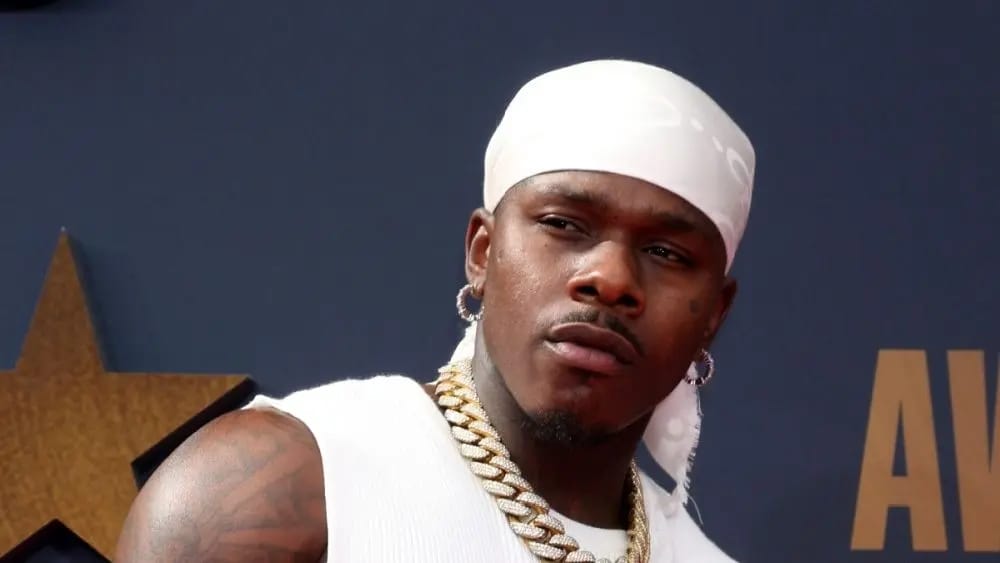
Courtesy:Dababy
DaBaby is at the center of a growing controversy after a Dallas-based artist shared a portrait featuring his daughters online. The artwork, posted on social media, was intended to capture attention and possibly reach the rapper. Instead, it quickly triggered a heated response that has since fueled debate across digital platforms.
The rapper, whose real name is Jonathan Kirk, took issue with the use of his children as subjects. He reacted publicly, expressing frustration over what he viewed as an unauthorized use of his family for online engagement. His response rapidly spread, drawing attention from both fans and critics who weighed in on the situation.
The incident highlights an ongoing tension between public figures and the audiences who engage with them online, especially when personal lives become part of the conversation.
How the situation began
The conflict started when the Dallas artist uploaded the painting to social media. The portrait depicted DaBaby’s daughters and was presented as a creative tribute. The post appeared to be an attempt to gain visibility and recognition from the rapper.
However, the reaction it received was far from what the artist expected. Instead of appreciation, the artwork prompted a firm response that shifted the tone of the interaction.
As the post gained traction, more users began discussing the boundaries between admiration and intrusion, particularly when children are involved.
Dababy’s firm stance on privacy
DaBaby has long maintained a protective approach when it comes to his family. In this instance, he reiterated that his children are not to be included in public content without his consent. His reaction emphasized a clear boundary between his professional life and his role as a parent.
The rapper’s response was direct and left little room for interpretation. He made it clear that he does not support the use of his children’s likeness in fan-created material or social media campaigns.
This is not the first time he has addressed such concerns. Over the years, he has repeatedly shown a willingness to confront situations where he believes his family’s privacy is being compromised.
Reactions and aftermath
Following the backlash, the artist removed the portrait from their social media accounts and issued an apology. The artist explained that the work was meant as a respectful gesture and not an invasion of privacy.
Despite the apology, the situation continued to spark conversation. Some observers argued that the rapper’s response was too intense, especially given the artist’s stated intentions. Others supported his position, noting that public figures should have control over how their children are represented.
Experts in public safety and online behavior have pointed out that statements made in the heat of the moment can carry consequences, particularly when they involve threats or strong language. While no legal action has been reported in this case, the discussion has raised awareness about the risks tied to online disputes.
A broader conversation about boundaries
The incident reflects a larger issue in the age of social media, where fans often feel a closer connection to celebrities than ever before. This closeness can sometimes blur the line between appreciation and overreach.
For celebrities like DaBaby, maintaining privacy for family members, especially children, remains a priority. At the same time, artists and fans continue to explore creative ways to engage with public figures, sometimes without fully considering the implications.
As the conversation unfolds, the situation serves as a reminder of the importance of respecting personal boundaries, even in a highly connected digital world.
Source: HOT 97
About the Author

Praise Swint
Wpseo_editor
Praise Swint is a contributor at Revelence, covering stories across news, entertainment, and culture.