Untold: The Shooting at Hawthorne Hill drops April 21 on Netflix
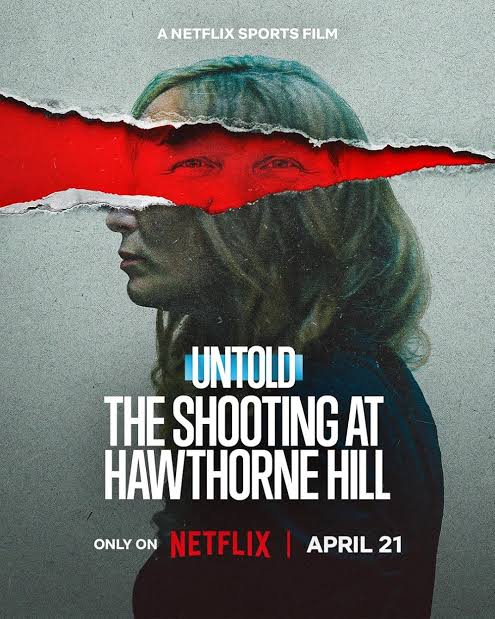
Courtesy;Netflix
Netflix is set to expand its true crime catalog with Untold: The Shooting at Hawthorne Hill, arriving Tuesday, April 21. The documentary revisits a violent case involving former U.S. Olympian Michael Barisone and equestrian student Lauren Kanarek, a dispute that escalated into a shooting and a years-long legal battle.
The film opens with audio from a 911 call capturing panic during the aftermath of the incident, setting the tone for a story that blends personal conflict, criminal charges and courtroom testimony.
A 911 call that sets the stage
The documentary begins with emergency dispatch audio in which a distressed caller reports being shot, immediately pulling viewers into the urgency of the case. The moment establishes the severity of the situation that unfolded on a New Jersey horse farm and frames the investigation that followed.
This opening sets up the central question the film explores: how a professional relationship in the equestrian world collapsed into a violent confrontation that drew national attention.
The case against a former Olympian
At the center of the story is Barisone, a former Olympian who was charged with two counts of attempted murder following the shooting. Prosecutors alleged he shot Kanarek during a dispute at his training facility in 2019, an incident that quickly became a major criminal case in Morris County.
The documentary outlines how the defense prepared to argue that Barisone was not mentally responsible for his actions. That strategy became a key part of the trial, with attorneys presenting psychiatric evaluations suggesting he was experiencing delusional thinking at the time of the incident.
The case drew attention not only because of Barisone’s athletic background but also due to the unusual and highly emotional nature of the dispute that preceded the shooting.
A relationship that turned volatile
Much of the documentary focuses on the breakdown between trainer and student. According to accounts featured in the film, tensions escalated over time, with allegations of harassment, abuse of power and escalating personal conflict.
Kanarek is shown describing a toxic environment marked by intimidation and fear, while the defense narrative suggests Barisone believed he was being threatened and psychologically pressured.
The film presents competing perspectives on what led to the shooting, highlighting how dramatically the relationship deteriorated before the violent confrontation.
Conflicting claims and courtroom drama
As the story progresses, the documentary examines how both sides framed the incident during legal proceedings. Prosecutors characterized the case as a deliberate act of violence, while the defense pointed to mental health struggles and paranoia.
Testimony included claims of threats, emotional distress and escalating tension in the months leading up to the shooting. The courtroom proceedings became a focal point for questions about intent, responsibility and credibility.
The film also features reactions from observers who challenge the defense narrative, creating a sharply divided interpretation of what occurred on the day of the shooting.
A case that still raises questions
Following the trial, Barisone was found not guilty by reason of insanity and committed to a psychiatric facility for treatment and evaluation. The decision added another layer of complexity to an already controversial case, prompting ongoing legal and medical reviews.
The documentary revisits those outcomes while exploring how both individuals involved continue to be affected by the events. It also raises broader questions about how the justice system handles cases involving mental health claims in violent crimes.
Why the story is returning now
With its April 21 release, Untold: The Shooting at Hawthorne Hill revisits a case that continues to generate debate years later. By combining emergency audio, courtroom footage and personal accounts, the documentary reconstructs a conflict that escalated far beyond the equestrian world.
The film aims to give viewers a closer look at how personal disputes, legal arguments and mental health concerns intersected in a case that remains difficult to fully define.
Source: Adapted from Netflix trailer materials
About the Author

Praise Swint
Wpseo_editor
Praise Swint is a contributor at Revelence, covering stories across news, entertainment, and culture.