
A League Two fixture involving Walsall FC was interrupted after an alleged incident of abuse directed at goalkeeper Myles Roberts, prompting renewed calls for stronger action against racism in football.
The match, played against Barrow AFC, briefly came to a halt in the first half when Roberts alerted officials to a comment from the stands. The goalkeeper then identified the individual he believed was responsible, leading to intervention from match officials and stadium staff.
The situation has since sparked broader discussion about how such incidents are handled during live games and whether current protocols are sufficient to protect players.
Darren Byfield pushes for stronger response
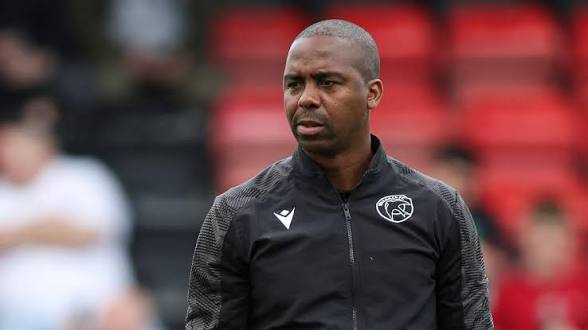
Interim head coach Darren Byfield did not hold back in expressing frustration over how the situation was initially addressed. He indicated that the response from officials did not match the seriousness of the allegation at the time it was raised.
Byfield explained that early communication from the referee suggested the remark was not classified as racist, a response that left him concerned about how the issue was being interpreted on the pitch. The coach emphasized that such moments require immediate clarity and decisive action to support affected players.
The incident placed Byfield in a difficult position during the game, as he sought to balance managing his team with advocating for his player. His reaction afterward reflected a belief that stronger and more consistent measures are needed across the sport.
Incident leads to action inside the stadium
Following the report from Roberts, the supporter identified during the exchange was removed from the ground. Stadium officials also issued a reminder over the public address system reinforcing a zero-tolerance stance on discrimination.
While these steps signaled an effort to address the situation, the sequence of events raised questions about timing and communication. For Byfield and others, the concern was not only about what action was taken but also how quickly and clearly it was enforced.
The interruption itself demonstrated how incidents involving alleged abuse can disrupt the flow of a match and shift focus away from the game to player welfare and safety.
Impact on players and the wider game
Byfield highlighted the emotional toll such situations can have on players, noting that incidents of abuse go beyond isolated moments and can affect confidence, concentration and overall well-being.
The case involving Roberts reflects a broader challenge facing football at all levels. Despite ongoing campaigns and policies aimed at eliminating discrimination, episodes like this continue to surface, raising concerns about whether enough progress has been made.
The visibility of these incidents, particularly when they occur during competitive matches, adds pressure on governing bodies and clubs to demonstrate accountability and enforce existing rules more effectively.
Ongoing calls for change in football
The episode has added to a growing number of cases that underline the need for continued reform in how football handles allegations of racism. From grassroots levels to professional leagues, there is increasing demand for clearer procedures, faster responses and stronger consequences for offenders.
Byfield’s stance reflects a wider sentiment within the sport that addressing racism requires more than policy statements. It calls for consistent action that prioritizes player safety and sends a clear message about acceptable behavior in stadiums.
As discussions continue, incidents like the one involving Roberts serve as a reminder that the issue remains unresolved and that further steps may be necessary to create lasting change.
source: Adapted from BBC Sport reporting
About the Author