Photo by NOAA on Unsplash

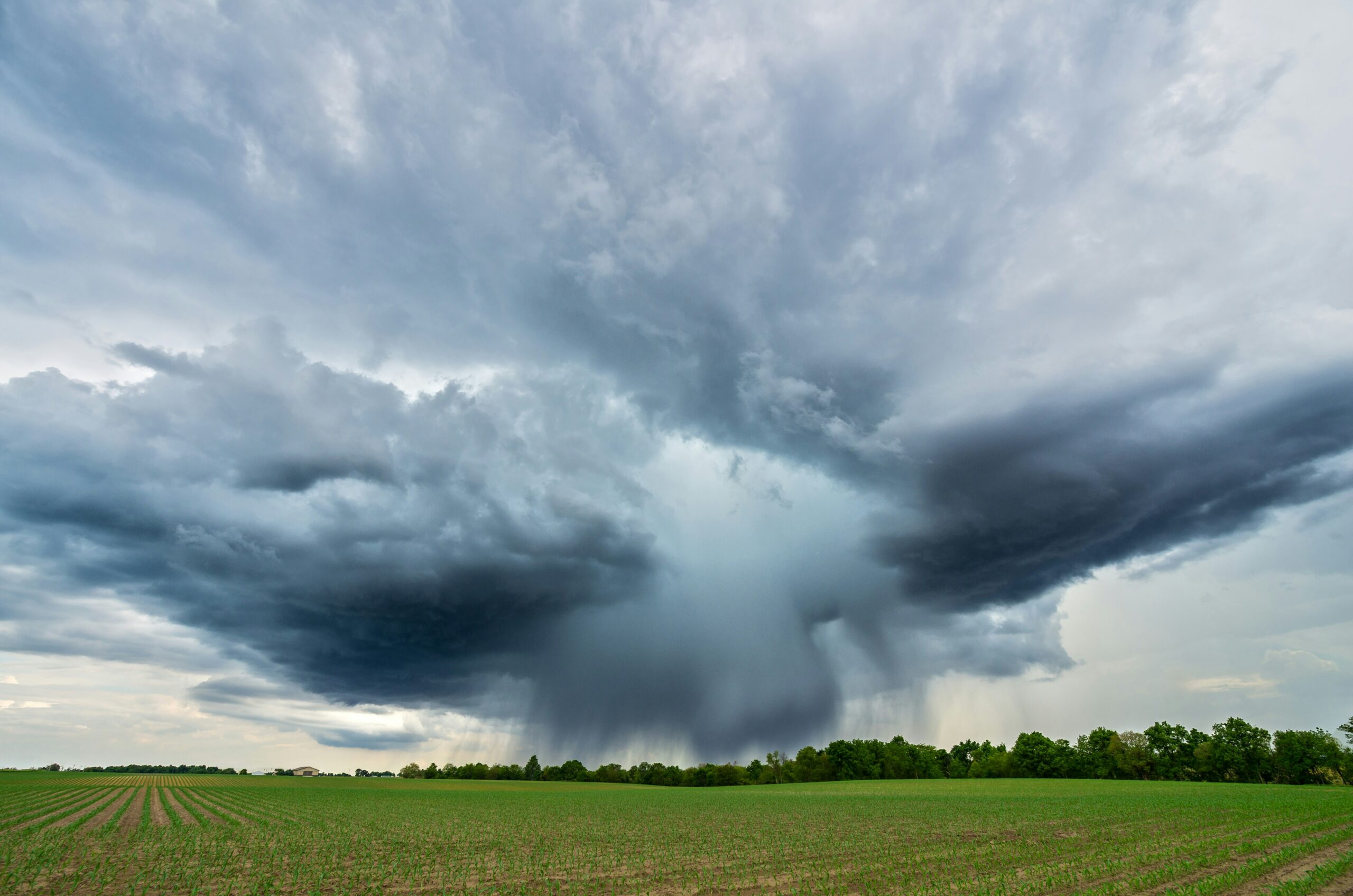
A tornado warning Michigan Thumb alert went into effect on Sunday, May 17, 2026, as a dangerous band of severe thunderstorms pushed through parts of Lower Michigan. Moreover, meteorologists confirmed that the storm system moved quickly through the region, bringing threats of high winds, large hail, and possible tornado activity. Furthermore, live coverage of the developing situation began immediately as the storms intensified.
The National Weather Service issued the warning after radar indicated rotation and conditions favorable for tornado development across the Thumb area. Consequently, residents in affected communities were urged to seek shelter immediately. Additionally, emergency alerts went out across multiple counties as the storm system continued tracking through the region.
What the storm system brought
The severe thunderstorm complex that triggered the tornado warning in Michigan’s Thumb arrived on Sunday evening. It moved through part of Lower Michigan with speed and intensity that caught the attention of meteorologists across the state. Moreover, the storm produced conditions serious enough to require active live coverage and immediate public warnings.
Residents across the Thumb area reported strong winds and heavy rainfall as the system moved through. Furthermore, lightning and hail accompanied the most intense parts of the storm band. Consequently, local emergency management agencies monitored the situation closely throughout the afternoon and evening hours.
Live video coverage of the storms began streaming in real time as the warning was issued. Additionally, meteorologist Mark Torregrossa of MLive provided ongoing updates throughout the event. His coverage tracked the storm’s movement and offered residents in the path of the system the latest available information.
How to stay safe during a tornado warning
A tornado warning means a tornado has either been spotted or indicated by radar. It requires immediate action from anyone in the affected area. Moreover, knowing exactly what to do when a warning is issued can be the difference between safety and serious injury.
During a tornado warning, residents should take the following steps immediately:
- Move to the lowest floor of a sturdy building right away
- Stay away from all windows and exterior walls
- Get under a staircase or heavy furniture if no basement is available
- Do not attempt to outrun a tornado in a vehicle
- Stay inside until authorities confirm the warning has expired
Furthermore, mobile homes and vehicles offer almost no protection during a tornado. Consequently, anyone in either should abandon them immediately and find a solid structure or low-lying ditch away from trees and cars.
Michigan’s history with severe spring weather
Spring severe weather is not uncommon across Lower Michigan and the Thumb region. The area sits in a geographic zone that experiences regular thunderstorm activity from late April through early June each year. Moreover, the Thumb’s flat landscape and proximity to Lake Huron can intensify storm systems moving through the region.
Michigan averages between 15 and 20 confirmed tornadoes per year. However, many tornado warnings do not result in confirmed touchdowns. Nevertheless, every warning demands full public compliance because the risk of an unconfirmed funnel touching down without notice is real.
The National Weather Service’s Detroit office covers most of Lower Michigan’s severe weather alerts. Additionally, the Gaylord office handles the northern Lower Peninsula and parts of the Thumb. Therefore, residents across the region should have multiple reliable alert sources active during any active storm watch period.
Source: MLive / Mark Torregrossa, May 17, 2026
About the Author