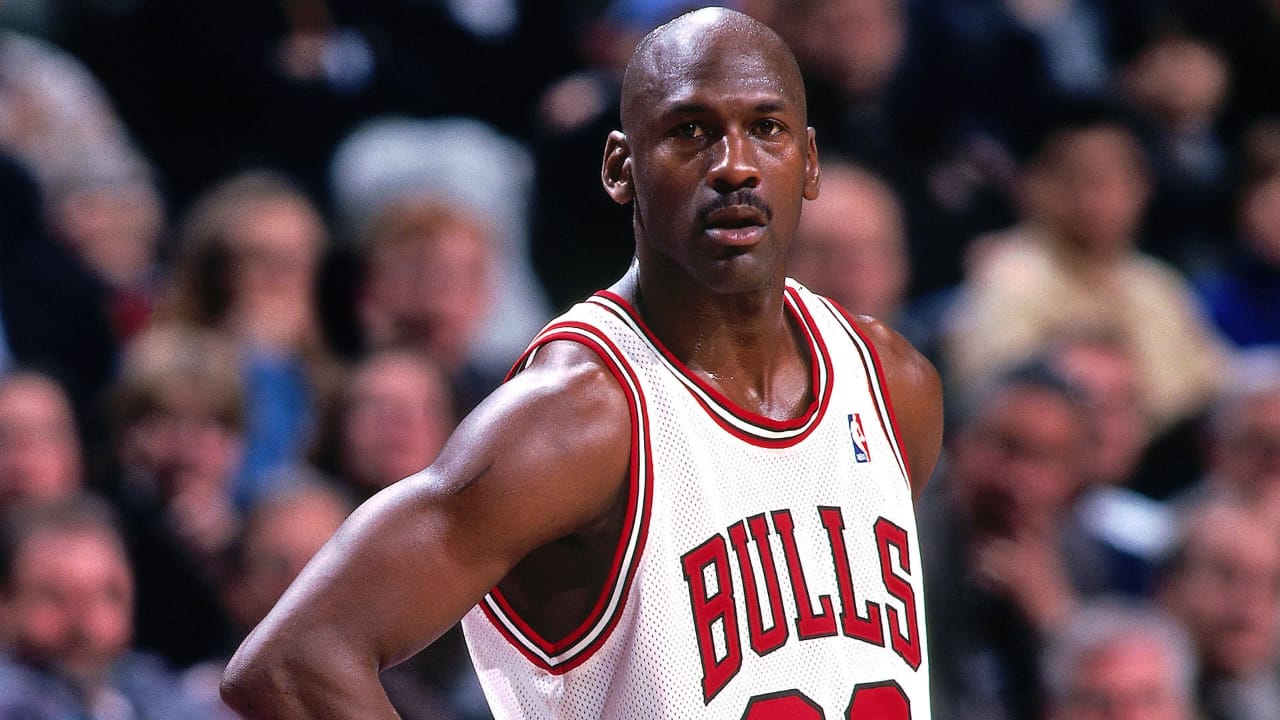
Courtesy:NBA
Michael Jordan private philanthropy has been a subject of debate for decades. The six-time NBA champion has faced repeated public criticism for not visibly showcasing his charitable work. However, Jordan has consistently defended his approach. Moreover, he argues that effective giving does not require media coverage to be meaningful or impactful.
Jordan told the Basketball Network that the criticism is simply inaccurate. He said he does give back to the community and always has. Furthermore, he pushed back directly against the idea that public visibility is the measure of genuine generosity. Consequently, his response reframes the conversation around what philanthropy actually looks like when it is driven by purpose rather than perception.
The debate goes back decades
The criticism of Michael Jordan’s charitable approach is not new. During a widely cited 1992 Playboy magazine interview, critics openly questioned his identity and the depth of his community involvement. Moreover, that conversation shaped a public narrative about Jordan that followed him well beyond his playing days.
Despite years of backlash, Jordan maintained his low-profile approach throughout his career and into retirement. Furthermore, he repeatedly asserted that his commitment to community should not be measured through the frequency of his press appearances or social media posts. Additionally, he argued that actions matter far more than words when it comes to making a real difference in people’s lives.
His position reflects a broader debate in celebrity philanthropy about the relationship between visibility and impact. Moreover, it raises a fair question about whether public charitable giving benefits the cause or the giver’s reputation more. Consequently, Jordan’s private approach represents a deliberate and considered philosophy rather than neglect.
What Michael Jordan’s philanthropy actually includes
The record of Michael Jordan private philanthropy is more extensive than his public profile suggests. He served as Chief Wish Ambassador for the Make-A-Wish Foundation, helping grant hundreds of wishes and raising over five million dollars in the process. Moreover, that role placed him at the center of some of the most meaningful individual moments the foundation has created for seriously ill children and their families.
Beyond Make-A-Wish, Jordan provides financial support to 23 charities across the Chicago area. Furthermore, those organizations include youth development programs and food banks that serve communities in genuine need. Additionally, he has spoken publicly about racial tensions and police violence, using his platform to address systemic issues rather than simply writing checks.
The breadth of his giving across youth development, hunger relief, and racial justice causes tells a story that rarely makes headlines. Consequently, much of what Jordan has actually done for communities over the years has gone unnoticed precisely because he chose not to announce it.
Why Jordan’s approach challenges how we measure generosity
The debate around Michael Jordan private philanthropy touches something important about how society evaluates celebrity giving. Public charitable announcements generate media coverage, social media engagement, and reputational benefits for the donor. Moreover, the pressure on public figures to perform their generosity has grown significantly in the social media era.
Jordan has resisted that pressure throughout his career. Furthermore, his argument is straightforward. The benefit to the people receiving help is the same whether a camera is present or not. Additionally, he suggests that seeking publicity from charitable acts changes the nature of the act itself.
Source: The News International
About the Author