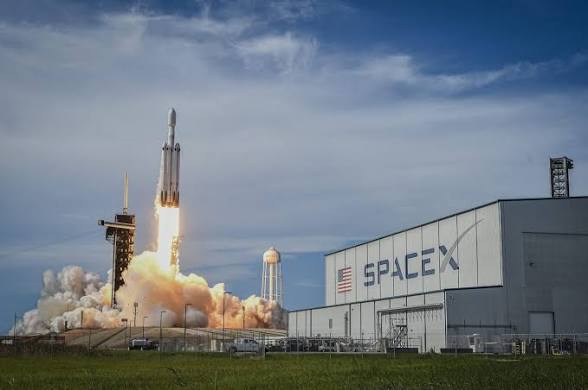

The SpaceX IPO June 12 date is no longer a rumor. Insiders have leaked that the decision to take the company public has been made and the trigger will be pulled on that date. Moreover, SpaceX is aiming to raise $80 billion in the offering. Furthermore, the targeted valuation sits north of $1.75 trillion, with some analysts speculating the final figure could push closer to $2 trillion.
A $2 trillion valuation would place SpaceX on par with Tesla, which trades on the Nasdaq under the ticker TSLA. Consequently, the SpaceX IPO would rank among the largest public offerings in financial history. Additionally, demand for the stock is expected to be extremely high on the first day of trading, potentially driving the share price well above the IPO price.
What history tells us about IPO performance
IPO outcomes are notoriously unpredictable. Some stocks surge on their first day of trading. During the dot-com era, some companies doubled in price within hours of opening. Moreover, more recent IPOs have seen gains of 50% or more on day one. However, history also contains clear cautionary examples that investors should keep in mind.
Facebook went public in 2012 at an IPO price of $38 per share. By later that year, the stock had dropped to $18. Analysts at Wharton noted at the time that investors struggled to properly value the company’s nearly one billion users. Consequently, the stock suffered before eventually staging a long-term recovery that turned founder Mark Zuckerberg into one of the wealthiest people in the world.
SpaceX faces a similar valuation challenge. Furthermore, investors will need to form views on what the rocket market will look like one year, two years, and three years from now. Additionally, competition is growing. Jeff Bezos’s Blue Origin is working to launch a viable rocket of its own, and several other companies are attempting to enter the space launch market. Therefore, the long-term competitive landscape remains uncertain even as short-term excitement peaks.
The xAI complication investors need to understand
The SpaceX IPO June 12 does not arrive in isolation. When X, formerly Twitter, and xAI merged with SpaceX, the combined entity carried a valuation of $250 billion. Moreover, that merger means investors in the SpaceX public offering are also taking on exposure to both the social media platform and the artificial intelligence arm.
That creates a more complex investment picture than a pure-play rocket company would offer. X has reportedly lost money since Elon Musk acquired it, raising questions about the health of that part of the combined business. Furthermore, xAI operates in one of the most competitive markets in technology, going up against OpenAI, Meta, Amazon, and a growing list of other well-funded artificial intelligence competitors.
Consequently, investors will need to assess whether SpaceX’s rocket business can carry the weight of those adjacent assets. Additionally, the potential for SpaceX to launch satellite artificial intelligence data centers is a longer-term opportunity that analysts are watching closely. However, that opportunity remains speculative rather than proven at this stage.
What this means for Elon Musk and the broader market
Elon Musk’s current net worth sits at approximately $680 billion, placing him well ahead of Mark Zuckerberg’s estimated $218 billion. However, the SpaceX IPO June 12 outcome could shift those numbers significantly in either direction depending on how the market values the company in its first weeks of trading.
Moreover, the offering will test investor appetite for large-cap tech and space stocks at a time when market volatility remains a consideration. The Russell 2000 has seen recent declines while the S&P 500 holds relatively steady. Consequently, the SpaceX IPO arrives in a market environment that demands careful evaluation rather than pure enthusiasm.
Source: Yahoo Finance / 247WallSt
About the Author