Image by PWLPL from Pixabay
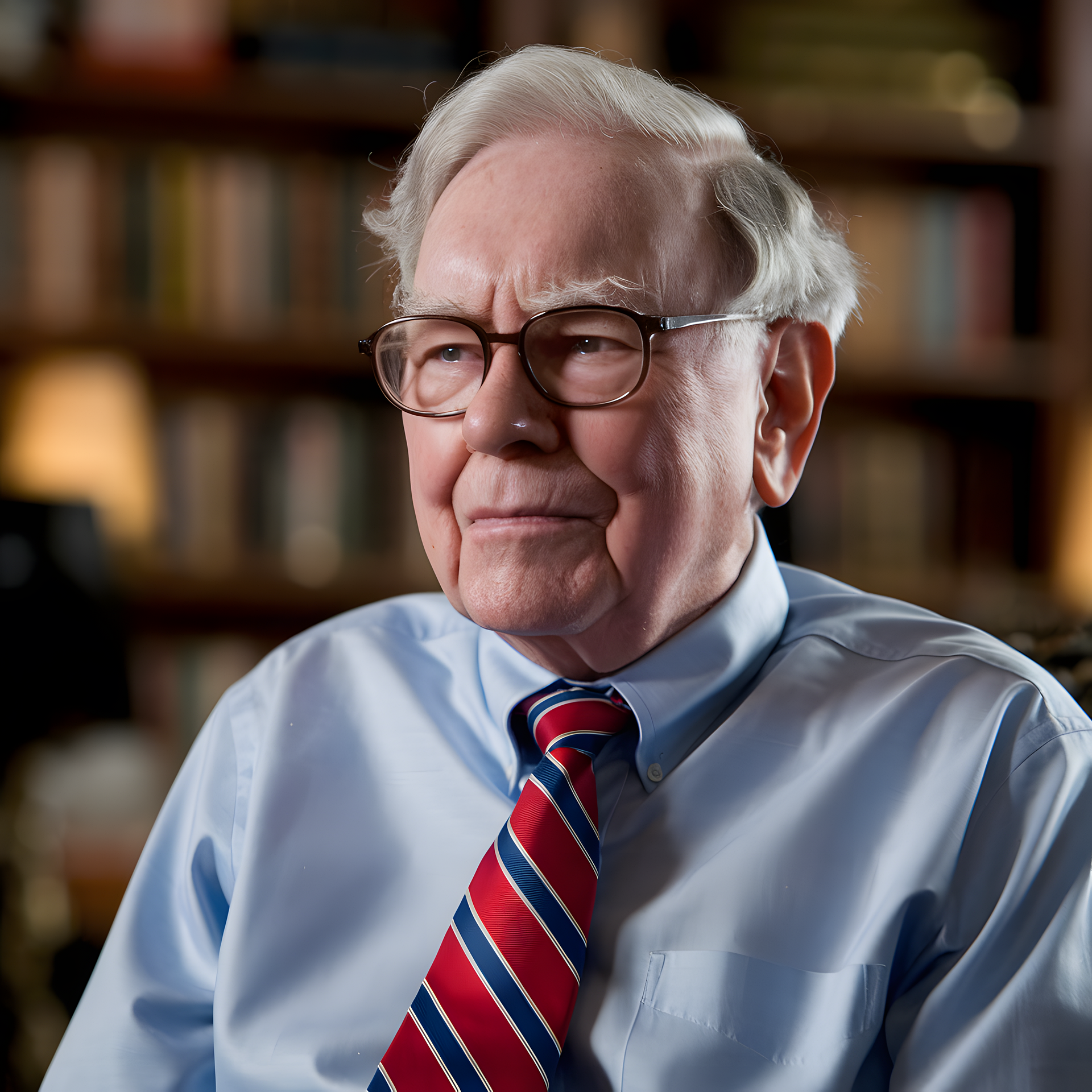
Warren Buffett has never been shy about sharing his views on market behavior. His latest assessment, however, carries particular weight. Speaking during Berkshire Hathaway’s annual meeting weekend in a CNBC interview, the legendary investor delivered an 11-word warning that has since reverberated across Wall Street.
Those 11 words were direct and unambiguous. Buffett stated that Americans have never been in a more gambling mood than right now. That single sentence encapsulates a behavioral concern he has been signaling through his actions for months. It arrives at a moment when the data behind his caution is impossible to ignore.
The market conditions prompting the warning
The timing of Buffett’s comments is not coincidental. Several indicators have converged to create conditions that historically precede significant market corrections. Bullish sentiment among individual investors plunged 13.6 percentage points to 31.4% in the American Association of Individual Investors’ July 2 survey. Bearish sentiment climbed to 42.3%. CNN’s Fear and Greed Index spent most of June firmly in the fear zone. Both measures suggest that even as stock prices remain elevated, confidence among ordinary investors is fracturing.
Buffett compared the stock market to a church with a casino bolted to its side. That image frames the problem elegantly. The market’s foundational purpose is capital allocation and long-term wealth creation. What Buffett sees dominating the current moment is short-term speculation driven by momentum rather than fundamentals.
His favorite valuation indicator just hit a record
The metric at the center of Buffett’s concern is a ratio he introduced in a 2001 Fortune magazine essay. Analysts now call it the Buffett indicator. It divides the total market value of all publicly traded U.S. stocks by gross domestic product. The result measures whether equity prices have outpaced actual economic output.
In that original essay, Buffett warned that a reading approaching 200% was playing with fire. The dot-com era briefly crossed that threshold in 1999 and 2000. The indicator now sits at 233%. That is the highest reading ever recorded. It sits well beyond the level Buffett identified as dangerous a quarter century ago. Furthermore, the cyclically adjusted price-to-earnings ratio stood at 41.60 as of July 2, 2026. Analysts had previously seen that level only during the dot-com bubble.
Together, those 2 readings paint a picture of a market priced for perfection in an environment where perfection is far from guaranteed.
Berkshire’s record cash position speaks louder than words
Buffett’s verbal warning comes reinforced by a significant action. Berkshire Hathaway ended the first quarter of 2026 with $397.4 billion in cash and Treasury bills. That is the largest liquidity position in the company’s history. It reflects a deliberate decision to hold capital rather than deploy it at current market prices.
Buffett stepped down as chief executive at the close of 2025. He left Greg Abel to lead Berkshire with that record cash position in hand. At the May 2026 shareholder meeting, Abel described the reserves as both a defensive shield and a tool for future opportunities. The philosophy behind it is simple. Patience during periods of market euphoria preserves capital for deployment during genuine distress. Buffett invested $5 billion in Goldman Sachs during the 2008 financial crisis on terms only available in a panic. That record cash now positions Berkshire to repeat exactly that kind of move.
What history says about markets at these valuations
The dot-com era provides the clearest historical parallel. During the late 1990s, hundreds of technology companies saw stock prices surge on hype rather than revenue or earnings. When the Buffett indicator topped 200% and the bubble burst, the S&P 500 needed more than seven years to recover its previous peak. Many companies caught up in the speculation did not survive at all.
A similar pattern played out after the indicator topped 200% again in late 2021. Growth stocks with stretched valuations experienced the steepest declines. The companies that held up were those with durable competitive advantages, genuine cash flows and disciplined management teams focused on long-term value.
What this means for long-term investors
None of this predicts an imminent crash. Buffett himself consistently acknowledges that nobody can time the market in the short term. The S&P 500 has delivered total returns above 758% over the past 20 years. Disciplined long-term investors have been well rewarded for staying the course through volatility. The concern is not with equity ownership itself. It centers on portfolio concentration in stocks trading on momentum rather than earnings and competitive resilience.
The message at the heart of Buffett’s 11 words is one he has repeated across decades. Entry price shapes long-term returns. Speculative bursts historically precede corrections. Investors who preserve capital during periods of extreme optimism can act decisively when genuine opportunity arrives.
This article is for informational purposes only and does not constitute financial advice or a recommendation to buy or sell any security.
Source: TheStreet
About the Author