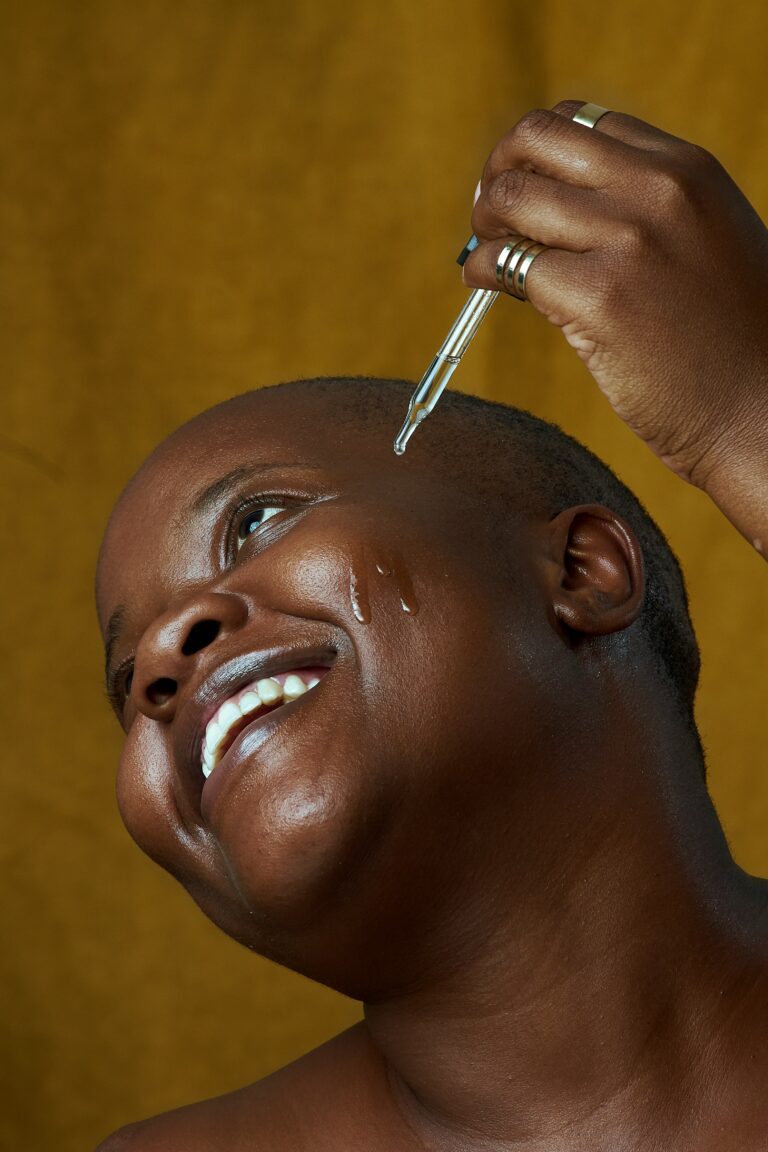
Photo by Audrey M Jackson on Unsplash
As women enter their 40s, many notice their trusted skincare routines no longer deliver the same results. Skin may feel thinner, drier or less firm, while favorite serums seem to sit on the surface instead of absorbing properly. According to dermatologists, the biggest reason may not simply be age but the hormonal changes that occur during perimenopause.
Experts say fluctuating estrogen levels and elevated cortisol can accelerate collagen loss, weaken the skin barrier and contribute to premature signs of aging. Understanding these changes can help women adjust their skincare routines and maintain healthier skin.
Hormonal changes reshape the skin after 40
Perimenopause typically begins between the ages of 35 and 45, bringing hormonal fluctuations that affect nearly every part of the body, including the skin.
Dr. Michelle Sands, naturopathic doctor and author of Hormone Harmony Over 35, says estrogen plays a vital role in maintaining collagen, hydration and skin elasticity. As estrogen declines, women may notice thinner skin, increased dryness, reduced firmness and changes in pigmentation.
Although Black women generally have higher collagen density and melanin levels that delay visible wrinkles, they still experience hormone-related skin changes.
Experts also point to age-related muscle and bone loss as another contributor to sagging skin. As facial structure changes over time, the skin loses some of the support that helps it remain firm.
Cortisol can speed up visible skin aging
Cortisol is often called the body’s primary stress hormone, but doctors emphasize that it serves important functions. It helps regulate metabolism, immune function, blood sugar and the body’s response to stress.
Problems arise when cortisol remains elevated for extended periods.
According to Sands, chronic stress combined with perimenopausal hormonal changes can reduce collagen production, slow skin repair, increase inflammation and impair wound healing. Those effects may leave the skin looking dull while making it more prone to dryness and premature aging.
Hormonal changes during perimenopause may also make the body more sensitive to cortisol, increasing its impact on skin health.
What is the “cortisol block”?
Despite its growing popularity on social media, the phrase “cortisol block” is not a recognized medical term.
Experts say cortisol should not be completely blocked because the hormone is essential for normal body functions.
Instead, doctors recommend managing stress naturally through healthy habits, including:
- Getting consistent, quality sleep
- Exercising regularly
- Eating balanced, nutrient-rich meals
- Maintaining healthy blood sugar levels
- Speaking with a healthcare provider about hormonal changes
These lifestyle habits may help regulate cortisol levels while supporting overall skin health.
Retinol and vitamin C still have benefits
Many women rely on retinol and vitamin C to improve signs of aging, but dermatologists caution that menopausal skin often requires extra care.
Dr. Tiffany Libby, a board-certified dermatologist, recommends strengthening the skin barrier before introducing powerful active ingredients.
She suggests using gentle cleansers and moisturizing products that contain ingredients such as:
- Ceramides
- Hyaluronic acid
- Niacinamide
Daily sunscreen also remains one of the most important anti-aging products. Once the skin barrier becomes healthier, low-dose retinoids can often be added gradually if tolerated.
Why skincare routines may need to change
A skincare routine that worked for years may no longer meet the skin’s changing needs during perimenopause.
Experts say many women continue using products designed for younger skin instead of addressing hormone-related dryness, thinning and collagen loss.
Rather than viewing these changes as a skincare failure, dermatologists encourage women to recognize them as a normal part of aging and adjust their routines accordingly.
Matching skincare to hormonal changes
Because the skin responds to hormonal fluctuations, some experts recommend adapting skincare routines throughout different stages of the menstrual cycle and perimenopause.
When estrogen levels are higher, skin often appears more hydrated and resilient. As estrogen drops, barrier-supporting ingredients and richer moisturizers become more important.
During periods of increased oil production or breakouts, clarifying products may help. When inflammation or irritation develops, calming and hydrating ingredients can better support the skin.
Dermatologists say tailoring skincare to hormonal changes may provide better long-term results than following the same routine every day.
Barrier support becomes the priority
While collagen-boosting products remain valuable, experts agree that protecting the skin barrier should come first during perimenopause.
Gentle cleansing, daily moisturization, consistent sun protection and stress management can help minimize many of the skin changes associated with hormonal shifts.
By understanding how estrogen and cortisol influence the skin, women can make informed adjustments that support healthier, stronger skin throughout perimenopause and beyond.
Source: ESSENCE
About the Author

Praise Swint
Wpseo_editor
Praise Swint is a contributor at Revelence, covering stories across news, entertainment, and culture.