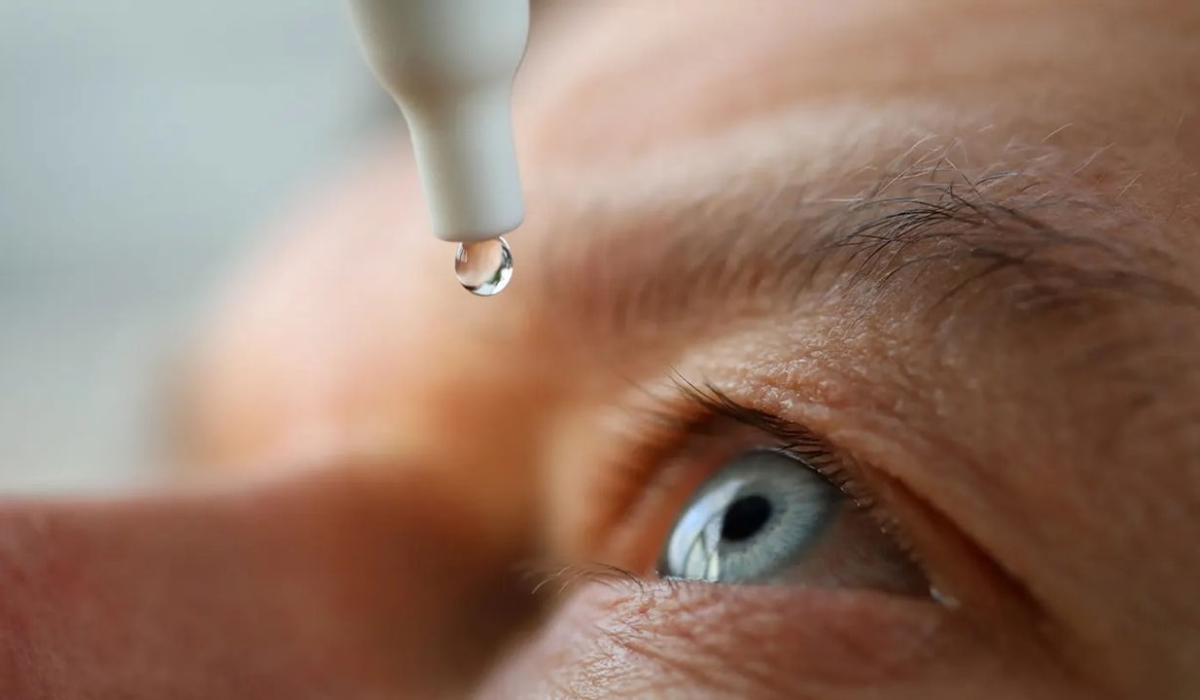
Photo credit: Eye drop (X)
Nearly 12 million bottles of Rohto Cooling Eye Drops have been recalled nationwide due to concerns about sterility. The Vietnam-based manufacturer, Rohto-Mentholatum, initiated the voluntary recall after identifying a lack of assurance of sterility, a manufacturing issue that means the product cannot be guaranteed free from potentially harmful microbes.
The recall affects a total of 11,960,623 cartons distributed across the country. The FDA classified it as a Class II recall, meaning the affected products may cause temporary or reversible health effects, though serious consequences are considered unlikely.
Which Rohto products fall under this recall
The recall covers eight varieties of Rohto Cooling Eye Drops sold in both single and twin packs. Those include All-in-One, Max Strength, Max Strength Twin Pack, Optic Glow, Digi Eye, Dry Aid, Dry Aid Twin Pack and Cool Relief. Affected expiration dates range broadly, spanning from July 2026 all the way through February 2029.
Rohto-Mentholatum manufactured the drops in Vietnam, while The Mentholatum Company of Orchard Park, New York, distributed them throughout the United States. Given the wide range of lot numbers and expiration dates involved, customers are encouraged to check their specific bottle against the FDA’s published list rather than assume their product falls outside the recall.
What to do if you have recalled eye drops
The FDA recommends that anyone with an affected lot number stop using the product immediately. Customers can either dispose of the eye drops safely or return them to their original place of purchase for a full refund.
Anyone experiencing irritation, discomfort or other symptoms after using the recalled drops should seek medical attention promptly. For additional questions about the recall, the FDA can be reached directly at 1-888-INFO-FDA.
Why sterility recalls matter for eye care products
Eye drops carry a higher risk profile than many other over-the-counter products, since they come into direct contact with a sensitive area of the body. A lack of assured sterility means bacteria or other microbes could potentially enter the eye, raising the risk of infection or irritation even when the packaging appears undamaged.
Given the sheer number of affected lots and the wide window of expiration dates involved, health officials are urging widespread caution rather than assuming only a small batch is affected. Anyone using Rohto Cooling Eye Drops for redness, dryness or eye strain should check their bottle’s lot number against the FDA’s full recall list before continuing use.
About the Author